Logo
Get Estimate

Water Intrusion and Leak Assessment Henderson NV

Find the water source and map affected building materials


Water Intrusion and Leak Assessment Henderson NV helps homeowners, buyers, and property managers locate unwanted water and understand what it has affected. We inspect roof, plumbing, window, and building-envelope concerns, then document moisture findings so you can plan the right repair. For water intrusion and leak assessment in Henderson, Nevada, we focus on the source and the wet materials-not guesswork-especially after a storm, an unexplained stain, or a persistent musty odor.

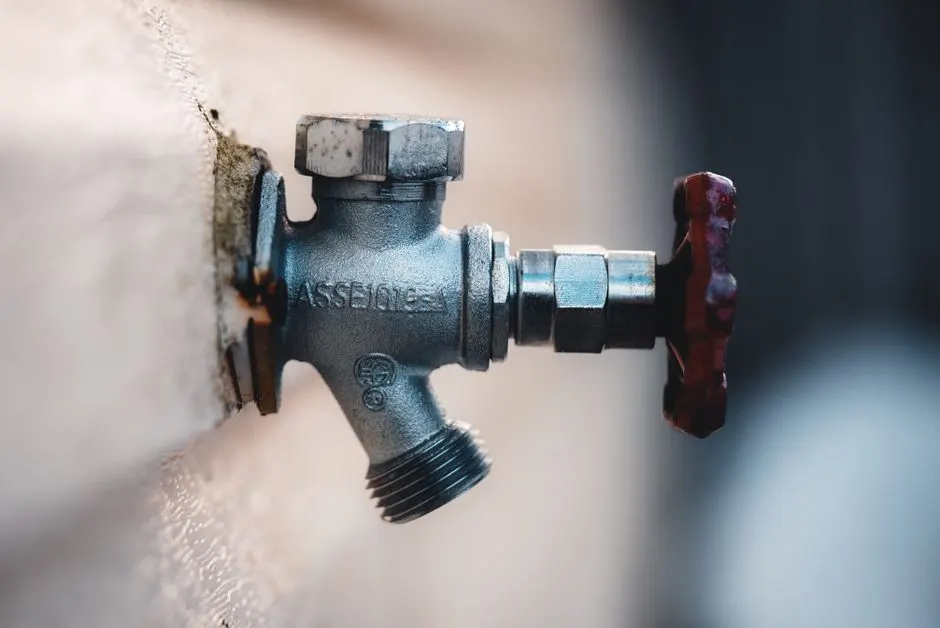
Detailed close-up of a metal faucet mounted on an exterior wall with visible textures.
Licensed Licensed & Bonded
Fully Insured Insured & Bonded
24/7 Emergency Same-Day Response
Warranty Backed Workmanship Guaranteed in Henderson

What the Assessment Covers

Water Intrusion and Leak Assessment covers a symptom review, visual inspection of accessible water-entry routes, moisture measurements, and a clear explanation of findings. We document observed conditions and point out materials that need repair-side attention. Plumbing repairs, roof repairs, destructive openings, drying, and laboratory mold analysis are separate services because they require different work and answer different questions. If testing is useful, we explain why before recommending it.

Symptom and Source Review

We record where water appeared, when it happens, and what changed before the symptom began. Then we check nearby fixtures, roof or window transitions, HVAC equipment, and accessible exterior clues to build a practical inspection path.

Moisture Readings

We use comparative readings on affected and nearby surfaces to identify areas that warrant attention. The inspection notes locations and material context; readings are indicators, not a standalone diagnosis of the water source or a guarantee about concealed spaces.

Accessible Cavity Checks

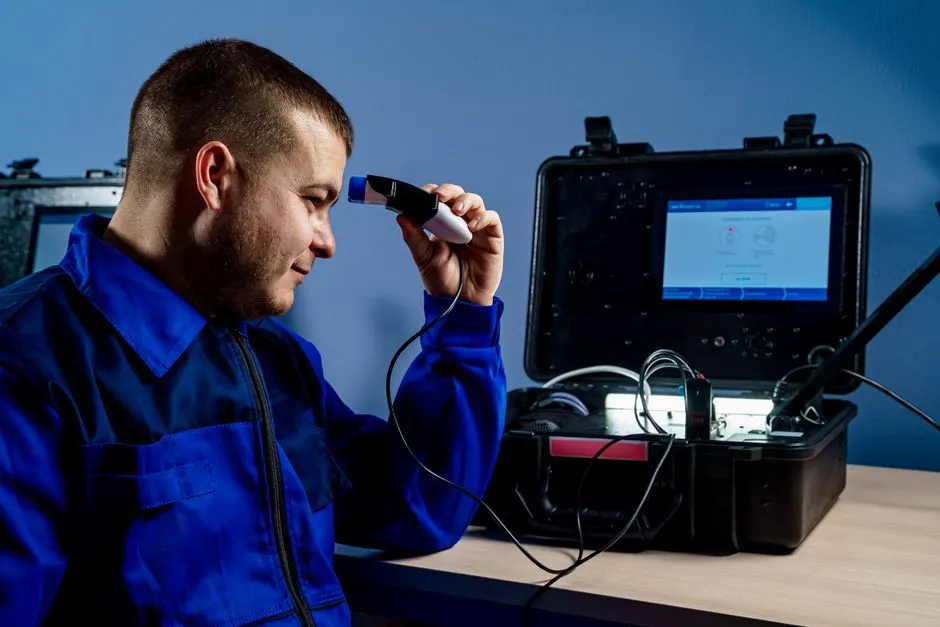
Where an existing opening allows, a borescope can show visible cavity conditions without removing finished materials. We describe what is visible and what remains concealed, so you understand whether additional access is needed for a firm conclusion.

Findings and Next Steps

We explain likely entry paths, affected materials, and the trade best suited to repair the source. When moisture or persistent odor raises a separate microbial question, we outline whether mold inspection or sampling would help answer it.

Water Intrusion and Leak Assessment Henderson NV


Water Intrusion and Leak Assessment Henderson NV is a building moisture investigation that identifies likely water entry paths, maps affected materials, and documents conditions that need repair or further testing. We begin with your reported symptoms and inspect accessible areas, including ceilings, walls, floors, plumbing fixtures, and roof-adjacent spaces. A pinless moisture meter checks broad surfaces without puncturing them; a pin-type meter verifies readings at selected points. An infrared thermal camera helps locate temperature patterns that warrant closer moisture checks. The readings guide the investigation, but thermal images alone do not prove water is present.

Henderson homes face more than one leak pattern: roof leak moisture intrusion after a wind-driven storm, plumbing leak moisture intrusion behind a vanity, or condensation-related mold near an HVAC register. Hot, dry outdoor conditions can mask a slow indoor leak until drywall swells, flooring cups, or an odor develops. If you are searching for water intrusion and leak assessment Henderson NV near me, we trace visible clues to a likely source, check adjacent materials, and explain when a licensed plumber or roofer should make the repair.

What to Expect During Inspection

Water intrusion and leak assessment in Henderson follows a practical sequence: understand the symptom, inspect the likely route, measure affected materials, and report what the evidence supports. We explain each step before entering the work area, and you can point out when the stain appears or which fixtures were recently used.

01

Schedule

Call or book online — a real human picks up and confirms a 2-hour arrival window.

02

Diagnose

Licensed tech inspects on-site, then walks you through the cause and your options.

03

Fix

The job is completed to code and done right the first time — no shortcuts, no surprises.

04

Guarantee

Every job backed by a written workmanship warranty — and we stand behind it.

Tools and Inspection Methods

Tools & Equipment

Pinless moisture meter

Screens broad, non-invasive areas of drywall, wood, or flooring for comparative moisture patterns. We check the reading against nearby reference points and confirm important findings with another method.

Pin-type moisture meter

Measures moisture at selected points in compatible materials through small probe contact. We use it to check a suspicious area more directly after a broad scan indicates a difference.

Infrared thermal camera

Shows surface temperature patterns that can guide follow-up inspection around suspected water paths. It cannot confirm moisture by itself, so we pair thermal clues with direct readings and visual checks.

Borescope

Views accessible wall or cabinet cavities through an existing opening. It helps us describe visible conditions without assuming that a small view represents every part of a concealed assembly.

Air-O-Cell spore trap cassette

Collects an air sample when a separate airborne mold question is justified after the moisture investigation. Sampling is not a substitute for locating or correcting the leak.

Methods & Standards

Comparative moisture mapping

We record readings in the reported wet area and compare them with nearby materials of similar type. This provides context for each result and helps outline where further checks are warranted. Readings depend on material, access, and instrument limits, so we interpret patterns rather than relying on a single number.

Water-path tracing

We work backward from the indoor symptom through plausible routes such as plumbing connections, roof transitions, windows, and HVAC condensate. The inspection considers gravity and building layout, then tests accessible points along the route. A licensed repair trade performs pressure tests or repairs that fall outside an assessment.

Targeted microbial sampling

If visible conditions or persistent odor raise a defined mold question, we discuss a sample plan separate from leak diagnosis. Depending on the question, collection may use a spore trap cassette or sterile swabs, with samples sent to an analytical laboratory. Results are interpreted alongside moisture and building observations.

When to Schedule an Assessment

01

A roof stain appears after a late-autumn storm in Green Valley, but the attic looks dry from the access hatch.

What we do: We inspect the stain, nearby ceiling materials, and accessible attic surfaces, then compare readings around the visible mark. If the likely path is concealed, we document what is known and identify the roof detail a roofer should inspect rather than treating a dry hatch area as proof there is no leak.

→ You get a focused repair lead and a record of which interior materials need a follow-up reading after the roof work.

02

A water heater pan in a Seven Hills home has water, but the source is unclear and the surrounding floor feels cool.

What we do: We check the pan, nearby connections, wall and floor materials, and any accessible route toward the water heater. We use direct readings to distinguish a wet material from a temperature pattern and direct you to a plumber if the source appears to be a fitting, tank, or supply line.

→ You can address the suspected plumbing source quickly and know whether water reached surrounding finishes.

03

A Lake Las Vegas property shows a recurring window-wall stain after wind-driven rain and a fresh coat of paint.

What we do: We assess the interior stain, window perimeter, adjacent wall, and accessible exterior clues. Moisture mapping helps establish whether the affected area extends beyond the repainted section. We document suspected entry points for the appropriate window or exterior contractor to review.

→ You have a clearer picture of the affected wall and a practical basis for checking the repair before repainting again.

04

A commercial tenant in Green Valley reports a musty smell under a ceiling with recent HVAC condensation.

What we do: We inspect accessible ceiling materials and HVAC-adjacent surfaces, then compare moisture readings across the reported area. We separate condensation clues from possible roof or plumbing paths and note whether targeted microbial testing should follow once the moisture source is controlled.

→ Your property team receives a defined next step for maintenance, source repair, and any justified indoor evaluation.

How Leak Assessments Work in Henderson

Water Intrusion and Leak Assessment in Henderson accounts for a desert climate that can dry exposed surfaces quickly while leaving moisture trapped behind paint, flooring, or insulation. Summer heat and strong sun can make an exterior wall warm; an infrared camera helps find temperature differences but does not prove a leak. We confirm suspected areas with direct moisture checks. During the cooler, stormier months, wind-driven rain can test roof edges, window joints, and exterior penetrations. Slab-adjacent plumbing and water-heater connections also deserve attention when a floor edge or cabinet remains damp. Our water leak investigation Henderson NV follows the symptom through accessible building materials and records the locations that need repair-side review. If you need a leak damage evaluation for a Henderson home, we can compare the visible stain with surrounding readings and explain what remains concealed. Henderson properties range from established homes to newer subdivisions and multi-unit buildings, so access, finish materials, and shared plumbing routes vary. We serve Clark County and coordinate findings with the trade responsible for repairs; we do not present an inspection as a plumbing or roofing repair.

Neighborhoods We Serve

  • Green Valley

    After wind-driven rain, we check whether a ceiling or window-wall stain aligns with accessible exterior transitions and compare readings beyond the visible mark.

  • Anthem

    For a cabinet or water-heater leak, we follow moisture along the floor edge and adjacent wall to help distinguish a contained spill from a continuing plumbing concern.

  • Lake Las Vegas

    Window and exterior-wall concerns receive a focused check of the reported room, accessible openings, and surrounding finish materials before repair planning.

  • Downtown Henderson

    In mixed residential and commercial buildings, we document affected rooms and accessible shared-service areas so property teams can coordinate the right repair trade.

Local Conditions We Plan For

  • Hot, dry afternoons can conceal slow indoor moisture behind finishes

    A surface may feel dry while a wall cavity or flooring layer remains damp. We compare readings with nearby materials and consider the time since the leak, rather than relying on touch or one thermal image.

  • Wind-driven rain tests roof edges and window joints

    Water can travel along framing before showing on an interior ceiling or wall. We trace the stain to accessible transitions and record where a roofer or window contractor should investigate further.

  • HVAC condensation can mimic plumbing or roof leaks

    A wet area near a register or air handler may follow condensate drainage rather than exterior entry. We inspect accessible system-adjacent materials and separate that possibility from other routes before recommending the next trade.

Tracing a Growing Ceiling Stain

Before

A homeowner in Green Valley noticed a pale ceiling mark after rain. The stain returned despite repainting, and the attic insulation looked dry near the hatch. No one had compared readings outside the visible spot, so the roof contractor had no clear interior boundary to check.

After

We mapped the ceiling and adjacent wall, finding a distinct reading change across a 3-foot area. Accessible attic observations and the stain direction pointed to a roof transition for the roofer to inspect. The homeowner had a documented repair lead and knew which ceiling area to recheck after the work.

Maintenance: After the roof repair, check the ceiling weekly for 4 weeks and watch for fresh discoloration or soft drywall. Arrange a follow-up moisture reading before repainting if the mark changes or the material remains damp.

Before

A damp cabinet floor in Anthem was blamed on a recent spill, but the base stayed wet after drying. The homeowner could not tell whether the dishwasher connection, sink supply, or drain was responsible, and the adjacent flooring had begun to lift.

After

We checked the cabinet base, floor edge, and nearby wall, then recorded a localized moisture pattern around the plumbing area. The findings gave the plumber a specific zone to test. After the fitting repair, a second check showed the surrounding accessible surfaces had returned to comparable readings.

Maintenance: Keep the cabinet base clear for 2 weeks after repair and check it after each dishwasher cycle. If moisture returns, stop using the suspected appliance and have the plumbing connection checked before replacing the cabinet panel.

Before

A commercial tenant near Downtown Henderson reported odor and a ceiling tile stain under an HVAC run. The property team was unsure whether the issue came from a roof leak, condensate line, or plumbing above the ceiling, delaying a useful repair decision.

After

We inspected accessible ceiling materials and HVAC-adjacent surfaces, then compared readings across the reported area. The pattern was concentrated near the condensate route rather than the roof perimeter. The team had a clear maintenance lead and a defined location to recheck after clearing the drainage issue.

Maintenance: Have building maintenance inspect the condensate drain and pan at least twice during cooling season. Replace stained ceiling materials only after the source is corrected and affected areas are dry.

Solve Hidden Water Problems in Henderson

Water intrusion can travel beyond the stain you see, and a dry-looking surface does not always rule out damp material underneath. We investigate the path, compare readings, and identify a next step that fits the evidence. That is especially useful when you are trying to work out how to check for water intrusion in Henderson NV without opening walls blindly.

Problem

Ceiling stain expands after wind-driven rain near a roof transition

Water can track along framing before appearing indoors, leaving insulation or drywall damp beyond the visible mark and complicating a roof repair.

Our Fix

We inspect the ceiling pattern, accessible attic area, and nearby roof-transition clues, then compare moisture readings around the stain. Our findings help you direct a roofer to the likely entry area and identify whether additional materials need checking after the roof repair.

Problem

Cabinet floor remains damp after a plumbing fixture is used

A slow supply or drain leak can damage cabinet panels, flooring, and adjacent drywall while appearing to be a simple spill.

Our Fix

We check the cabinet base, nearby wall, and floor edge, then compare conditions with unaffected areas. We note whether the pattern aligns with fixture use and recommend a licensed plumber for line or drain testing when the source is within plumbing.

Problem

Musty odor persists after visible water is cleaned up

Odor can remain when concealed materials are damp, or arise from another indoor source; guessing may lead to missed repairs or unnecessary removal.

Our Fix

We map accessible moisture clues around the original leak and inspect likely concealed locations. If materials are dry but the odor continues, we discuss targeted mold inspection or air sampling as a separate investigation rather than calling odor proof of mold.

Problem

Window-side drywall softens after a storm

Repeated water entry can weaken finishes and reach insulation, while a surface patch may hide the route without correcting it.

Our Fix

We inspect the window perimeter, adjacent wall, and interior finish, recording where readings change. The result helps your window or exterior repair contractor assess the relevant joints and tells you whether wet wall materials should be rechecked after the source is corrected.

Clear Findings, Practical Next Steps

Clear Findings, Practical Next Steps

Henderson water intrusion and leak assessment gives you a documented picture of where moisture appears, what materials are affected, and what should happen next. We connect each reading to a location and visible condition, so you can share usable information with a repair contractor, property manager, or insurer.

  • Locate the Likely Entry

    We compare stains, material damage, plumbing routes, roof transitions, and meter readings to narrow down where water is entering. A focused investigation can separate an active leak from an old stain; if the source remains inaccessible, we identify the next inspection point rather than labeling a guess as a confirmed cause.

  • Map Hidden Moisture

    Moisture readings across a wall or ceiling help show whether dampness is limited to one spot or extends into neighboring materials. We record locations and comparative readings, then note when a borescope view or a small, authorized opening would add useful evidence. This helps reduce unnecessary removal while keeping concealed areas on the radar.

  • Protect Repair Decisions

    A written, location-based record gives your roofer, plumber, or restoration contractor specific findings to investigate. You can distinguish a wet baseboard from a dry section of the same wall, discuss the likely extent of affected drywall, and prioritize urgent repairs before water-damaged building materials deteriorate further.

  • Know When Testing Helps

    Water evidence and mold evidence are different questions. If damp materials, hidden mold growth, or persistent musty odors remain after the leak is addressed, we can discuss targeted mold inspection or sampling. That sequence keeps the leak assessment focused and avoids treating an unconfirmed mold identification as a fact.

Field-Based Investigation Expertise

Our Henderson team approaches water entry as a building-science problem: water follows openings, gravity, pressure differences, and material pathways. We use moisture mapping and visual inspection to support repair decisions, while keeping the limits of each instrument clear. We do not claim a founding year or count jobs we cannot substantiate. Our local experience includes residential and commercial concerns, from a cabinet supply leak to roof leak moisture intrusion affecting several rooms. Where biological testing is appropriate, we explain how sampling differs from moisture diagnosis and use qualified laboratory analysis rather than visual identification alone.

  • We compare meter readings with nearby dry reference areas so you can see whether a material is unusually wet.
  • Infrared thermal camera patterns guide follow-up checks; they are not treated as proof of moisture without direct assessment.
  • A borescope can reveal visible cavity conditions through an existing opening, avoiding unnecessary exploratory damage.
  • We distinguish leak-source investigation from mold testing, since each answers a different question about your property.
  • For microbial sampling when indicated, we use collection materials suited to the sample type and laboratory handling requirements.
Get Started Today
Field-Based Investigation Expertise

Frequently Asked Questions

Real answers to the questions we hear most often from local homeowners and property managers.

What happens during a water intrusion assessment in Henderson?
A Henderson water intrusion assessment usually takes 1 to 3 hours for a focused residential issue and includes a symptom review, visual inspection, moisture readings, and findings discussion. We trace likely roof, plumbing, window, or HVAC entry paths and compare readings with nearby materials. You receive clear next steps for repair or further evaluation. The visit does not replace a plumber's pressure test or a roofer's repair inspection when those are needed.
How much does a leak investigation cost in Henderson, Nevada?
A focused residential leak assessment commonly costs $180 to $650 in Henderson, with the final price tied to access, size, and the number of affected areas. Typical 2026 pricing in this area increases when several rooms, concealed cavities, or commercial spaces need evaluation. We explain the price upfront before scheduling. Repairs, destructive openings, and laboratory mold testing are separate work because they answer different questions.
Can a water intrusion assessment find hidden moisture?
Yes, moisture meters and targeted cavity checks can identify many concealed wet areas, though no non-invasive instrument sees through every assembly. We compare readings across surfaces and use a borescope where an existing opening provides access. If a wall cavity remains sealed and evidence suggests moisture inside, we explain the practical options for further access. Hidden moisture inspection near Lake Las Vegas follows the same evidence-led approach.
When should I arrange an inspection after a leak in Henderson?
Arrange an inspection as soon as the active water source is controlled, ideally within 24 to 48 hours, so wet materials can be mapped before conditions change. If water is still flowing, shut off the supply if safe and call a plumber first. After a storm, book promptly when a stain grows, drywall softens, or an odor persists. We document remaining moisture and help you determine what needs repair or follow-up.

Related Inspection and Testing Services

Mold Inspection

After a leak is controlled, a mold inspection checks for visible growth, moisture conditions, and concealed areas that deserve attention. We connect the inspection to the documented water path, so you can focus on the affected room rather than treating every surface as suspect.

View Mold Inspection

Mold Testing

Mold testing can help answer whether airborne or surface samples contain mold structures when the results will guide a decision. It does not locate a leak, so we first assess water entry and damp materials, then discuss whether sampling adds useful information for your Henderson property.

View Mold Testing

Indoor Air Quality Testing

Persistent musty odors or concerns about airborne particles after a leak can justify indoor air quality testing. We consider the affected rooms and recent moisture history before selecting a sampling approach, helping you distinguish a water-source problem from an indoor air question.

View Indoor Air Quality Testing

Mold Assessment and Sampling

When damp drywall or insulation raises a microbial concern, assessment and targeted sampling can provide evidence for a next step. We select sample locations based on the water intrusion findings, rather than collecting samples without a clear question or interpretation plan.

View Mold Assessment and Sampling

Airborne Mold Spore Testing

Airborne sampling can compare conditions in a concern area with an appropriate reference location. It may be useful when a leak has left persistent odor or suspected hidden growth, but it does not identify the water source; our moisture investigation provides that separate context.

View Airborne Mold Spore Testing

Surface Mold Testing

A surface sample can help characterize suspected growth on a water-affected material when visual appearance is inconclusive. We first record moisture and location, then choose a sampling method suited to the surface. Results can support identification, but they do not measure the extent of a leak.

View Surface Mold Testing

Book Water Intrusion Assessment in Henderson

Get a clear account of the likely entry path and affected materials before repair work moves forward. We serve Henderson, NV, and explain upfront pricing before scheduling. Call Henderson Mold Testing at +1 866-896-8166 to discuss the leak you are seeing.

Call today Schedule Assessment

Contact Henderson Mold Testing

Call +1 866-896-8166 to talk through a leak, odor, visible growth, or property inspection concern in Henderson, NV. Our phone line is open Monday through Friday, 8:00 a.m. to 6:00 p.m.; we respond to messages during business hours and help plan the right inspection. We serve Clark County neighborhoods and nearby Henderson ZIP codes.

Or call us right now at +18668968166 — we answer.

Henderson Mold Testing


  • Phone

    +18668968166
  • Address

    Henderson, Nevada

  • Hours

    Mon–Fri: 7AM – 7PM
    Sat: 8AM – 4PM
    Sun: Emergency Only
    24/7 Emergency Available

Call +18668968166 Get Quote
Call Quote