

Concern History Review
We record your leak, odor, staining, or previous cleanup history and identify the rooms you want assessed. Photos or repair records help us focus the visit and make comparisons between the reported area and nearby materials.
Your assessment includes a review of the reported concern, a visual inspection of accessible areas, moisture measurements, and a written record of observations. When the findings support sampling, we collect and label selected air or surface samples for laboratory analysis. Destructive openings, repairs, remediation, and specialized laboratory panels are separate work; we explain the recommended next step and pricing before proceeding.
We record your leak, odor, staining, or previous cleanup history and identify the rooms you want assessed. Photos or repair records help us focus the visit and make comparisons between the reported area and nearby materials.
We inspect accessible surfaces for visible growth, staining, condensation, and water damage. The notes distinguish direct observations from suspected concealed conditions, so you can see what was actually present during the visit.
We take comparative readings at affected materials and selected reference points. Results are recorded with locations and interpreted for material and context, not treated as a universal pass-or-fail number.
When sampling is justified, we select the air, surface, or bulk method suited to the question. Samples are labeled with location details and submitted for the requested laboratory analysis; the method and findings are explained to you.
We summarize the observed conditions, moisture evidence, and available sample results in plain language. You receive practical priorities, such as correcting a leak, drying materials, investigating a cavity, or arranging additional testing.
Mold Assessment and Sampling Henderson NV is an investigative indoor environmental service that locates moisture conditions and collects targeted samples when mold is suspected or a result needs confirmation. We begin with your reported history, inspect accessible surfaces, and use moisture readings to identify areas that deserve closer attention. If sampling is appropriate, we select an air, surface, or bulk method based on the question being asked. The result is a documented set of observations and laboratory findings, not a visual guess or an unsupported claim about health.
Henderson homes face sharp outdoor temperature shifts, long cooling seasons, plumbing failures, roof leak moisture intrusion, and condensation around poorly insulated surfaces. Those conditions can leave water-damaged building materials concealed behind finishes even when a room looks dry. Our Henderson mold assessment and sampling process follows the moisture trail, including kitchens, bathrooms, laundry areas, attics, and HVAC concerns. If you are arranging mold assessment after a leak in Henderson NV, early measurements help distinguish a dried surface from material that still needs attention.
The assessment is organized around the source of the concern, not a preset number of samples. We ask about leaks and odors, inspect accessible areas, measure moisture, and explain the sampling plan before collecting anything. An on-site visit commonly takes 1.5 to 3 hours for a typical home; larger or more complex properties require more time.
Schedule
Call or book online — a real human picks up and confirms a 2-hour arrival window.
Diagnose
Licensed tech inspects on-site, then walks you through the cause and your options.
Fix
The job is completed to code and done right the first time — no shortcuts, no surprises.
Guarantee
Every job backed by a written workmanship warranty — and we stand behind it.
Pinless moisture meter
We scan suitable surfaces without inserting pins, comparing readings across a wall or floor to locate patterns that deserve closer inspection.
Pin-type moisture meter
We use pins for material-specific readings where contact measurement helps check a suspected damp location. Readings are interpreted against nearby comparison points.
Infrared thermal camera
Thermal images show temperature differences that can guide further checking. We confirm a suspected moisture pattern with appropriate measurements because temperature alone does not prove water or mold.
Air sampling pump and spore trap cassette
A calibrated pump draws a measured volume of air through a collection cassette for laboratory review. We select the duration and location to match the assessment question.
Sterile swabs and tape-lift slides
These surface collection materials capture a small, defined area when direct surface analysis is more useful than an air sample.
Borescope
A borescope can view an accessible cavity through a small opening when inspection findings justify checking behind a finish. It does not replace moisture mapping or repair.
Moisture mapping with comparison readings
We take readings in the reported area and compare them with nearby materials that appear unaffected. The map records locations and material context, helping identify a pattern rather than relying on one isolated measurement. This method guides decisions about drying, repair, or further investigation.
Targeted airborne sampling
We collect air only when airborne conditions are relevant to the concern. A pump draws air through a suitable cassette for a defined interval, and we document the sample location and conditions. If a comparison sample is appropriate, we explain what it can and cannot establish about the indoor result.
Defined-area surface sampling
We use a sterile swab or tape-lift slide on an identified surface when the question concerns material present at that location. The sample is labeled and submitted for the requested analysis. Surface results describe the submitted area, not every material or room in the building.
Laboratory analysis with field context
Collected samples are submitted with identifiers that connect them to the inspection record. We review the report alongside moisture readings, visual observations, and the reason for sampling. This keeps a laboratory finding in context and prevents a result from being treated as a stand-alone measure of building condition.
01
What we do: We inspect the cabinet, adjacent wall, and accessible flooring, then map comparative moisture readings to see whether dampness extends beyond the visible area. If a sample would clarify suspected growth, we collect from a defined location after explaining the method and purpose.
→ You learn whether the area is still wet, which materials need drying or repair, and whether laboratory sampling adds useful evidence.
02
What we do: We review when the odor occurs, inspect accessible HVAC-adjacent areas, and check for condensation or damp materials. If evidence points to an indoor air concern, we select an appropriate air sampling approach and record the room conditions during collection.
→ You get a documented investigation of the odor and a clearer choice between moisture correction, further HVAC inspection, or sample analysis.
03
What we do: We inspect the accessible ceiling and attic area, review the repair history, and compare moisture readings around the patch. We collect a sample only if the observed conditions support a question that laboratory analysis can answer.
→ You receive findings tied to the reported repair, helping you discuss follow-up work with the seller before making a decision.
04
What we do: We review the affected area, look for visible residue or moisture, and check that the reported source has been corrected. When post-remediation sampling is appropriate, we document sample locations and explain how results relate to the accessible conditions.
→ You have a clear record for the maintenance file and practical information to support the next occupancy decision.
Mold assessment and sampling Henderson NV is shaped by long cooling seasons, intense summer heat, and buildings where air conditioning can create cold surfaces near humid indoor air. We check for condensation around supply registers, plumbing penetrations, exterior walls, and areas with limited airflow. Roof leak moisture intrusion after a storm and plumbing leak moisture intrusion beneath sinks or water heaters are common reasons to investigate, even when finishes look mostly dry. Henderson properties range from older homes with past repairs to newer construction with tightly controlled interiors, so we interpret readings by material and location rather than using one number as a universal threshold. If you are looking for mold sample collection for a Henderson home, we first identify what evidence is present and whether a sample will resolve your concern. Our team serves Clark County, documents the inspection in Henderson, NV, and explains when the next step is drying, repair, a cavity check, or laboratory analysis.
Green Valley
We check plumbing routes, laundry areas, and cooling-related condensation when a musty odor appears after seasonal air-conditioning use.
Anthem
A reported roof or window leak calls for checking both the stained finish and accessible adjacent materials, rather than sampling the stain alone.
Downtown Henderson
For older properties with previous repairs, we compare current moisture readings with the reported leak history to distinguish active dampness from old staining.
Inspirada
In newer homes, we investigate plumbing connections, air-conditioning condensation, and tightly enclosed spaces where a small leak can stay concealed.
Long cooling cycles create cold surfaces near humid indoor air.
Condensation can form around registers, windows, or poorly insulated sections. We check temperature patterns and confirm suspected dampness with moisture measurements before deciding whether sampling is relevant.
Roof and plumbing leaks can hide behind finished surfaces.
A dry-looking paint layer does not establish that the wall cavity is dry. We map accessible areas, check the leak path, and explain whether a borescope or targeted opening is justified.
HVAC use can make odors appear only during operation.
An odor that comes and goes with the system needs context about airflow, condensation, and nearby materials. We document when it occurs and choose sampling locations that fit the reported pattern.
Unresolved moisture can damage materials and leave you uncertain about whether a musty smell or stain signals a current problem. We investigate the affected area, locate evidence that changes the next step, and collect samples only when they provide useful confirmation. That is especially helpful after a leak has been repaired but the room still does not seem right.
Problem
Odor can persist if damp material or a concealed moisture source remains, delaying repairs and allowing damage to spread to nearby finishes.
Our Fix
We trace the reported area with visual inspection and comparative moisture readings, then check adjacent accessible materials for a continuing pathway. If the inspection supports it, we recommend targeted sample collection or a closer cavity investigation. You receive documented locations and a practical order of work, starting with correcting any active moisture source.
Problem
A recurring mark can indicate continued intrusion, residual moisture, or an old stain that was never sealed; guessing can lead to repeated repairs.
Our Fix
We compare the ceiling and nearby surfaces, inspect accessible attic conditions, and use moisture measurements to determine whether the area remains damp. If readings and visible conditions warrant, we collect a targeted sample. Our findings help distinguish current water entry from a dry historical mark and focus follow-up on the roof or affected finish.
Problem
Without documented conditions, you may authorize unnecessary demolition or accept incomplete drying without checking the affected area and its moisture source.
Our Fix
We record accessible conditions, identify any remaining moisture, and explain whether sampling adds value for your specific concern. For post-remediation mold concerns, we focus on the work area and relevant comparison points. The report gives you a practical record to discuss with your remediation contractor or property manager.
Problem
Unconfirmed identification can complicate a purchase decision, repair negotiation, or closing timeline without showing where the underlying moisture began.
Our Fix
We inspect the flagged area, review its water history, and measure nearby materials. If laboratory analysis can resolve the specific uncertainty, we collect a suitable sample and document its location. You receive findings that separate observed conditions from assumptions, helping you determine whether repairs or additional investigation are warranted.
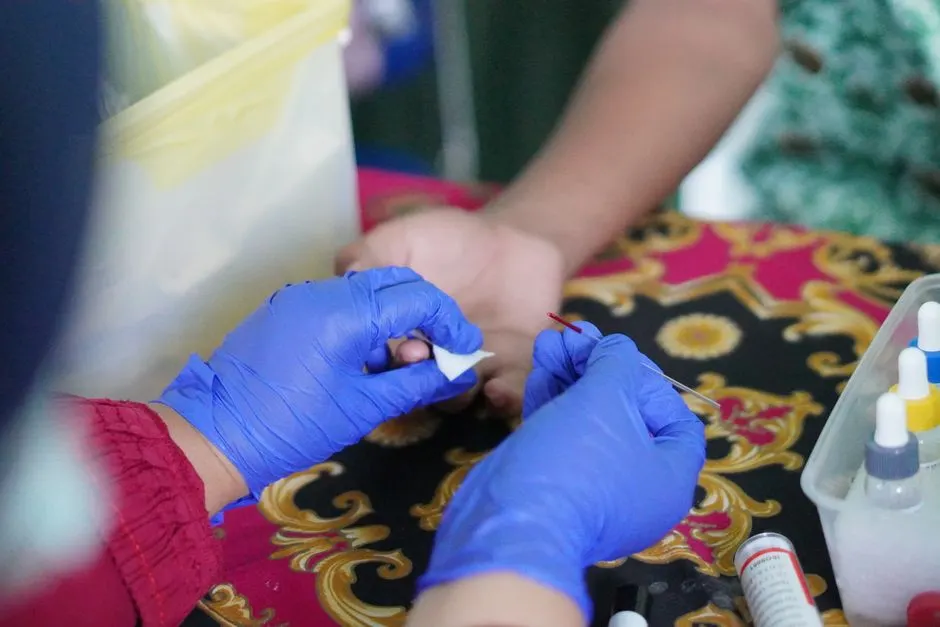
A focused assessment helps you separate a moisture problem from a confirmed mold concern. We explain where we looked, what we measured, why a sample was collected, and what the result means for your property. You leave with practical findings you can use to plan repairs, discuss a real-estate decision, or verify completed work.
Locate Moisture First
We compare visible conditions with readings from a pinless moisture meter and, where needed, a pin-type moisture meter. A mapped reading pattern helps narrow the search around a leak instead of treating every nearby wall as suspect. You get specific locations and measurements to guide a repair or further inspection.
Sample With a Purpose
Sampling is selected to answer a defined question, such as whether airborne spores differ between a concern area and a comparison area. We use an air sampling pump with a spore trap cassette when that method fits the conditions. This keeps professional mold sample collection Henderson focused rather than turning the visit into indiscriminate testing.
Understand Lab Results
A laboratory report identifies what was detected in the submitted sample and reports relevant counts or observations. We connect that result to the room, moisture history, and inspection notes instead of treating one number as a complete diagnosis. You receive a plain-language explanation of what the finding supports and what it does not establish.
Support Your Next Decision
Documented observations and targeted results can help you prioritize drying, repairs, additional investigation, or post-remediation checks. For a buyer or property manager, that record gives the discussion a concrete starting point. We identify the next practical step so you are not left sorting through technical terminology alone.
Customer feedback Not stated
The homeowner described a clear inspection after a bathroom leak in Green Valley. The assessor checked the vanity and adjoining wall, explained the moisture readings, and collected only the sample that addressed the concern. The report helped the owner coordinate drying and repairs without treating every nearby surface as contaminated.
Customer feedback Not stated
A Henderson buyer appreciated receiving a straightforward explanation of a ceiling stain and the limits of the sample result. The assessment included an attic check, moisture comparisons, and labeled findings. The buyer used the report to ask focused questions about the previous roof repair.
Customer feedback Not stated
A property manager said the post-remediation visit was organized and easy to understand. The team documented the affected office area, checked moisture at several locations, and explained the laboratory report in plain language. The result gave the maintenance file a useful record of the condition at inspection.
Our local experience covers residential and commercial concerns, from a small sink leak to a musty odor that persists after repairs. We use a consistent inspection record: reported history, accessible conditions, moisture locations, sampling method, and sample identifiers. When laboratory analysis is requested, samples are sent to an appropriate analytical laboratory, and the report is interpreted alongside-not instead of-the site evidence. We do not claim a company tenure or credential that has not been established. Our focus is sound field practice, clear communication, and findings that help you choose a responsible next step.

Real answers to the questions we hear most often from local homeowners and property managers.
A mold inspection in Henderson emphasizes visual conditions, odor history, and moisture pathways. It pairs with assessment and sampling when you need to locate a concern first, then decide whether laboratory analysis will answer a specific question about the property.
View Mold InspectionMold testing in Henderson focuses on collecting and analyzing selected samples. We use assessment findings to choose sample types and locations, helping avoid testing without a clear purpose or treating a single laboratory result as a complete property diagnosis.
View Mold TestingIndoor air quality testing can investigate airborne particles and other indoor concerns beyond visible growth. In Henderson, an assessment helps identify rooms and conditions worth testing, while the selected analyses depend on the concern and the questions you need answered.
View Indoor Air Quality TestingAirborne mold spore testing uses air samples from selected indoor locations, sometimes with an outdoor comparison. We first assess airflow, moisture, and room conditions in Henderson so collection points can represent the concern rather than an arbitrary spot.
View Airborne Mold Spore TestingSurface mold testing collects material from a defined area using an appropriate surface method. For Henderson properties, we inspect the material and moisture history first, then sample when identification or comparison would change the next decision.
View Surface Mold TestingBulk material testing analyzes a piece of material, such as drywall or insulation, when a surface or air sample cannot answer the question. We identify the affected location in your Henderson property and document the sample so results remain tied to the building material.
View Bulk Material Mold TestingCall +1 866-896-8166 to talk through a leak, odor, visible growth, or property inspection concern in Henderson, NV. Our phone line is open Monday through Friday, 8:00 a.m. to 6:00 p.m.; we respond to messages during business hours and help plan the right inspection. We serve Clark County neighborhoods and nearby Henderson ZIP codes.
Phone
+18668968166Address
Henderson, Nevada
Hours
Mon–Fri: 7AM – 7PM
Sat: 8AM – 4PM
Sun: Emergency Only
24/7 Emergency Available