
Sample Location Review
We review the visible damage, leak history, and material type before choosing a collection point. That helps connect the specimen to your concern and avoids treating an unrelated piece of building material as representative.
The service covers a focused review of the reported concern, moisture observations near the sample site, collection and labeling of suitable material, laboratory submission, and a plain-language review of the findings. We identify the limits of each result so you know what the sample answers. Air sampling, surface testing, leak tracing, and additional sample locations are separate methods selected when the investigation calls for them.
We review the visible damage, leak history, and material type before choosing a collection point. That helps connect the specimen to your concern and avoids treating an unrelated piece of building material as representative.
We use appropriate moisture tools around the suspected area and record conditions that help explain why the material was selected. A reading supports the investigation but does not, by itself, identify mold.
We collect a suitable portion of the suspect material, label its room and surface, and seal it for laboratory handling. Collection size and access depend on the material and the question being tested.
We explain the report in relation to the submitted material and sampling location. You receive a clear distinction between what was found in the specimen and what would require additional sampling or inspection.
Bulk Material Mold Testing Henderson NV is a laboratory sample service that identifies mold in pieces of building material when water damage or suspected growth needs confirmation. We inspect the affected area, check moisture conditions, and collect a small representative sample from the material itself. Depending on the surface and question, that may mean a wallboard or drywall sample, insulation, carpet and padding, or another affected component. The laboratory findings help distinguish confirmed growth from staining, dust, or an inaccurate visual assumption, giving you a clearer basis for repair decisions.
Henderson properties face plumbing leak moisture intrusion, roof leak moisture intrusion, condensation-related mold, and water damage after storms or equipment failures. Materials can appear dry at the surface while moisture remains behind a finish, so targeted sampling is useful when staining or persistent musty odors remain unexplained. If you are arranging bulk mold sampling after a leak in Henderson NV, we connect the sample location to the moisture inspection and the visible damage, then explain what the result does and does not establish.
Bulk Material Mold Testing in Henderson follows a defined sequence: identify the concern, locate the sample site, collect and label material, submit it for analysis, and review the findings with you. A straightforward site visit often takes about 1-2 hours; larger or multi-room investigations take longer.
Schedule
Call or book online — a real human picks up and confirms a 2-hour arrival window.
Diagnose
Licensed tech inspects on-site, then walks you through the cause and your options.
Fix
The job is completed to code and done right the first time — no shortcuts, no surprises.
Guarantee
Every job backed by a written workmanship warranty — and we stand behind it.
Pinless moisture meter
We scan a broad area without inserting pins to compare moisture patterns across finishes. It helps identify locations that deserve closer inspection before material sampling.
Pin-type moisture meter
We use a pin-type moisture meter for direct readings in suitable materials when a more localized moisture check helps select the sample site.
Infrared thermal camera
The camera highlights surface temperature differences that can point to areas for follow-up. It is a screening aid, not a mold detector or substitute for a sample.
Borescope
A borescope allows visual review through an existing or small access opening, helping us inspect a concealed cavity before deciding where material collection is appropriate.
Bulk sampling bags
We use sealed, labeled bulk sample bags to contain collected building material and preserve its identity during handling and laboratory submission.
Air-O-Cell
When airborne sampling is separately indicated, an Air-O-Cell spore trap cassette can collect airborne particles with an air sampling pump. It answers an air question, not the composition of a drywall sample.
Targeted material sampling
We choose a specimen based on the leak history, visible condition, material type, and moisture observations. Each sample is labeled by room and surface. This keeps a laboratory finding tied to a defined location and reduces confusion when multiple materials or rooms are investigated.
Separate-question sampling
Material, surface, and air sampling answer different questions. We explain the distinction before collection: a bulk specimen evaluates the submitted material, a tape-lift or sterile swab examines a surface, and a spore trap cassette collects airborne particles. The method follows the concern.
Clean collection and chain of context
We use clean handling practices, record the sample location, and package each specimen separately. Clear labeling helps preserve the relationship between the material, the observed damage, and the laboratory report, especially when a property has more than one leak-affected area.
01
What we do: We review the leak location, check surrounding moisture, and choose a sample point tied to the affected wall assembly. If access is limited, a borescope may help assess the cavity before we collect a specimen from a suitable location.
→ You receive a laboratory finding for the submitted material and a clearer basis for discussing whether that section needs removal.
02
What we do: We compare visible staining with moisture observations and the known roof entry path. A targeted material sample can help assess the ceiling or insulation, while a separate inspection addresses whether moisture is still entering.
→ The result identifies what was found in the sampled material and helps separate repair of the roof from remediation of interior damage.
03
What we do: We document the affected flooring area and determine whether carpet, padding, or another layer is the appropriate specimen. Samples are individually identified so findings remain tied to the unit and location.
→ You can base the flooring plan on specific sample results instead of assuming every layer has the same condition.
04
What we do: We clarify whether the concern is growth within the material, residue on the surface, or airborne particles, then choose a matching sampling method. A material sample is collected only when it answers the question being asked.
→ You get a result with clear boundaries, helping you decide whether another test or repair step is warranted.
Henderson homes and commercial spaces experience long cooling seasons, sharp outdoor heat, and occasional storm-driven roof leaks. Those conditions can contribute to condensation around HVAC components, moisture intrusion at roof details, or hidden wet materials after a plumbing failure. We check the reported history and current moisture patterns rather than assuming a dry-looking surface is unaffected. For building material mold sampling Henderson NV, we identify the material, room, and suspected moisture path before collection. If you need mold testing for flooring and insulation near Anthem Henderson, we assess each layer separately because carpet, padding, and insulation do not respond to water in the same way. Our work covers Henderson in Clark County, including homes with concealed wall cavities and newer finish assemblies. Sampling is not a building code inspection; we document the observed conditions and explain what the laboratory result can establish. You receive a location-specific finding to support repair planning, with additional air or surface methods used only when they address a separate question.
Anthem
Roof and plumbing leaks can affect ceiling finishes or insulation. We tie any sample to the affected room and reported entry path.
Green Valley
For wall or flooring damage after a fixture leak, we compare moisture observations across the affected area before selecting a representative material.
Lake Las Vegas
A musty odor near a cooling system or exterior wall calls for a focused check of moisture conditions and the specific material under question.
Inspirada
After a recent leak, we help distinguish a stain on the finish from a concern within the drywall or nearby insulation.
Long cooling periods can produce condensation near HVAC components.
Condensation may dampen nearby materials without a dramatic leak mark. We check the suspected area and collect only from a material connected to the reported concern, while treating duct or air questions as separate investigations.
Storm-driven roof leaks can wet ceilings and insulation.
A ceiling may dry at the surface while insulation or concealed wallboard remains affected. We use the leak path and moisture observations to select a useful specimen and explain whether further access is needed.
Fast surface drying can obscure earlier water damage.
Dry air and indoor cooling can change surface conditions before a visit. A current moisture reading is only one part of the assessment, so we also consider the timeline, material history, and visible evidence when choosing a sample.
A stain, odor, or damaged finish can leave you weighing unnecessary demolition against a repair that misses hidden growth. Targeted sampling helps answer a specific material question and ties the result to the moisture history in your Henderson property.
Problem
Without identification, you may remove more wall than needed or cover material that still requires attention.
Our Fix
We check the affected area, select a representative piece, and arrange laboratory analysis. The report tells you whether mold was identified in that specimen, helping you and your contractor plan a repair around the actual finding.
Problem
Concealed material can stay damp after the visible ceiling dries, leaving the source and extent uncertain.
Our Fix
We connect moisture observations with the reported leak path and collect a suitable insulation or adjacent material sample when accessible. If the concern extends beyond one component, we discuss additional inspection or sampling methods to answer those separate questions.
Problem
Color alone cannot confirm whether mold remains, and an unsupported assumption can complicate a repair or clearance decision.
Our Fix
We document the location and test the material or surface using a method suited to the question. The resulting report is limited to the specimen collected, giving you specific evidence rather than a visual guess.
Problem
Replacing only the top finish can leave damaged padding or underlying material unaddressed.
Our Fix
We inspect accessible edges and moisture patterns, then identify which layer is suitable for sampling. Carpet and padding samples can be evaluated separately when the construction and concern call for it, helping you target the repair.
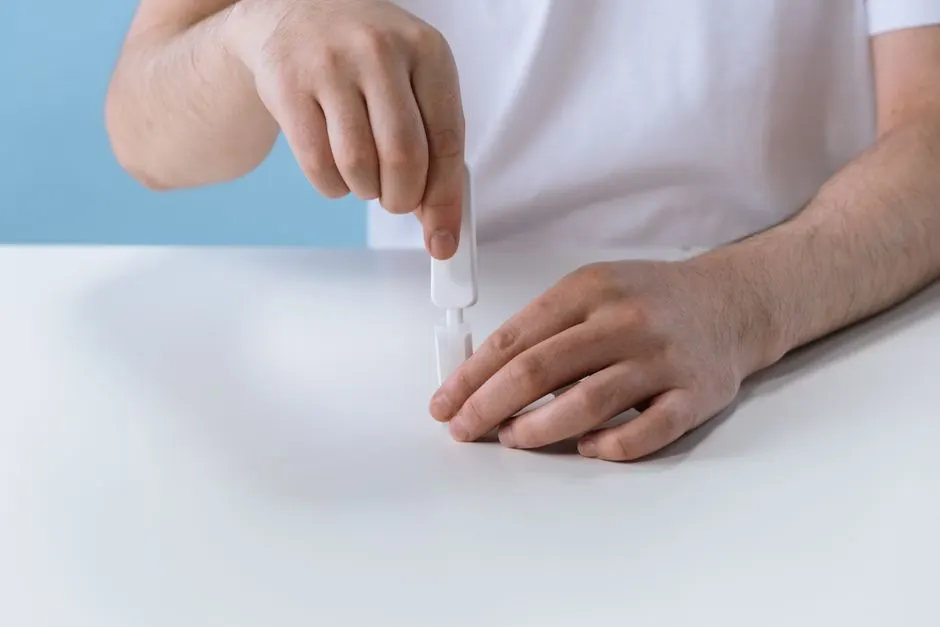
A material sample answers a different question than an air or surface test: whether the submitted piece contains mold. We focus on the affected assembly and explain how each finding relates to your next repair decision.
Confirm The Material
A wall stain alone does not prove mold growth. We select a representative piece and submit it in a sealed bulk sample bag, so the result addresses the material itself. That can help you decide whether a limited section of drywall needs removal or whether the evidence points elsewhere.
Target Hidden Growth
Moisture readings and a borescope view can help locate concealed areas before we sample. For Henderson bulk material mold testing, that targeted approach limits unnecessary openings and directs attention to the material most connected to the leak or odor.
Separate Mold From Staining
Dark marks, adhesive residue, and construction dust can resemble mold. Laboratory analysis provides identification beyond appearance, helping you avoid treating a guess as a confirmed finding. We explain the sample location and report together, not as an isolated lab result.
Support Repair Planning
A clear material finding helps homeowners, building managers, and repair contractors plan the next step. When a sample is negative, the result can redirect attention toward another source; when it is positive, you have a specific affected material to discuss for controlled removal.
Typical 2026 pricing for a focused Henderson bulk material mold testing visit is about $250-$450 for one accessible sample, including field collection and routine laboratory analysis. Building material mold analysis Henderson pricing rises with added samples, difficult access, or separate air and surface tests. The material, number of rooms, and laboratory analysis requested shape the total. We explain the price upfront before sampling so you can decide based on the question you need answered.
Typical Investment Range
$250-$450 for one focused sample; multi-sample investigations cost more based on access and laboratory analysis.
A correctly selected sample helps you avoid basing a repair on appearance alone. The price covers a focused field visit, careful specimen handling, laboratory analysis, and an explanation of what the result means for the sampled material.
What changes the price
Number of samples
Each additional specimen requires separate collection, labeling, and laboratory analysis. Two materials from one room may need separate samples if you need findings for both drywall and insulation.
Access to the material
An exposed material edge is easier to sample than a concealed cavity behind a finished wall. Difficult access can add field time and may require an additional inspection step before a suitable specimen can be collected.
Laboratory analysis
The requested analysis and laboratory turnaround affect the fee. Routine material identification differs from specialized or expedited work, so we match the submission to the question instead of ordering unnecessary analysis.
Additional test methods
Air or surface samples answer questions that a bulk specimen cannot. If your concern includes airborne spores or visible surface residue, adding those methods increases the total but provides distinct evidence.
Multiple affected rooms
Separate rooms or leak events may need individually labeled specimens to preserve location-specific findings. A larger sampling plan increases collection and laboratory costs, while a single, accessible sample keeps the visit more focused.
Customer feedback Not stated
A Henderson homeowner described a focused drywall sample after a plumbing leak. The technician identified the collection location, sealed the specimen, and reviewed the laboratory finding in plain language so the owner could plan a limited repair.
Customer feedback Not stated
A property manager in Anthem reported that testing helped separate a roof-related insulation concern from a ceiling stain. The material result was explained with clear limits, allowing the repair conversation to stay tied to the sampled area.
Customer feedback Not stated
A Seven Hills resident said the team explained why a material sample differed from an air test. The homeowner used the report to understand the specific wallboard finding and decide what follow-up was relevant.
Material testing only works when the sample answers the right question. Our Henderson team links visible conditions, moisture readings, and sample handling so the laboratory receives material with useful context. We follow careful labeling and clean collection practices, then explain the result in plain language. Relevant training in microbial investigation and remediation principles helps us recognize when a material sample should be paired with moisture mapping, air sampling, or a broader inspection. We do not claim a laboratory result proves conditions outside the sampled area.

Real answers to the questions we hear most often from local homeowners and property managers.
A mold inspection maps visible conditions, moisture clues, and likely sources before material is collected. In Henderson, pairing inspection with bulk testing helps connect a laboratory result to the room, leak history, and affected assembly rather than treating a sample as a complete property assessment.
View Mold InspectionMold testing may include material, surface, or air sampling depending on the question. Bulk material testing focuses on a piece of suspect construction material. We help you distinguish these methods so the chosen test answers the concern you have about your Henderson property.
View Mold TestingIndoor air quality testing evaluates airborne conditions, which material testing alone cannot establish. If Henderson occupants report odors or symptoms while a wall is being investigated, we can explain whether air sampling should accompany a targeted material sample.
View Indoor Air Quality TestingAn assessment identifies likely sampling locations and the reason for each collection. That context is especially useful when several materials were wet or a leak affected multiple rooms. We connect the sampling plan to the building conditions and your specific decision.
View Mold Assessment and SamplingAirborne mold spore testing collects air through a sampling pump and cassette for laboratory review. It addresses airborne particles, not whether a particular piece of drywall contains mold. Combining methods can answer separate questions after water damage in Henderson.
View Airborne Mold Spore TestingSurface testing uses methods such as a sterile swab or tape-lift slide to examine growth on a surface. It can complement a bulk sample when you need to compare a visible patch with the interior of water-damaged material.
View Surface Mold TestingCall +1 866-896-8166 to talk through a leak, odor, visible growth, or property inspection concern in Henderson, NV. Our phone line is open Monday through Friday, 8:00 a.m. to 6:00 p.m.; we respond to messages during business hours and help plan the right inspection. We serve Clark County neighborhoods and nearby Henderson ZIP codes.
Phone
+18668968166Address
Henderson, Nevada
Hours
Mon–Fri: 7AM – 7PM
Sat: 8AM – 4PM
Sun: Emergency Only
24/7 Emergency Available