Logo
Get Estimate

Mold Inspection Henderson NV for Clear Answers

Find moisture sources, assess suspect areas, and plan next steps.


Mold Inspection Henderson NV gives homeowners, buyers, property managers, and business owners a clear picture of suspected growth and the moisture feeding it. We check visible surfaces, trace dampness, and select samples when the findings call for laboratory analysis. Our Henderson mold inspection helps you respond to a musty odor, a leak, or a concern before repair work begins, with practical findings you can use to choose the next step.

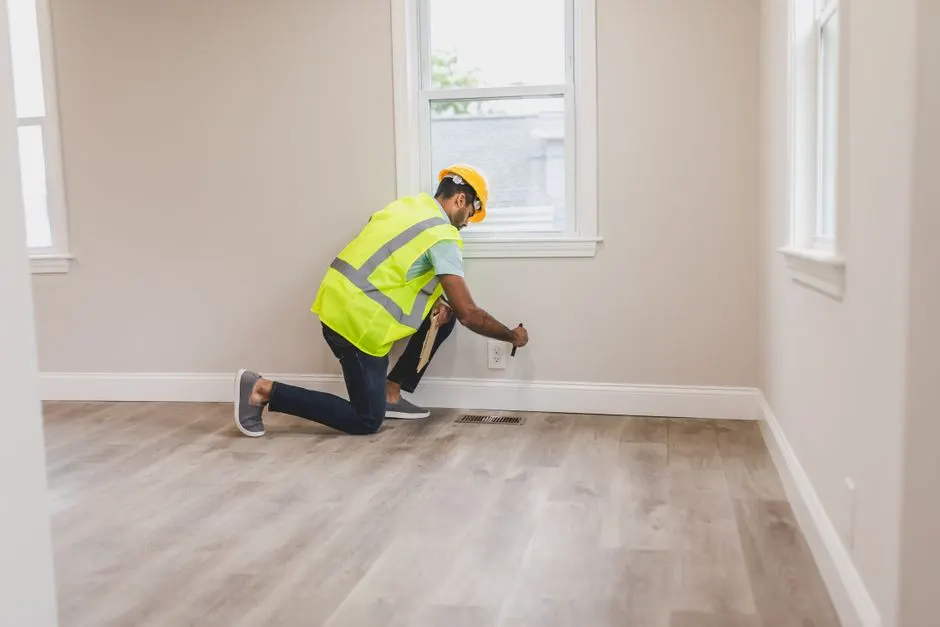
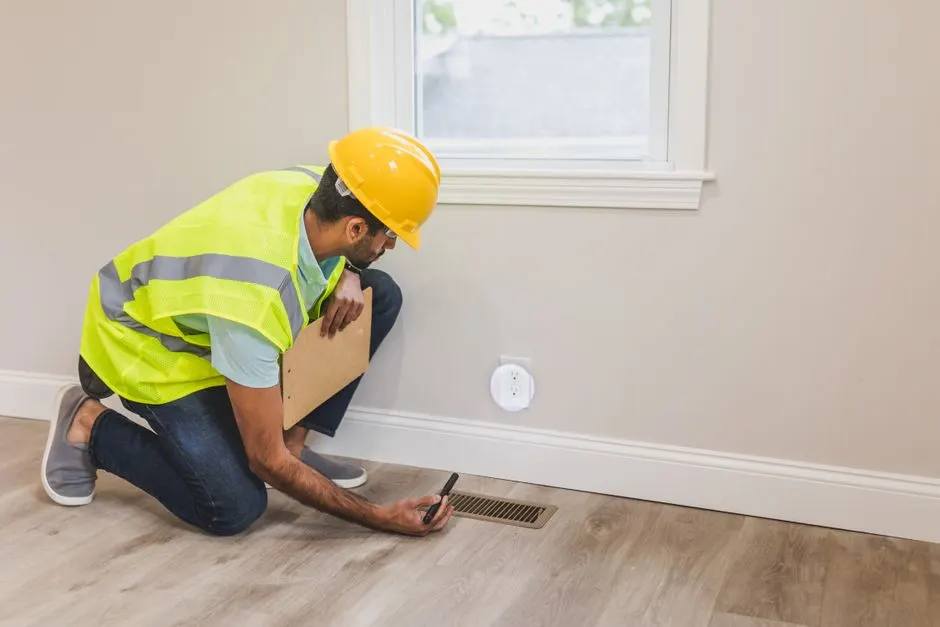
A construction worker in a hard hat inspects a floor vent indoors, ensuring quality and safety standards.
Licensed Licensed & Bonded
Fully Insured Insured & Bonded
24/7 Emergency Same-Day Response
Warranty Backed Workmanship Guaranteed in Henderson

What a Henderson Mold Inspection Includes

A standard inspection covers a visual walkthrough of the reported area, moisture checks at selected materials, review of likely water sources, and a clear discussion of observations. Sampling, laboratory analysis, invasive openings, and repairs are added only when they address a specific question or task. We explain the difference before proceeding, so you know whether the visit is focused on assessment, testing, or both.

Visual Condition Review

We inspect accessible surfaces in the reported room and relevant adjoining areas, noting staining, suspect growth, water damage, and persistent odors. You can show us previous repair spots or changes that appear after rain or HVAC use. Observations are recorded as findings, not treated as laboratory identification.

Moisture Readings

We take readings at selected wall, floor, trim, or cabinet surfaces and compare them with nearby materials. A pinless meter helps scan broad areas; a pin-type meter provides a more localized reading where suitable. Results guide the investigation but do not independently confirm mold.

Likely Source Assessment

We look for conditions such as plumbing leaks, roof entry, condensation, or moisture around HVAC components. Identifying the likely source matters because cleanup without correcting moisture can lead to recurring damage. We explain what was observed and which repair trade should investigate further.

Targeted Sampling Option

When sampling helps answer the question, we collect an appropriate air or surface sample and label its location. Laboratory analysis is separate from the visual and moisture assessment. We review the purpose and explain how the result will be interpreted alongside the building observations.

Findings and Next Steps

We discuss the affected locations, evidence, and practical priorities with you. Recommendations may include correcting a leak, drying materials, further investigation, or remediation by a qualified contractor. You leave knowing what the inspection found and what action is most relevant.

Mold Inspection Henderson NV: What We Check


Mold Inspection Henderson NV is a building assessment that identifies visible or suspected mold, evaluates moisture conditions, and determines whether targeted sampling is useful. We inspect affected rooms and adjoining areas, look for water-damaged building materials, and use moisture readings to separate a surface mark from an active dampness problem. If hidden mold growth is suspected, we explain what a borescope or carefully selected sample could clarify. The inspection documents observations and test results; it does not assume that every stain is mold or that every room needs sampling.

Henderson homes face dry outdoor air for much of the year, but roof leak moisture intrusion, plumbing leaks, air-conditioning condensation, and poorly dried water damage still create localized damp conditions. A musty odor can persist after a small leak is repaired, especially inside a vanity, closet wall, or around an HVAC component. Our mold inspection in Henderson, Nevada, follows the moisture path rather than relying on appearance alone. For a mold inspection for a musty-smelling house in Henderson, we compare affected and unaffected areas and explain what the findings support.

What to Expect During the Inspection

A Henderson mold inspection starts with the reason you called and ends with findings you can act on. We walk the affected area with you, take readings where they add value, and explain when sampling is appropriate. A typical residential visit takes about 1.5 to 3 hours; larger properties or multiple affected zones require more time.

01

Schedule

Call or book online — a real human picks up and confirms a 2-hour arrival window.

02

Diagnose

Licensed tech inspects on-site, then walks you through the cause and your options.

03

Fix

The job is completed to code and done right the first time — no shortcuts, no surprises.

04

Guarantee

Every job backed by a written workmanship warranty — and we stand behind it.

Tools and Inspection Methods

Tools & Equipment

Pinless moisture meter

Scans broad sections of wall, flooring, and trim without inserting pins. We compare readings across nearby materials to identify areas that deserve a closer look.

Pin-type moisture meter

Measures moisture at selected points in suitable materials. It helps confirm a localized reading when a broad scan indicates a possible damp area.

Infrared thermal camera

Shows surface temperature patterns that can guide further investigation. We pair thermal observations with moisture readings because temperature differences alone do not confirm water or mold.

Borescope

Views a limited, accessible cavity through an existing opening. It can help inspect a concealed area without assuming that a wall must be opened.

Air sampling pump and spore trap cassette

Collects a controlled air sample for laboratory analysis when airborne conditions are part of the inspection question. Sample placement and room context are recorded for interpretation.

Sterile swabs and tape-lift slides

Collect selected surface material for laboratory analysis. The collection method depends on the material and the question, and each sample is tied to its specific location.

Methods & Standards

Moisture-path assessment

We start at the reported stain, odor, or leak and follow adjoining materials toward likely sources. Readings from suspect and comparison areas help determine whether the concern is localized. This method is useful for distinguishing active dampness from old discoloration and for directing a contractor to the right area.

Targeted air sampling

When airborne testing is appropriate, we select sample locations based on the reported issue and the building layout. A sampling pump draws air through a collection cassette for later analysis. We explain that a result represents the sampled air and time period; it is interpreted with the inspection, not in isolation.

Surface sample collection

We use a suitable collection method on a specific suspect surface when identification would affect the next decision. Sample location, surface condition, and visible context are documented. A laboratory result identifies the submitted material; it cannot establish the condition of untested areas elsewhere in the property.

Post-remediation condition review

After cleanup, we review the affected area for visible conditions, remaining moisture, and the inspection question agreed for verification. Where testing is appropriate, samples are selected to match that question. The review focuses on the completed work area and does not replace correction of an ongoing leak or moisture source.

When to Schedule an Inspection

01

A Green Valley homeowner notices a musty odor returning after a bathroom supply-line leak was repaired.

What we do: We inspect the vanity, adjacent wall, and nearby flooring, then map moisture readings to see whether any materials remain damp. If a concealed cavity is a concern, we explain whether a borescope view or targeted sample can add useful evidence. The visit stays focused on the reported leak path.

→ You learn whether the area appears dry, needs further investigation, or needs a repair or remediation professional to address specific materials.

02

A Henderson buyer sees a ceiling stain and wants an assessment before completing a property purchase.

What we do: We examine the stain, accessible attic conditions, and nearby materials for moisture evidence. We review any known roof repair history and record what is visible and accessible. If sampling is appropriate, we explain the question it will answer before collecting it.

→ You receive evidence-based observations to help guide a repair discussion, additional evaluation, or transaction decision.

03

A commercial tenant reports an odor in one suite while neighboring rooms appear unaffected.

What we do: We assess the affected suite and selected comparison areas, review accessible HVAC conditions, and look for localized moisture. The inspection plan accounts for room access and normal business operations. If the results call for sampling, collection points are tied to the reported concern.

→ The property manager gets defined locations and practical next steps without treating the entire building as affected by default.

04

A homeowner wants a post-remediation check after damaged drywall was removed and the leak corrected.

What we do: We review the remediated area for visible residue, moisture, and conditions that could undermine the repair. If the agreed verification question requires samples, we collect them from relevant locations and explain laboratory timing. We also check whether the source of water has been addressed.

→ You get a documented view of the accessible work area and evidence relevant to deciding whether the project is ready for the next repair stage.

How Mold Inspection Works in Henderson

Henderson's dry climate does not eliminate indoor moisture problems. Winter rain can expose roof or window entry, while sustained air-conditioning use can create condensation near drains, closets, and poorly insulated surfaces. A small plumbing leak may stay hidden beneath a vanity long after the visible drip stops. Our Henderson mold inspection follows those local building conditions: we check the reported area, compare moisture readings, and review accessible adjoining spaces. In neighborhoods with varied housing ages and renovations, previous repairs and material changes can affect what is accessible and what a reading means. For commercial sites, operating hours and shared HVAC zones shape the walkthrough. If you need a same-day mold inspector in Henderson, tell us whether a leak is active and which rooms are affected so we can prioritize the visit. We explain any testing choice and relate results to the exact sample locations. The goal is a useful, property-specific answer, not a generic claim based on climate or appearance.

Neighborhoods We Serve

  • Green Valley

    We check reported bathroom and kitchen leaks alongside adjoining cabinets and walls, where a small plumbing failure can leave moisture after the fixture appears repaired.

  • Anthem

    For homes with attic access, we assess reported ceiling stains against accessible roof framing and the leak history, distinguishing dry discoloration from current moisture evidence.

  • Downtown Henderson

    Property inspections account for shared walls, tenant access, and prior repair work, with findings tied to the specific suite or living area involved.

  • Lake Las Vegas

    We investigate odor or dampness near HVAC and plumbing areas, comparing the suspect location with nearby materials before recommending sampling or repair follow-up.

Local Conditions We Plan For

  • Winter rain exposes roof leaks and water entry around exterior openings.

    A ceiling mark or damp attic surface after rain needs comparison with the repair history and current readings. We check accessible areas and identify whether evidence points to ongoing intrusion or a dry, older stain.

  • Long air-conditioning cycles create localized condensation around HVAC components.

    Moisture near a drain, closet, or insulated line can affect a small area while the rest of the room stays dry. We assess the accessible surroundings and direct you to a mechanical contractor when equipment drainage requires attention.

  • A repaired plumbing leak leaves concealed moisture in cabinets or wall cavities.

    The visible drip may stop while adjacent materials remain damp. We map readings around the repair and use the results to determine whether the area needs drying, additional access, or targeted testing.

Tracing a Returning Sink Odor

Before

A Green Valley homeowner reported a musty smell under the kitchen sink two weeks after a supply-line repair. The cabinet looked dry, but the odor returned when the doors stayed closed. No one could tell whether the problem was residual moisture, a drain issue, or suspected growth behind the cabinet.

After

The inspection compared readings inside the cabinet, along the adjoining wall, and at nearby dry material. The readings identified one localized area for follow-up rather than a whole-kitchen concern. The homeowner received a clear explanation of the evidence and a focused drying and repair path.

Maintenance: Keep the cabinet clear enough to spot drips, check supply connections monthly, and recheck the repaired area after heavy fixture use. A recurring odor or new staining warrants another moisture assessment.

Before

A Henderson buyer noticed a ceiling stain beneath a section of roof that had reportedly been repaired. The mark was visible from the living room, but the buyer had no way to judge whether moisture remained above the ceiling or whether the discoloration was old.

After

The inspector checked the ceiling and accessible attic materials, recording readings at the stain and comparison points. The area measured dry during the visit, and no active moisture pattern was observed in the accessible space. The buyer received a concise record of the inspection limits and observations.

Maintenance: After future heavy rain, check the ceiling and accessible attic for new staining or dampness. Keep the roof repair documentation with property records so a change can be compared with the original finding.

Before

A Downtown Henderson tenant noticed odor near an HVAC closet during periods of frequent cooling. The property manager was concerned about possible ductwork mold, but there was no visible growth in the occupied room and no defined moisture source.

After

The inspection focused on accessible closet surfaces, nearby materials, and visible condensate-related conditions. Readings helped narrow the concern to the equipment area, and the manager received a recommendation for mechanical drainage follow-up. The inspection did not label the entire duct system contaminated without supporting evidence.

Maintenance: Have the HVAC contractor check condensate drainage during routine service and respond promptly to standing water. Reassess nearby materials if the odor continues after the drainage issue is corrected.

Solve the Source Behind Musty Odors

Odors, stains, and repeat dampness are signals to investigate, not diagnoses by themselves. Our inspection connects those signs to building conditions so you can stop guessing and choose a proportionate next step. We focus on the affected area and the moisture pathway that could be sustaining the problem.

Problem

A musty smell returns after a small plumbing leak was repaired.

Moisture trapped behind a cabinet or wall can keep materials damp and allow odor to linger, even when the visible leak has stopped.

Our Fix

We inspect the cabinet, adjacent wall, and nearby flooring, then compare moisture readings across affected and unaffected materials. If the evidence suggests a concealed area, we explain the location and whether a borescope or targeted sample would help. You get a focused follow-up plan instead of an assumption that the entire room needs removal.

Problem

A ceiling stain appears beneath a roof repair after winter rain.

A stain can remain after materials dry, but renewed moisture may signal an unresolved roof pathway or damage inside the ceiling assembly.

Our Fix

We check the ceiling and accessible attic area, look for current moisture patterns, and relate observations to the repair history. If the material is dry, we say so; if readings or visible conditions support further action, we identify the area for a roofer or remediation contractor to inspect.

Problem

An HVAC closet has odor or dampness during heavy air-conditioning use.

Condensation or drainage problems can wet nearby surfaces, creating recurring odor and damage even when the surrounding room appears dry.

Our Fix

We assess accessible equipment surroundings, condensate-related areas, and adjoining materials. Our findings distinguish a moisture concern from confirmed mold and identify whether an HVAC contractor should check drainage or insulation. Targeted sampling is available when it would answer a remaining question.

Problem

A buyer finds old water marks but cannot confirm whether the area is dry.

Without checking the materials and nearby conditions, a buyer may overlook active moisture or overreact to a stain left by a resolved event.

Our Fix

We inspect the accessible affected area, compare moisture readings, and document visible conditions and limits of access. A pre-purchase assessment gives you practical information about current evidence and any recommended follow-up, so you can discuss the findings before making a property decision.

Useful Findings, Practical Next Steps

Useful Findings, Practical Next Steps

A useful inspection narrows the problem to a location, a likely moisture source, and a sensible action. We explain what we observed in plain language, distinguish confirmed findings from concerns that need testing, and give you a record to share with a contractor, property manager, or real estate professional.

  • Track Moisture, Not Guesswork

    We use a pinless moisture meter to scan broad areas and a pin-type moisture meter when a more exact reading is needed. Comparing readings across nearby materials helps identify damp wallboard or trim that looks dry from the room. You get specific locations to investigate, rather than a vague instruction to treat the whole space.

  • Target Samples Carefully

    Sampling is selected to answer a defined question, such as whether a suspect surface contains fungal material or whether airborne levels differ between rooms. We collect only relevant samples and document where each came from. That keeps Henderson mold inspection results tied to the building conditions you need to address.

  • Separate Odor From Evidence

    A persistent musty smell is a clue, not a mold identification. We check nearby plumbing, cabinets, HVAC areas, and water-damaged building materials, then explain whether the inspection found visible growth, elevated moisture, or a reason for laboratory analysis. This reduces unnecessary demolition when evidence does not support it.

  • Support the Next Decision

    Your findings help you decide whether to repair a leak, open a limited area, arrange remediation, or obtain post-remediation testing. We identify the locations and conditions behind each recommendation so your next contractor has a clear starting point, whether the property is a home, rental, or commercial space.

Inspection Standards and Proof

Licensed & Certified

  • ACAC Council-certified Microbial Investigator (CMI) — issued by American Council for Accredited Certification
  • IICRC Applied Microbial Remediation Technician (AMRT) — issued by Institute of Inspection, Cleaning and Restoration Certification
  • EPA Mold Course Certificate — issued by United States Environmental Protection Agency
  • OSHA Hazard Communication Standard training — issued by Occupational Safety and Health Administration

Verified Reviews

Customer feedback Not stated

A homeowner in Green Valley appreciated that the inspection followed a repaired plumbing leak instead of assuming the visible odor proved mold. Moisture readings identified one area for follow-up, and the explanation helped them avoid opening an entire cabinet wall without evidence.

Customer feedback Not stated

A buyer in Anthem wanted a clear assessment of a ceiling stain before closing. The inspector checked accessible attic materials, compared readings, and explained what the visit could confirm. The buyer said the findings were specific enough to discuss with the seller and roofer.

Customer feedback Not stated

A Downtown Henderson property manager called about an odor near an HVAC closet. The inspection focused on the equipment area and nearby surfaces, then identified a mechanical follow-up instead of labeling the whole building. The manager valued having a defined area and next step for maintenance.

Inspection Skills and Training

Mold inspection requires more than spotting dark marks: the inspector has to connect moisture, building materials, ventilation, and sampling limits. We use a measured approach for Henderson homes and commercial properties, documenting visible conditions and distinguishing observation from laboratory identification. Relevant training can include the ACAC Council-certified Microbial Investigator (CMI) credential, the IICRC Applied Microbial Remediation Technician (AMRT) course, EPA Mold Course Certificate, and OSHA Hazard Communication Standard training. We do not claim a credential unless held by the person performing the work; you can ask which qualifications apply to your appointment.

  • Moisture mapping compares suspect materials with nearby dry areas, giving your repair contractor a clearer location to investigate.
  • Sample selection follows the inspection question; we avoid treating one air result as a complete diagnosis of a building.
  • ACAC Council-certified Microbial Investigator training focuses on evaluating microbial conditions and documenting building observations.
  • EPA Mold Course Certificate and OSHA Hazard Communication Standard training support safe, informed handling of inspection materials.
  • We separate inspection from remediation so findings remain focused on identifying conditions and useful next steps.
Get Started Today
Inspection Skills and Training

Mold Inspection Questions, Answered

Real answers to the questions we hear most often from local homeowners and property managers.

What does a mold inspection include in Henderson?
A Henderson mold inspection includes a visual assessment, moisture checks in suspect materials, review of likely water sources, and targeted sampling when it can answer a specific question. We inspect affected and nearby areas, record relevant readings, and explain findings before recommending next steps. Air or surface laboratory testing is an added component when appropriate, not an automatic requirement for every visit. The inspection focuses on building conditions and evidence, not a visual guess about species.
How much does a mold inspector cost in Henderson, Nevada?
A residential inspection commonly costs $250 to $650 in 2026, with larger or more complex properties often ranging from $650 to $1,200. Price depends on property size, number of affected areas, access, and whether laboratory samples are needed. A mold inspector Henderson NV visit begins with the specific concern so the work stays focused. We explain pricing upfront before proceeding, and sample analysis can add a separate laboratory charge.
When should I schedule a mold inspection in Henderson?
Schedule an inspection within a few days of discovering recurring dampness, a persistent musty odor, visible growth, or water damage that was not dried within 24 to 48 hours. Call sooner after an active leak or if a household member has a particular concern. You should also arrange an inspection before buying when there is a history of moisture damage, or after remediation when you need an independent check of the affected area.
Can a mold inspector check for hidden mold in a Henderson home?
Yes, a Henderson inspector can look for clues to hidden mold by tracing moisture, checking adjacent surfaces, and assessing accessible cavities. A borescope may view a limited space through an existing opening, while invasive opening requires your approval and is not assumed. If the inspection supports further investigation, we explain the exact location and reason. For homes with no visible growth but persistent odor, moisture mapping helps narrow the likely source before any material is removed.

Related Mold Inspection Services

Mold Testing

Mold testing adds laboratory analysis to a Henderson inspection when a sample can answer a defined question. We select air or surface sampling based on the concern, document sample locations, and connect results to moisture and visible conditions rather than treating a lab report as a whole-building diagnosis.

View Mold Testing

Indoor Air Quality Testing

Indoor air quality testing can help investigate airborne particles, odors, or ventilation concerns that extend beyond one visible spot. We use it alongside a Henderson building inspection when the question involves room-to-room differences or occupant concerns, and explain what the selected measurements can and cannot establish.

View Indoor Air Quality Testing

Mold Assessment and Sampling

Assessment and sampling pair a structured walkthrough with selective collection of air or surface material. This is useful when you need evidence to clarify a musty odor, a suspect stain, or a moisture history. Henderson findings include the sample locations and their relationship to observed building conditions.

View Mold Assessment and Sampling

Airborne Mold Spore Testing

Airborne spore testing collects air samples from selected rooms and, when appropriate, a comparison location. An air sampling pump draws air through a collection cassette for laboratory review. The results support a Henderson inspection but must be read with room conditions, outdoor context, and moisture evidence.

View Airborne Mold Spore Testing

Surface Mold Testing

Surface testing checks material collected from a particular stain or suspect area. We may use sterile swabs or tape-lift slides, depending on the surface and the question. For Henderson properties, this can clarify whether visible material is fungal, while moisture investigation identifies what may be sustaining it.

View Surface Mold Testing

Bulk Material Mold Testing

Bulk testing analyzes a small piece of material, such as wallboard, carpet padding, or insulation, when a surface or air sample cannot answer the question. We identify the proposed collection spot and explain the material impact before sampling. This option is often useful during a focused Henderson investigation.

View Bulk Material Mold Testing

Book Mold Inspection Henderson NV

Get a clear assessment of the odor, leak, or suspect material in your property. We explain findings and practical next steps, with upfront pricing before work proceeds. Call Henderson Mold Testing at +1 866-896-8166 to arrange your inspection.

Call Today Book Inspection

Contact Henderson Mold Testing

Call +1 866-896-8166 to talk through a leak, odor, visible growth, or property inspection concern in Henderson, NV. Our phone line is open Monday through Friday, 8:00 a.m. to 6:00 p.m.; we respond to messages during business hours and help plan the right inspection. We serve Clark County neighborhoods and nearby Henderson ZIP codes.

Or call us right now at +18668968166 — we answer.

Henderson Mold Testing


  • Phone

    +18668968166
  • Address

    Henderson, Nevada

  • Hours

    Mon–Fri: 7AM – 7PM
    Sat: 8AM – 4PM
    Sun: Emergency Only
    24/7 Emergency Available

Call +18668968166 Get Quote
Call Quote