Logo
Get Estimate

Mold Testing Henderson NV for Clear Answers

Find moisture, confirm mold, and plan your next step


Mold Testing Henderson NV helps you investigate musty odors, visible growth, or water damage without guessing at the cause. We inspect the affected rooms, measure moisture, and collect targeted samples when results will answer a specific question. Henderson homeowners, buyers, property managers, and business owners get a clear explanation of findings and practical next steps, whether a leak has just appeared or symptoms persist after cleanup.

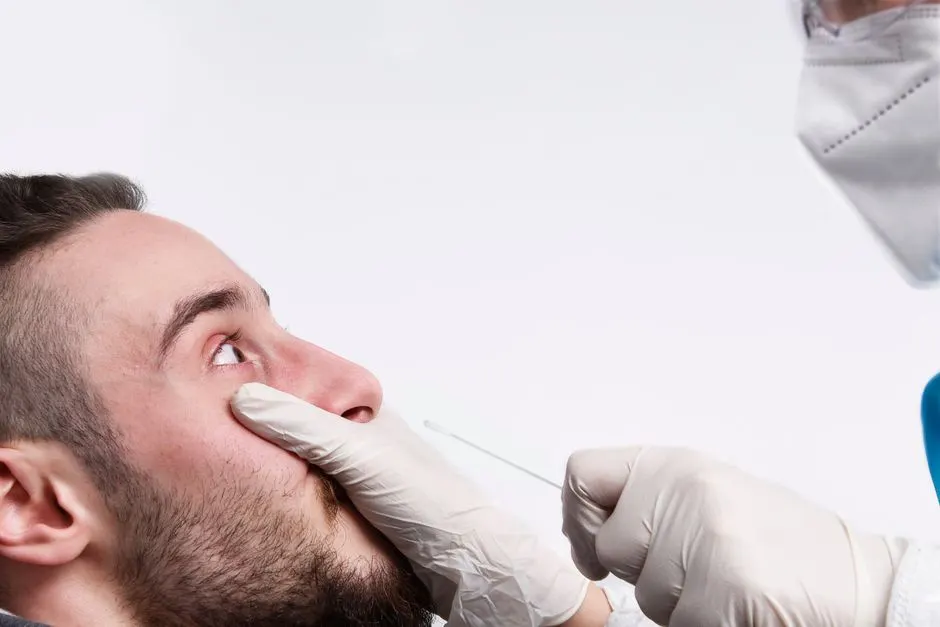
Healthcare worker giving a nasal swab test to a man on a white background.
Licensed Licensed & Bonded
Fully Insured Insured & Bonded
24/7 Emergency Same-Day Response
Warranty Backed Workmanship Guaranteed in Henderson

What Henderson Mold Testing Includes

Your visit is built around the reported concern and may include a visual review, moisture measurements, sample collection when useful, and a written summary of observations and results. We explain sample limits and the reason for each collection. Leak repair, demolition, and remediation are separate work; we can identify signs that warrant those next steps without presenting testing as a repair.

Concern and History Review

We record the affected room, odor or staining, water-event history, and any prior cleanup. That context helps focus inspection on plausible pathways and makes the final findings more useful than a sample label without a building history.

Visual and Moisture Checks

We inspect accessible surfaces and use moisture meters to compare suspect materials with nearby areas. Readings help locate dampness and guide further inspection, but they are recorded as measurements rather than treated as mold identification.

Targeted Sample Collection

When a laboratory answer is relevant, we collect the selected air, surface, or bulk sample with clean, labeled equipment. Sample types and locations are chosen to address the concern, and we explain what the analysis can and cannot establish.

Findings and Next Actions

We review observations, sample results when available, and moisture concerns in a written summary. You receive practical next steps tied to the location, such as fixing a leak, drying materials, or arranging a follow-up check after remediation.

Mold Testing Henderson NV: What It Does


Mold Testing Henderson NV is an indoor environmental assessment that checks suspected mold and moisture conditions and uses targeted samples to help identify what is present. We begin with the reason for the visit, inspect accessible surfaces, and map damp areas before choosing air, surface, or bulk-material sampling. A pinless moisture meter helps screen walls without making holes; a pin-type moisture meter checks selected materials directly. Sampling is not automatic: it is useful when a result will guide a repair, document a concern, or assess cleanup.

Henderson homes face roof leak moisture intrusion after storms, plumbing leaks under cabinets, condensation around cool surfaces, and HVAC concerns that spread odors between rooms. Dry desert air does not prevent a concealed wet wall from supporting hidden mold growth. We compare the suspect area with unaffected indoor locations when appropriate, then explain what the results can and cannot establish. If you are arranging mold testing after water damage Henderson Nevada, early moisture mapping can help locate affected materials before stains or persistent musty odors become the only clues.

How the Testing Visit Works

Mold testing in Henderson, Nevada follows a practical sequence: define the concern, inspect, choose samples, and explain results. A typical residential visit takes about 1.5 to 3 hours on site, with laboratory reporting often taking 2 to 5 business days after samples arrive. We tell you what is happening at each step.

01

Schedule

Call or book online — a real human picks up and confirms a 2-hour arrival window.

02

Diagnose

Licensed tech inspects on-site, then walks you through the cause and your options.

03

Fix

The job is completed to code and done right the first time — no shortcuts, no surprises.

04

Guarantee

Every job backed by a written workmanship warranty — and we stand behind it.

Tools and Testing Methods

Tools & Equipment

Pinless moisture meter

We scan materials for moisture patterns without inserting pins, helping compare suspect wall areas with nearby surfaces before deciding where direct measurement or further inspection is warranted.

Infrared thermal camera

We use temperature patterns to identify areas that deserve closer investigation. The camera does not identify mold; we verify a concern with moisture measurements and visual inspection.

Air sampling pump and spore trap cassette

The pump draws a measured volume of air through a cassette for laboratory review. We document the location and collection conditions so the sample can be interpreted in context.

Sterile swabs and tape-lift slides

These tools collect material from selected surfaces for analysis. We choose a specific spot, use clean collection technique, and label each sample to connect the result to the inspected area.

Borescope

Where access allows, a borescope gives a view inside a small opening or cavity. It can help assess a concealed area without removing a broad section of wall finish.

Methods & Standards

Moisture mapping and comparison

We take readings at the reported location and compare them with nearby materials that appear unaffected. The pattern helps identify damp areas and guide next inspection steps. Meter readings indicate moisture conditions, not mold species, so we interpret them alongside visible evidence, odor, and the building's water history.

Measured air sampling

When airborne sampling is appropriate, we use a pump and spore trap cassette for a recorded collection period and volume. Samples are labeled by room and compared with a suitable reference when the assessment design calls for one. A single air sample represents only the conditions during collection, not every room or every future condition.

Targeted surface collection

We use a sterile swab or tape-lift slide at a defined surface to collect material for analysis. The sample can help characterize what was present at that exact point, while inspection notes document visible conditions and moisture nearby. This method is not a substitute for checking the source of water.

Post-remediation visual and moisture review

After cleanup, we check the accessible work area for visible residue and remaining dampness, then collect agreed samples if warranted. We report the areas examined and any access limits. Results are interpreted against the project criteria and observed conditions, not as a guarantee that every hidden space is free of mold.

When to Schedule Mold Testing

01

A Green Valley homeowner finds bubbling paint below an upstairs bathroom after a supply-line leak.

What we do: We check the stained ceiling and nearby materials, compare moisture readings, and look for the leak path. If confirmation is needed before opening or replacing material, we collect a targeted sample and document exactly where it came from.

→ You get evidence tied to the damaged area and a clearer repair sequence: stop the leak, dry affected materials, then address any confirmed growth.

02

A Henderson buyer notices a persistent odor in a bedroom during a pre-purchase walkthrough.

What we do: We inspect accessible surfaces, ask about prior repairs, and check likely moisture sources around windows, plumbing, and HVAC. Sampling is considered only if it can clarify the concern for the buyer's decision or follow-up planning.

→ The buyer receives a focused record of observed conditions and any sample findings, rather than a broad conclusion based on odor alone.

03

A property manager needs to assess a tenant complaint after a roof leak was patched.

What we do: We review the leak history, inspect affected ceiling and wall areas, and take comparative moisture readings. If the condition warrants it, targeted air or surface sampling helps document the reported room and an appropriate comparison area.

→ You can coordinate drying or remediation with clearer evidence and share a location-specific summary with the tenant and building team.

04

A family wants a post-cleanup check before using a room where damaged drywall was removed.

What we do: We review the completed work area, inspect visible surfaces, and check accessible materials for remaining moisture. If agreed, we collect samples at selected locations and explain how results relate to the actual scope of work.

→ You receive a documented checkpoint with findings, sample locations, and any remaining conditions that need attention before the room returns to regular use.

How Mold Testing Runs in Henderson

Henderson's long dry periods can make a small plumbing or roof leak seem resolved once the surface dries, while water remains trapped in drywall, insulation, or cabinet bases. Summer cooling also creates temperature differences around supply registers and exterior walls; condensation can form where humid indoor air meets a cold surface. We inspect the moisture pathway, not just the visible mark. In older homes and remodeled properties, repairs may conceal earlier water damage, so a borescope or targeted material sample can help when access and the question justify it. For mold testing in Henderson, Nevada, we consider the room's use, recent leak history, and whether HVAC operation affects the concern. We serve Clark County neighborhoods including Green Valley, Anthem, and Seven Hills, with service across ZIP codes 89054 and 89005 as well. If you need professional mold testing near Green Valley, Henderson, tell us whether the water source is active, repaired, or unknown; that detail changes the inspection priorities.

Neighborhoods We Serve

  • Green Valley

    We often focus inspection around kitchens, bathrooms, and laundry areas where plumbing leaks can wet cabinet bases or wallboard before staining appears.

  • Anthem

    Roof and exterior-wall concerns after wind-driven rain call for checking the stain's perimeter and the materials above it, not just the ceiling's visible center.

  • Seven Hills

    Multi-level layouts can make a ceiling mark originate from a bathroom or mechanical area above, so we trace likely water paths between floors.

  • Lake Las Vegas

    Homes with intermittently used rooms benefit from checking ventilation, closed-room odor, and localized condensation alongside any visible moisture evidence.

Local Conditions We Plan For

  • Long dry spells can hide moisture left inside porous materials.

    A wall surface may feel dry while the material behind it remains damp. We compare readings across the affected area and inspect the leak history so a recently dried surface is not mistaken for a fully resolved moisture problem.

  • Strong summer cooling creates cold surfaces near vents and exterior walls.

    Temperature differences can contribute to condensation under the right indoor conditions. We check the location and pattern of dampness, then distinguish a possible condensation issue from plumbing or roof intrusion before recommending targeted sampling.

  • Roof leaks and plumbing failures can affect concealed cavities.

    Water can travel beyond the first stain and collect in wallboard, insulation, or flooring layers. Moisture mapping and focused access help narrow the affected area, reducing guesswork about where testing or repair should concentrate.

Tracing a Cabinet Leak

Before

A homeowner noticed a musty smell beneath the kitchen sink several days after a supply connection leaked. The cabinet looked dry, but the odor persisted and the adjacent wall had a faint discoloration. Without checking moisture or documenting a sample location, repainting or replacing the cabinet could have left the cause unclear.

After

We checked the cabinet base and adjacent wall at multiple points, recorded elevated moisture at the back panel, and collected one targeted surface sample. The findings helped direct drying and material repair to the affected section instead of the full kitchen. The report recorded the inspected locations and separated observed moisture from laboratory findings.

Maintenance: After the plumbing repair, check the cabinet base weekly for the first month and keep stored items clear of the back panel. If the odor returns or a new stain appears, arrange a moisture check before repainting.

Before

After a roof leak was patched, a ceiling stain remained in a bedroom. The owner did not know whether the area had dried or whether the mark was only old discoloration. A fresh coat of paint would have covered the evidence without confirming the ceiling cavity's condition.

After

We compared moisture readings at the stain and surrounding ceiling, inspected the accessible attic area, and documented the conditions. One sample was collected because the owner needed added clarification before repairs. The results helped separate the old visible mark from the current moisture concern and gave the repair contractor a defined area to address.

Maintenance: After the roof repair, check the ceiling following the next significant rain and keep the attic access clear for inspection. Address any new dampness promptly, since a fresh leak changes the conditions documented during the original visit.

Before

A small room had undergone cleanup after damaged drywall was removed, but the property manager lacked a clear record of moisture conditions and the precise area reviewed. The room remained unused while the manager waited for confirmation that the work area was ready for the next step.

After

We reviewed the accessible work area, checked remaining materials for moisture, and collected samples at the agreed locations. The report listed each point and its findings, giving the manager a documented checkpoint rather than a general verbal update. Any remaining concerns were tied to a specific area for follow-up.

Maintenance: Keep the room ventilated as appropriate for the repair plan and avoid covering materials until they are dry. Record any new odor or staining, and recheck the affected area if water enters again.

Solve Mold Concerns After Water Damage

A stain, odor, or laboratory result alone rarely explains the full problem. Mold Testing helps Henderson property owners connect suspected growth with moisture evidence and choose a useful next action. We focus on the affected materials and the question you need answered, including whether further inspection or cleanup verification is appropriate.

Problem

A musty odor persists after a bathroom or kitchen leak.

If damp materials remain behind a cabinet or wall finish, the odor can continue and cosmetic repairs may conceal the source without drying the area.

Our Fix

We inspect the reported room, check accessible materials for moisture, and map likely leak paths. If sampling will clarify the concern, we collect a targeted surface or air sample and explain its limits. Your report identifies the checked locations so repair work can focus on the wet area rather than the entire room.

Problem

Visible staining leaves you unsure whether mold is present.

Discoloration can have several causes, and guessing may lead to unnecessary removal or to repainting over a moisture problem that remains active.

Our Fix

We document the stain, assess nearby moisture, and select sampling only when confirmation would change your next step. Henderson mold testing distinguishes an observed mark from a laboratory finding and helps you decide whether the priority is leak repair, material removal, or further investigation.

Problem

A cleanup is finished, but you need a clear follow-up check.

Without a documented review, you may not know whether affected materials are dry or whether the agreed work area is ready for normal use.

Our Fix

We inspect accessible work areas, check moisture conditions, and collect post-remediation samples if they fit the agreed criteria. Our notes specify the locations and findings, giving you a practical record to review with the remediation contractor or property manager before contents return.

Useful Results, Clear Next Steps

Useful Results, Clear Next Steps

Good testing answers a defined question instead of producing a pile of unexplained sample numbers. We connect observed conditions, moisture readings, sample locations, and laboratory findings so you can decide whether to repair a leak, remove damaged material, or verify completed work. You leave knowing what was checked and what deserves attention next.

  • Find the Moisture Source

    A mold result matters more when it is tied to the water that fed the growth. We check likely leak paths and compare readings across affected and dry materials, documenting locations and conditions. That record helps you direct a plumber or roofer to the right area instead of opening several walls without a target.

  • Test With a Purpose

    Air, surface, and bulk samples answer different questions; more samples do not automatically mean better information. We select a method based on visible conditions, access, and your concern. Henderson mold testing can include a control location and clear sample labels so results are easier to interpret alongside the inspection.

  • Clarify Hidden Concerns

    An infrared thermal camera can show temperature patterns that warrant a closer moisture check, but it does not identify mold by itself. We use it as a screening tool, then verify findings with moisture measurements or a borescope where appropriate. This helps narrow a search for concealed growth while limiting unnecessary disturbance.

  • Document Cleanup Progress

    After remediation, post-remediation testing can help assess visible cleanliness, remaining moisture, and selected samples against the agreed criteria. We record the areas checked and report any limitations, such as inaccessible cavities. That gives you a useful checkpoint before contents are returned or a space goes back into regular use.

Mold Testing Price Guide

For typical 2026 pricing, a focused residential visit in Henderson is often $250 to $600; larger investigations with multiple rooms or added laboratory samples can reach $600 to $1,200. The final amount depends on access, sample count and type, and the analysis requested. Henderson mold testing may cost less when the concern is limited to one accessible room and inspection findings make extensive sampling unnecessary. We explain the price upfront before work begins, so you know what the visit covers and what each additional sample adds.

Typical Investment Range

$250 - $1,200 depending on scope, access, and laboratory samples

A targeted inspection can keep you from paying for unrelated samples or opening materials without a reason. The report ties findings to locations and moisture evidence, helping you direct repair or cleanup costs where the problem actually exists.

What changes the price

01

Number of rooms

A single bathroom or cabinet concern takes less inspection time than an odor reported across several rooms. More areas require additional documentation and comparison, which can increase labor and the number of samples needed to answer the question.

02

Sample type and count

Air, surface, and bulk-material samples require different collection steps and laboratory analysis. Each added sample has a separate collection and analysis cost; we recommend only samples that address the concern or agreed decision.

03

Access to affected areas

Clear access to a wall, attic, or HVAC area makes inspection more direct. Restricted spaces, stored contents, or the need for careful access planning can add time, especially when a suspected leak path extends beyond the visible stain.

04

Laboratory turnaround

Standard analysis commonly takes 2 to 5 business days after sample receipt. Requested expedited analysis, when offered by the laboratory, can affect the total price. We discuss timing and cost before choosing that option.

05

Inspection complexity

A known, contained leak is usually simpler to evaluate than an unexplained odor with several possible sources. Multiple materials, concealed cavities, or a post-remediation review can require more inspection time and a more detailed sampling plan.

Clear Standards and Documentation

Licensed & Certified

  • IICRC Applied Microbial Remediation Technician — issued by Institute of Inspection Cleaning and Restoration Certification
  • ACAC Council-certified Microbial Investigator — issued by American Council for Accredited Certification
  • EPA Mold Course Certificate — issued by U.S. Environmental Protection Agency

Verified Reviews

Customer feedback Not stated

A Henderson homeowner described a focused visit after a plumbing leak, with moisture readings around the cabinet and a sample tied to the affected wall. They valued receiving a report that separated observed dampness from laboratory findings and gave the plumber a clear repair location.

Customer feedback Not stated

A Green Valley resident reported that the inspection helped clarify a musty odor after cleanup. The team checked the affected room, documented sample locations, and explained why one test could not describe every area of the home. The customer used the findings to plan the next repair.

Customer feedback Not stated

A local property manager needed documentation after a tenant reported an odor. The review noted clear communication about the air sample, the comparison area, and the laboratory timeline. The location-specific summary helped the manager coordinate follow-up with maintenance and update the tenant.

Field Knowledge and Careful Sampling

Our local experience covers residential and commercial concerns, from a cabinet leak to an odor reported across several rooms. We use inspection findings to decide whether sampling is useful, rather than treating a lab result as a substitute for checking moisture. Our team follows careful sample handling and documentation practices, and we explain the limits of each method before interpreting a result. Where relevant, we work within training frameworks such as IICRC Applied Microbial Remediation Technician (AMRT) and EPA Mold Course Certificate coursework; a credential is stated only when held by the assigned professional.

  • We distinguish a screening instrument from a diagnostic result: thermal patterns guide inspection, while samples and moisture checks provide separate evidence.
  • Air sampling uses measured collection periods and documented locations, allowing affected-room results to be compared with a suitable reference location.
  • Surface sampling uses clean tools and labeled points to investigate visible growth or suspected residue without treating appearance alone as identification.
  • We record moisture readings alongside material and room observations, helping you connect possible growth with a leak, condensation, or drying issue.
  • Post-remediation checks focus on accessible work areas, visible condition, moisture status, and agreed sample locations rather than promising a building is mold-free.
Get Started Today
Field Knowledge and Careful Sampling

Mold Testing Questions, Answered

Real answers to the questions we hear most often from local homeowners and property managers.

How much does mold testing cost in Henderson?
A focused Henderson residential test often costs about $250 to $600, while larger or multi-area investigations can range from $600 to $1,200. Typical 2026 pricing depends on the number and type of samples, access, travel within the service area, and whether laboratory analysis is needed. We give upfront pricing before the work begins. A visual inspection with moisture mapping may be more useful than sampling when there is no specific question for a lab result to answer.
What is the difference between mold testing and mold sampling?
Mold testing is the broader investigation; mold sampling is one possible step used to collect material for analysis. Testing can include a visual inspection, moisture measurements, and an evaluation of likely water sources, while sampling may collect air, surface, or building-material material. A sample reflects its location and collection time, so our team interprets it alongside what we observed rather than treating a single result as a complete property assessment.
When should I get an indoor mold test in Henderson, Nevada?
Arrange an indoor mold test when growth or a persistent musty odor remains unexplained, after a leak has affected building materials, or when you need to assess completed remediation. If water is still entering, stop the source first; testing cannot replace leak repair or drying. For an affordable indoor mold test for a Henderson home, describe the affected room and timeline so we can determine whether inspection alone or targeted sampling fits.
How long does mold testing take in Henderson?
A typical home visit takes about 1.5 to 3 hours, and laboratory results often take 2 to 5 business days after sample receipt. Time on site depends on the number of rooms, access, and whether samples are collected. Same-day mold sampling in Henderson may be arranged when scheduling permits, but same-day collection does not mean same-day laboratory results. We review the findings with you once the report is ready.

Related Mold Services in Henderson

Mold Inspection

A mold inspection in Henderson focuses on visible conditions, odors, moisture, and likely sources before deciding whether sampling is useful. We can combine an inspection with mold testing when you need both building context and laboratory information about a specific concern.

View Mold Inspection

Indoor Air Quality Testing

Indoor Air Quality Testing looks beyond a single surface and can help investigate airborne concerns in a home or workplace. In Henderson, we connect air results with room use, ventilation, moisture history, and the reason you requested Mold Testing.

View Indoor Air Quality Testing

Mold Assessment and Sampling

Mold Assessment and Sampling pairs an inspection plan with targeted collection for laboratory analysis. We identify why each sample is being taken, label its exact location, and explain how the result relates to the moisture conditions found in your Henderson property.

View Mold Assessment and Sampling

Airborne Mold Spore Testing

Airborne Mold Spore Testing collects an air sample using a measured pump and cassette. Henderson property owners may choose it when airborne concerns need investigation, but we interpret results with room conditions and comparison samples rather than relying on a number alone.

View Airborne Mold Spore Testing

Surface Mold Testing

Surface Mold Testing uses a swab or tape lift to collect material from a selected spot. It can help investigate a visible mark in a Henderson home, but it does not measure airborne conditions or identify the moisture source that allowed growth.

View Surface Mold Testing

Bulk Material Mold Testing

Bulk Material Mold Testing examines a small piece of affected building material, such as drywall or carpet padding. It can help clarify suspected growth within a material after water intrusion in Henderson, with sample choice guided by the inspection and access.

View Bulk Material Mold Testing

Book Mold Testing Henderson NV

A musty odor or water stain deserves a clear investigation before repairs hide the evidence. Call our Henderson team at +18668968166 to discuss the affected area and arrange Mold Testing. We explain upfront pricing before the visit.

Call Our Team Book Testing

Contact Henderson Mold Testing

Call +1 866-896-8166 to talk through a leak, odor, visible growth, or property inspection concern in Henderson, NV. Our phone line is open Monday through Friday, 8:00 a.m. to 6:00 p.m.; we respond to messages during business hours and help plan the right inspection. We serve Clark County neighborhoods and nearby Henderson ZIP codes.

Or call us right now at +18668968166 — we answer.

Henderson Mold Testing


  • Phone

    +18668968166
  • Address

    Henderson, Nevada

  • Hours

    Mon–Fri: 7AM – 7PM
    Sat: 8AM – 4PM
    Sun: Emergency Only
    24/7 Emergency Available

Call +18668968166 Get Quote
Call Quote