Logo
Get Estimate

Indoor Air Quality Testing Henderson NV

Find airborne concerns and track them to their source


Indoor Air Quality Testing Henderson NV helps homeowners and property managers get clear answers about musty smells, damp materials, or suspected airborne mold. Our Henderson indoor air quality testing combines a room-by-room inspection with targeted sampling when the findings call for it. We check likely moisture sources, explain what the results mean, and give you practical next steps for your Nevada property.

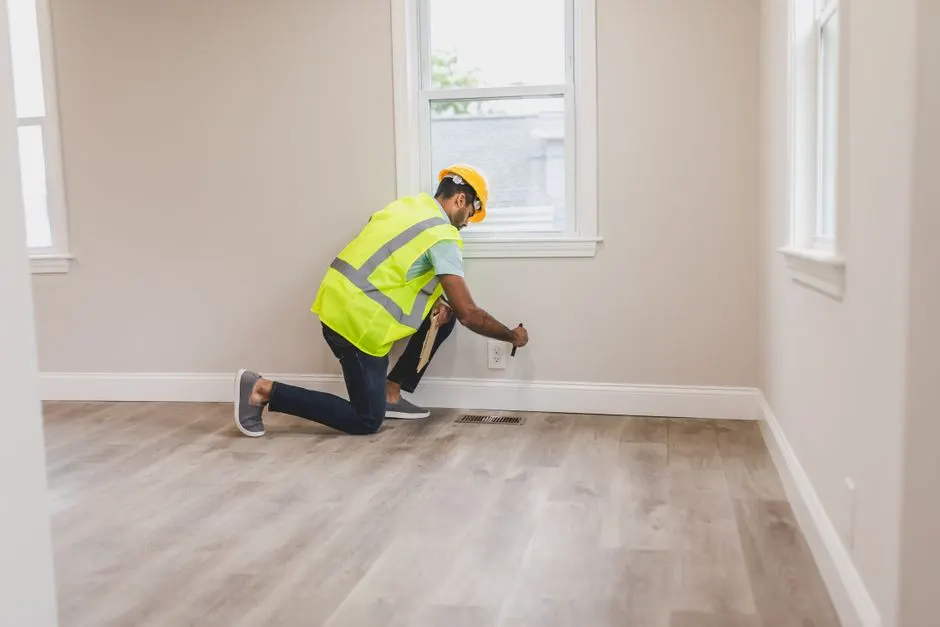
A home inspector in high visibility vest examines an electrical outlet in a modern room.
Licensed Licensed & Bonded
Fully Insured Insured & Bonded
24/7 Emergency Same-Day Response
Warranty Backed Workmanship Guaranteed in Henderson

What indoor air testing includes

A standard visit includes a discussion of your concern, an inspection of accessible areas, moisture checks where relevant, and a sampling plan tied to the findings. We document sample locations and explain results. Additional surface, bulk-material, or expanded-area sampling is added when the building evidence calls for it; not every odor requires every test.

Concern and history review

We record when the odor or visible change began, which rooms are affected, and whether a leak or repair occurred. Those details help us choose inspection points and avoid collecting samples that do not address your question.

Visual and moisture checks

We inspect accessible surfaces and use moisture meters on selected materials when conditions warrant. Findings are recorded by location, with comparisons to nearby areas where useful. A moisture reading helps guide the investigation but does not identify mold on its own.

Targeted sample collection

When sampling is appropriate, we collect air, surface, or material samples based on the concern. Sample locations are documented, and the method is chosen to answer a particular question. Laboratory analysis is handled according to the requested sample type.

Results and next steps

We review observations and laboratory findings with you, explain limitations, and identify practical next actions. Those might include correcting a leak, checking a concealed area, or following up on an HVAC concern. The report gives you a record of what was examined.

Indoor Air Quality Testing Henderson NV explained


Indoor Air Quality Testing Henderson NV is an indoor environmental investigation that checks airborne particles and building conditions when odors, moisture, or suspected mold raise concern. We begin with your symptoms and the property history, then inspect accessible rooms, HVAC areas, and likely moisture sources. An air sampling pump and spore trap cassette collect samples when sampling is appropriate; surface or bulk samples answer different questions. The goal is not to diagnose health conditions or promise a sterile home. It is to document conditions and help you decide what to address.

Henderson homes face long cooling seasons, tightly closed windows, and occasional plumbing or roof leaks that can leave water-damaged building materials behind. A room can smell musty even when visible growth is absent, especially around cabinets, closets, or air handlers. Our indoor air quality testing in Henderson, Nevada starts with the reported problem rather than a one-size-fits-all sample count. If you need a home air quality test for musty odors in Henderson, we trace the odor, check moisture, and choose sampling points that can answer a specific question.

What to expect during testing

Indoor air quality testing in Henderson follows a clear sequence: we listen to your concern, inspect the property, select appropriate samples, and explain the findings. Most visits take about 1.5 to 3 hours for a typical home, depending on size, access, and how many areas need investigation. You can point out odors, leak history, and rooms where symptoms or visible changes are most noticeable.

01

Schedule

Call or book online — a real human picks up and confirms a 2-hour arrival window.

02

Diagnose

Licensed tech inspects on-site, then walks you through the cause and your options.

03

Fix

The job is completed to code and done right the first time — no shortcuts, no surprises.

04

Guarantee

Every job backed by a written workmanship warranty — and we stand behind it.

Tools and sampling methods

Tools & Equipment

Pinless moisture meter

We scan selected surfaces for moisture patterns without inserting pins, helping identify areas that deserve closer comparison. Readings are interpreted with the material and surrounding conditions in mind.

Pin-type moisture meter

We use contact probes on appropriate materials to check a specific point more directly. The reading supports moisture mapping; it does not by itself identify mold or explain the source.

Infrared thermal camera

A thermal image shows temperature differences that can help direct further inspection around suspected moisture or air leakage. We verify notable patterns with other observations because a thermal image is not a mold test.

Air sampling pump

The pump draws a measured volume of air through a spore trap cassette at a selected location. We record the sample location and conditions so results can be interpreted alongside the inspection.

Borescope

Where access is appropriate, a borescope provides a limited view inside a concealed cavity through a small opening. It helps inspect a suspected area without opening a broad section of wall.

Methods & Standards

Targeted indoor and outdoor comparison

When the question concerns airborne particles, we select indoor locations based on the reported pattern and may collect an outdoor reference sample. We record where the pump was placed and the conditions observed. Comparing samples offers context, but it does not identify a hidden source without building evidence.

Moisture mapping

We take readings at selected points around a suspected leak or odor and compare them with nearby materials. The pattern helps direct inspection toward a source or affected area. Material type and surface conditions matter, so readings are documented rather than treated as universal pass-or-fail values.

Surface and material sampling

For visible suspect material, a sterile swab or tape-lift slide may be more relevant than an air sample. Bulk collection is considered when a material itself needs examination. We label the sample location and explain what the selected laboratory analysis can establish.

When testing makes sense

01

A Green Valley bedroom keeps smelling musty weeks after a small supply-line leak was repaired.

What we do: We inspect the repair area, nearby drywall and flooring, and the adjoining closet for moisture clues. If the findings support it, we collect a targeted air or surface sample and document its location. This keeps the investigation focused on the leak path rather than the entire home.

→ You get a clearer view of whether the repaired area needs more investigation and which material or contractor should be involved next.

02

An Anthem homeowner notices a recurring odor when the cooling system starts after windows have stayed closed.

What we do: We review the timing, inspect accessible HVAC components and nearby surfaces, and check whether moisture or visible growth is present. Sampling is chosen only if observations support a specific question about airborne conditions or a surface. We also record which system conditions were present during the visit.

→ You can separate a possible HVAC concern from an odor source in the room and act on documented observations.

03

A property manager needs to check an office after ceiling staining from roof leak moisture intrusion.

What we do: We inspect the stained area, compare adjacent materials, and use moisture readings to identify whether dampness remains. If the ceiling condition calls for sampling, we collect from relevant locations and record the basis for each sample. The report supports a clear discussion with building maintenance.

→ The manager receives a documented account of the affected area and an evidence-based follow-up path for repair or additional testing.

How Henderson testing works locally

Indoor air quality testing in Henderson needs to account for how homes are used through the long cooling season. Windows often stay closed while air-conditioning runs, so an odor near a return or interior closet may not point to the room where moisture began. We ask when the smell appears, whether it changes with the system, and whether a leak or repair occurred. That history helps us inspect likely pathways before selecting samples. In areas such as Green Valley and Seven Hills, homes may have different layouts and additions, so we focus on the actual building rather than assuming one plan fits all. For a same-day indoor air quality assessment Henderson Nevada, call to describe the concern and we can discuss scheduling. We serve Clark County and use the same evidence-led approach whether the issue is in a residence or a commercial space. Our findings describe the areas inspected and samples collected; they do not replace repairs to a roof, plumbing line, or HVAC component.

Neighborhoods We Serve

  • Green Valley

    For recurring room odors, we check the reported area alongside nearby closets, bathrooms, and cooling-system components to look for a connected moisture path.

  • Anthem

    When a leak history is part of the concern, we document affected materials and compare moisture readings around the repair rather than relying on the stain alone.

  • Seven Hills

    Room layout and HVAC airflow can change where an odor is noticed, so we record the affected locations and the system conditions during the visit.

  • Lake Las Vegas

    We focus on the reported concern and accessible building conditions, checking windows, plumbing areas, and HVAC locations when the history points there.

Local Conditions We Plan For

  • Long cooling seasons with windows and doors kept closed

    Odors can linger and move through the home as the HVAC system cycles. We ask when the smell is strongest and inspect relevant air pathways, but we do not assume the ductwork is the source without supporting evidence.

  • Localized roof or plumbing leaks followed by rapid surface drying

    A visible stain may look dry while a nearby material remains affected. We compare readings across the suspected area and its surroundings, then consider targeted sampling if the inspection identifies a specific question.

  • Condensation around cooling equipment or cold surfaces

    Condensation can create damp conditions in a limited area, especially where drainage or airflow needs attention. We inspect accessible components and adjoining materials, then document whether the evidence supports further HVAC or surface investigation.

Tracing a bedroom odor

Before

A homeowner noticed a musty smell in one bedroom after a plumbing repair. The leak was no longer visible, but the odor returned when the door stayed closed. No growth was visible on the room walls, leaving the homeowner unsure whether the issue was in the closet, wall, or air system.

After

We checked the bedroom, adjoining closet, and repaired wall, then compared moisture readings at selected points. One targeted sample and a surface check focused the follow-up on the repair area rather than the entire home. The report documented the locations and findings, giving the homeowner a specific area to discuss with the plumber.

Maintenance: Keep the repaired area accessible until follow-up work is complete. Watch for renewed odor or staining, and address any plumbing seepage promptly. Recheck the affected material after the repair rather than relying on fragrance or a quick surface wipe.

Before

A Henderson property had a ceiling stain after roof work, and the area felt dry to the touch. The manager wanted to know whether the affected room needed further action before repainting. A visual glance alone could not establish whether moisture remained above the ceiling finish.

After

We inspected the stain and surrounding ceiling, compared moisture readings at multiple points, and recorded the locations. The findings identified where a closer check was justified and where readings aligned with the surrounding material. The manager received a practical follow-up plan before cosmetic repair proceeded.

Maintenance: After the roof source is corrected, monitor the ceiling through the next cooling season for new staining or odor. Keep a record of any recurrence and have the affected area checked before covering it with new finish.

Before

An odor appeared near a hallway vent whenever the cooling system started. The homeowner suspected mold in the ducts but had no visible growth or leak history. Replacing filters had not changed the smell, and the source remained uncertain.

After

We inspected accessible HVAC areas and the nearby wall, then reviewed when the odor occurred. The assessment focused on relevant locations rather than assuming duct contamination. Any sampling was tied to the observed concern, and the homeowner received clear next steps based on the inspection and collected evidence.

Maintenance: Follow the equipment manufacturer's filter schedule and keep condensate drainage clear through periods of frequent cooling. If the odor returns, note the timing and affected rooms before arranging a follow-up; that pattern helps narrow the next inspection.

Resolve common Henderson air concerns

An odor, stain, or unexplained room difference can leave you unsure whether there is a moisture problem or an airborne issue. We use inspection and targeted testing to narrow the cause. For suspected hidden mold, the most useful answer comes from connecting sample findings to building conditions rather than relying on a single result.

Problem

Persistent musty odor with no visible growth in the room

The odor may point to a concealed damp area or an HVAC-related source, and masking it does not correct the underlying condition.

Our Fix

We trace the odor through adjacent closets, plumbing areas, and accessible HVAC components, then check selected materials for moisture. If evidence supports sampling, we choose an air or surface method that fits the location. You receive documented findings and a next step tied to the suspected source.

Problem

Air concerns after a plumbing or roof leak was repaired

Water-damaged building materials can remain damp after the visible leak stops, creating conditions that may sustain odors or growth.

Our Fix

We review the leak history, inspect affected and neighboring materials, and map moisture readings where useful. Targeted air or bulk sampling may help answer whether the affected area warrants further attention. The inspection helps distinguish a dried, repaired area from evidence that needs follow-up.

Problem

Unclear results after mold cleanup or surface cleaning

Without a documented review, you may not know whether visible residue, remaining moisture, or an unrelated source is driving the continued concern.

Our Fix

We inspect the treated area and nearby materials, note any remaining moisture, and select samples only when they can answer a closeout question. Our review addresses post-remediation mold concerns without treating one laboratory number as a stand-alone pass or fail.

Clear answers for your property

Clear answers for your property

A useful assessment connects sample results to what is happening inside your home. We document locations, visible conditions, and moisture readings so you can distinguish a likely source from a guess. You leave with findings you can act on, whether that means correcting a leak, investigating a concealed cavity, or checking the HVAC system.

  • Target the source

    We map the odor or concern to rooms, surfaces, and possible moisture pathways instead of treating the whole house as one problem. A pinless moisture meter helps screen broad areas; a pin-type moisture meter checks selected materials more directly. That contrast helps us prioritize follow-up at a suspected leak without cutting into every wall.

  • Choose useful samples

    Air samples are most useful when they answer a defined question, such as whether a room differs from an outdoor reference sample. We select locations based on airflow, occupancy, and the inspection findings. For surface growth, a tape-lift slide or sterile swab may be more informative than another airborne sample.

  • Get readable results

    We explain what each sample can and cannot establish, then connect laboratory findings with the observed conditions. Your report identifies sample locations and relevant moisture evidence, so you can discuss repairs with a contractor using concrete information rather than an unconfirmed mold identification.

  • Plan the next step

    If results point to a moisture source, we identify the practical follow-up: repair a plumbing leak, inspect a roof penetration, clean an HVAC component, or arrange further evaluation. Henderson indoor air quality testing is most valuable when it helps you choose a proportionate action instead of paying for unnecessary work.

Training and testing standards

Licensed & Certified

  • IICRC Applied Microbial Remediation Technician — issued by Institute of Inspection, Cleaning and Restoration Certification
  • ACAC Council-certified Microbial Investigator — issued by American Council for Accredited Certification
  • EPA Mold Course Certificate — issued by U.S. Environmental Protection Agency
  • OSHA Hazard Communication Standard training — issued by Occupational Safety and Health Administration

Verified Reviews

Customer feedback Not stated

A Green Valley homeowner described a focused inspection after a leak, with moisture readings near the affected wall and a sample selected for a clear reason. The explanation connected the observations to a practical repair step rather than making a broad claim from one result.

Customer feedback Not stated

An Anthem resident wanted to understand an odor near an air-conditioning vent. The visit included accessible HVAC checks and a discussion of what the sampling could establish. The homeowner valued receiving findings tied to specific locations and system conditions.

Customer feedback Not stated

A Henderson property manager requested follow-up after a roof leak. The inspection documented the stained ceiling and moisture checks, helping the manager coordinate next steps before repainting. The report made the issue easier to explain to the owner and maintenance contractor.

Practical testing expertise

Indoor environmental work requires more than placing a sampler in the middle of a room. We combine building observations, moisture mapping, and sampling choices that match the concern, then explain limitations plainly. Our approach draws on recognized mold-investigation training and established sampling practices; the exact method depends on access, materials, and the question being answered. We do not claim a sample can identify every hidden source or predict a health outcome. You get a documented investigation focused on the evidence in your Henderson property.

  • We distinguish an airborne sample from a surface or bulk-material sample and explain what each method can establish.
  • Moisture readings are recorded with the material and location so one number is not taken out of context.
  • Our inspection considers hidden mold growth, condensation-related mold, and water-damaged building materials as separate possibilities.
  • We use recognized field sampling equipment and select sample locations based on the building layout and reported concern.
  • We explain laboratory results alongside inspection findings instead of presenting a laboratory report without practical context.
Get Started Today
Practical testing expertise

Frequently Asked Questions

Real answers to the questions we hear most often from local homeowners and property managers.

What does indoor air quality testing check in Henderson?
Indoor air quality testing checks airborne particles, visible conditions, moisture clues, and likely sources relevant to your concern. We may collect air samples with a spore trap cassette and use surface sampling when growth is visible. The exact checks depend on the rooms, reported odors, and leak history. Testing does not diagnose illness or prove that every concealed area is free of mold; it documents the conditions examined and the findings from selected samples.
How much does a home air quality test cost in Henderson, Nevada?
A focused home visit commonly costs about $250 to $700 in 2026, depending on inspection time, sample count, and laboratory analysis. Larger homes, multiple affected rooms, or added surface and bulk samples raise the total. A simple moisture-and-odor investigation costs less than a multi-area sampling plan. We explain the price before work begins, and your service is selected around the question you need answered rather than a preset number of tests.
Can indoor air testing identify airborne mold?
Air testing can measure and identify types of airborne mold spores in collected samples, but it cannot locate every hidden source by itself. Results need context: indoor sample locations, an outdoor comparison when appropriate, building conditions, and moisture evidence. We use air results alongside inspection observations to assess whether elevated airborne mold spores warrant further investigation. A surface or material sample may be more useful when the concern is a specific visible patch.
When should I schedule an indoor air quality assessment in Henderson?
Schedule an assessment when a musty odor persists for more than a few days, after a leak or water intrusion, or when visible growth returns after cleaning. You should also consider testing after remediation if you need documented follow-up. For suspected mold in a Henderson home, our inspection starts by checking the affected area and moisture source; the findings determine whether air, surface, or material sampling is appropriate.

Related Mold Testing Services

Mold Inspection

A visual mold inspection helps locate conditions that may explain an air quality concern. We check accessible rooms, moisture clues, and likely sources before recommending samples. This is useful when you have an odor or water history but do not know which area deserves testing.

View Mold Inspection

Mold Testing

Mold testing uses selected air, surface, or material samples to answer a specific question raised during inspection. We help match the sample type to the concern, then explain laboratory findings alongside site observations. Testing supports an investigation; it does not replace moisture repair.

View Mold Testing

Mold Assessment and Sampling

An assessment and sampling visit combines a building review with targeted collection. We record where each sample came from and why it was selected, helping you understand the difference between an odor concern and a confirmed finding. This service is useful when you need a documented investigation.

View Mold Assessment and Sampling

Airborne Mold Spore Testing

Airborne spore testing measures particles captured at selected indoor locations and may include an outdoor reference sample. We consider room use and air movement when choosing locations. The results help assess airborne conditions but should be interpreted with moisture and inspection evidence.

View Airborne Mold Spore Testing

Surface Mold Testing

Surface testing uses a swab or tape-lift sample from a specific area, such as a suspicious mark on drywall or a cabinet backing. It can help characterize material on that surface. We pair the result with visual and moisture observations to guide the next action.

View Surface Mold Testing

Bulk Material Mold Testing

Bulk sampling collects a small piece of material for laboratory analysis when a building component is directly in question. Wallboard, carpet, or insulation samples can answer a different question than an air sample. We identify the sampled location and discuss access before collection.

View Bulk Material Mold Testing

Book Indoor Air Quality Testing Henderson NV

Persistent odors or a leak history deserve a direct investigation. Call Henderson Mold Testing at +18668968166 to describe the affected rooms and arrange a focused visit. We explain upfront pricing before testing and give you a clear account of the findings.

Call Today Schedule Testing

Contact Henderson Mold Testing

Call +1 866-896-8166 to talk through a leak, odor, visible growth, or property inspection concern in Henderson, NV. Our phone line is open Monday through Friday, 8:00 a.m. to 6:00 p.m.; we respond to messages during business hours and help plan the right inspection. We serve Clark County neighborhoods and nearby Henderson ZIP codes.

Or call us right now at +18668968166 — we answer.

Henderson Mold Testing


  • Phone

    +18668968166
  • Address

    Henderson, Nevada

  • Hours

    Mon–Fri: 7AM – 7PM
    Sat: 8AM – 4PM
    Sun: Emergency Only
    24/7 Emergency Available

Call +18668968166 Get Quote
Call Quote