Logo
Get Estimate

Residential Mold Inspection Henderson NV for Clear Answers

Find moisture sources, document mold concerns, plan practical next steps


Residential Mold Inspection Henderson NV gives you a clear look at visible and hidden moisture concerns before damage spreads. We inspect homes for leaks, damp building materials, persistent odors, and other signs that call for testing. Our home mold inspection Henderson NV service is useful after a plumbing leak, before a property purchase, or when a room still smells musty after cleanup. You receive observations and a straightforward path forward.

A family exploring a modern home with a real estate agent, featuring industrial interior design.
Licensed Licensed & Bonded
Fully Insured Insured & Bonded
24/7 Emergency Same-Day Response
Warranty Backed Workmanship Guaranteed in Henderson

What Your Home Inspection Includes

A standard visit covers a review of your concern, visual inspection of accessible areas, moisture checks at relevant materials, and a clear discussion of findings. We record locations and explain instrument limits. Laboratory sampling, opening finished walls, remediation, and repairs are separate tasks selected only when they answer a defined question; you will know the pricing before proceeding.

Concern and History Review

We ask when the issue began, where water appeared, what repairs have been made, and whether odors or staining have changed. That timeline helps focus the inspection and prevents unrelated rooms from being treated as part of the same problem without evidence.

Visual Building Check

We inspect accessible surfaces around the reported area, including nearby plumbing fixtures, windows, ceilings, and trim. We note visible discoloration, material changes, condensation, and likely water paths, while distinguishing observations from laboratory-confirmed identification.

Moisture Measurements

We compare readings at suspect areas with nearby reference points using appropriate moisture meters. The readings help identify damp materials and guide follow-up, but they are recorded as measurements at particular locations rather than a standalone mold diagnosis.

Findings and Next Steps

We explain what the inspection supports, which areas remain inaccessible, and whether targeted sampling or repair follow-up would be useful. You receive a practical summary of the observed issue and the next action, such as correcting a leak or checking drying progress.

Residential Mold Inspection Henderson NV: What It Covers


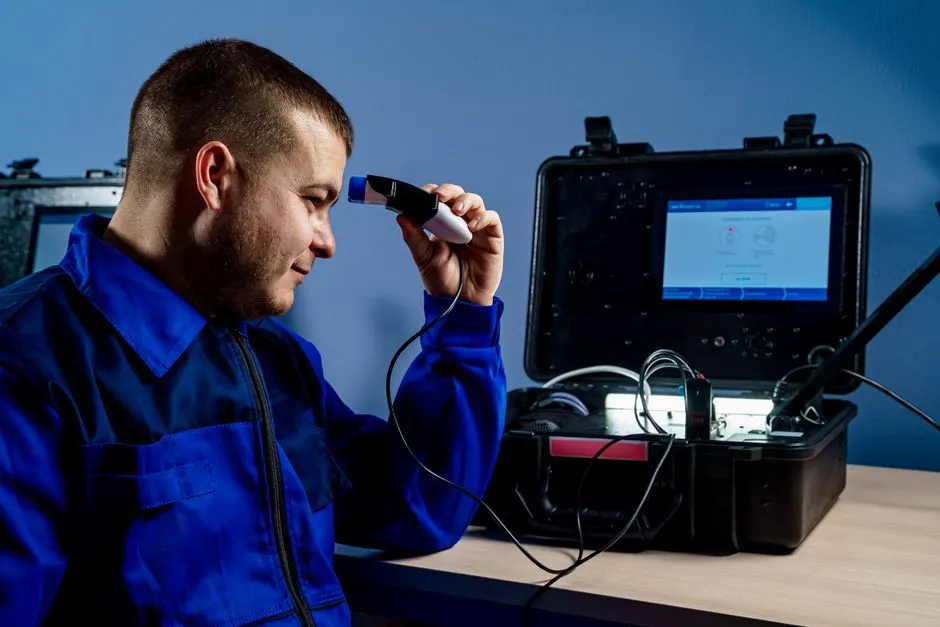
Residential Mold Inspection Henderson NV is a property assessment that locates moisture conditions and evaluates suspected mold growth so homeowners can choose appropriate next steps. We review the reported history, inspect accessible rooms and building surfaces, and use a pinless moisture meter or pin-type moisture meter to compare readings around stains, plumbing fixtures, windows, and other risk points. An infrared thermal camera can help identify temperature patterns that warrant closer moisture checks, but it does not identify mold by itself. Sampling is selected when it answers a specific question; visual inspection and moisture evidence remain central.

Henderson homes face dry outdoor air for much of the year, but indoor leaks, condensation, roof leak moisture intrusion, and HVAC issues can still leave damp materials concealed behind finishes. Our Henderson residential mold inspection looks for the source and extent of conditions rather than treating a stain as proof of a particular species. If you need a home mold inspection after a plumbing leak Henderson, we focus first on the repaired line, adjoining cabinets or wallboard, and the route water may have travelled. We serve Clark County with practical, location-aware inspections.


What to Expect During Inspection

Residential Mold Inspection Henderson NV follows a practical sequence: understand the history, inspect accessible areas, measure moisture, and document findings. We explain each step as we move through your home, so you know why a room or material is being checked. Most single-family visits take about two to four hours, depending on size, access, and the number of affected areas.

01

Schedule

Call or book online — a real human picks up and confirms a 2-hour arrival window.

02

Diagnose

Licensed tech inspects on-site, then walks you through the cause and your options.

03

Fix

The job is completed to code and done right the first time — no shortcuts, no surprises.

04

Guarantee

Every job backed by a written workmanship warranty — and we stand behind it.

Inspection Tools and Methods

Tools & Equipment

Pinless moisture meter

We scan suitable surfaces without inserting pins, comparing suspect areas with nearby reference points. It helps locate moisture patterns while minimizing marks on finished materials.

Pin-type moisture meter

We use pins where a direct material reading is useful and access is appropriate. The readings help assess dampness in wood or other compatible materials at specific points.

Infrared thermal camera

Temperature patterns guide closer inspection of areas that may differ from surrounding surfaces. We verify anomalies with direct moisture checks because thermal images do not confirm mold or water by themselves.

Air sampling pump and spore trap cassette

An air sampling pump draws a measured volume through a cassette for laboratory analysis when airborne conditions are part of the question. We record collection location and context.

Borescope

A borescope can view a limited concealed space through a suitable small opening. We use it to inspect a targeted cavity when access is justified and available.

Methods & Standards

Moisture comparison mapping

We record readings at the suspected wet area and compare them with nearby materials of similar type. This provides context for the measurement and helps define the affected boundary. A meter does not identify mold, so we combine readings with visual observations, leak history, and material conditions before recommending the next step.

Targeted air sampling

When airborne sampling is useful, we select the indoor location and any comparison location based on the question being investigated. We use a measured collection and label the sample clearly for laboratory analysis. Results represent the air collected at that place and time, so interpretation considers room use, ventilation, and visible moisture evidence.

Surface and material collection

A suspicious surface can be sampled with a sterile swab or tape-lift slide; a material question may require a small bulk sample. We document where each sample came from and why it was collected. That chain between location, method, and question makes laboratory findings more useful for a repair decision.

When to Schedule a Home Inspection

01

A supply line leaks beneath a Henderson kitchen sink, and the cabinet still smells musty after the plumber repairs it.

What we do: We inspect the cabinet floor, adjoining wall, toe kick, and nearby flooring for moisture patterns. The visit focuses on whether materials remain damp and whether the affected area extends beyond the visible leak. If testing is appropriate, we explain what a sample could answer before collecting it.

→ You learn which surfaces need drying or repair and can give the contractor specific locations instead of relying on the original puddle boundary.

02

A homeowner in Green Valley sees a ceiling mark return after a winter rain and wants to check the attic side.

What we do: We inspect the ceiling and accessible attic surfaces for moisture evidence, staining patterns, and possible roof entry points. We record accessible conditions and distinguish an active damp area from a dry historic mark. If the source is outside the inspection area, we identify the appropriate follow-up location.

→ You get a clearer basis for coordinating roof repairs and deciding whether affected drywall or insulation needs further evaluation.

03

A buyer notices a persistent odor during a walkthrough in Seven Hills and wants answers before closing.

What we do: We focus on the rooms and materials connected to the odor, check accessible plumbing and window areas, and document visible and moisture-related observations. If the concern calls for laboratory analysis, we recommend a targeted sample rather than treating a brief walkthrough as a full diagnosis.

→ You can discuss documented findings and specific follow-up questions with the seller or real-estate team before making a repair plan.

How Residential Mold Inspections Work in Henderson

Residential Mold Inspection Henderson NV reflects the local combination of long dry periods and occasional intense moisture events. Low outdoor humidity does not prevent indoor mold when a supply line leaks, a roof opening admits rain, or an air-conditioning system creates condensation. We check the source and affected materials, not just the room where a stain appears. Homes in Green Valley, Anthem, and older parts of Downtown Henderson can have different layouts and access conditions, so we adapt the inspection to the building rather than using a fixed checklist. Our house mold inspector Henderson approach records the room, surface, and moisture evidence behind each finding. If you need a same-day house mold inspector in Henderson, call with the affected area and leak history so we can discuss the soonest suitable appointment. We serve Clark County and provide findings that help you coordinate source repair, drying, or targeted testing. Nevada homeowners should also keep repair records and any applicable permits with the property file; inspection observations do not replace building-code review or repair authorization.

Neighborhoods We Serve

  • Green Valley

    Kitchen and bathroom leak calls often center on vanity bases, cabinet toe kicks, and adjoining drywall. We compare readings around the reported repair to identify whether moisture extends beyond the visible footprint.

  • Anthem

    A recurring ceiling mark after seasonal rain makes the attic and roof-side context useful where access allows. We document the accessible evidence and distinguish a dry historic stain from current moisture indicators.

  • Downtown Henderson

    Older layouts and later renovations can leave plumbing routes or wall transitions difficult to infer. We focus checks around the reported room and follow moisture patterns rather than assuming the nearest visible fixture is the source.

Local Conditions We Plan For

  • Dry outdoor air contrasts with indoor plumbing leaks and HVAC condensation.

    The region's dry conditions can make a wet spot seem unusual, but a small indoor leak can keep drywall, cabinetry, or carpet backing damp. We measure the material and nearby reference areas instead of using outdoor humidity as a reason to dismiss a concern.

  • Short, heavy rain can expose roof or window entry points.

    Water can travel along framing or insulation before appearing as a ceiling mark. We check the visible stain and accessible adjoining areas, then explain whether a roofer or additional cavity access is the practical next step.

Kitchen Leak With Hidden Dampness

Before

A homeowner found a small puddle under the kitchen sink and had the supply line repaired. The cabinet looked dry the next morning, but a musty smell remained and the baseboard felt slightly cool. No one knew whether water stayed under the cabinet or reached the adjoining wall.

After

We checked the cabinet base, toe kick, and nearby wall, comparing each area with dry reference points. Readings showed a focused damp zone extending several inches beyond the visible spill. The homeowner received a clear repair area and a plan to recheck after drying, rather than removing the full cabinet run.

Maintenance: Keep the cabinet clear while materials dry, check the repaired connection for new drips, and use a simple leak alarm where practical. Recheck the same marked locations after 24-48 hours before reinstalling stored items.

Before

A ceiling stain returned after a roof patch, although the surface felt dry by touch. The homeowner was concerned about hidden growth and did not know whether the attic insulation or ceiling board remained affected.

After

We compared the ceiling stain with adjacent surfaces and inspected the accessible attic area. Measurements did not show active dampness at the ceiling during the visit, while the attic showed a location needing roof follow-up. The documented distinction helped the homeowner direct the next inspection to the roof entry point.

Maintenance: After roof work, check the same ceiling and attic locations following the next rain. Photograph any change and arrange a follow-up moisture check if staining expands, readings rise, or an odor develops.

Before

A spare room in Green Valley smelled musty after being closed for several weeks. There was no obvious stain, and the homeowner had already cleaned the window sill without changing the odor.

After

We inspected the window, baseboards, and nearby register, then checked moisture conditions at likely surfaces. No single wet source was evident, so the homeowner chose targeted sampling for the defined room-air concern. The results and inspection notes gave a more useful basis for deciding whether further investigation was needed.

Maintenance: Air the room when weather allows, keep the HVAC return unobstructed, and watch for condensation at the window. If the odor returns, record when it occurs and whether heating or cooling operation changes it.

Find the Source Behind Musty Odors

A lingering odor or recurring stain can leave you unsure whether the problem is active, hidden, or unrelated to mold. Our inspection connects the symptom with moisture evidence and building conditions. A mold check for a Henderson house with musty odors starts with the affected room and follows likely paths rather than assuming the source.

Problem

A repaired plumbing leak leaves the vanity base and adjacent wall smelling damp.

Moisture trapped behind a cabinet or baseboard can remain after visible water is gone, allowing materials to deteriorate and odors to persist.

Our Fix

We inspect the repaired area and surrounding surfaces, compare moisture readings, and check how far water may have travelled. If a cavity remains suspect, we explain targeted access or sampling options. You get a location-based record that helps your plumber or repair contractor address the wet material rather than replacing unrelated finishes.

Problem

A ceiling stain returns after rain despite a previous roof patch.

Recurring staining can signal unresolved roof leak moisture intrusion, wet insulation, or water moving along framing before appearing indoors.

Our Fix

We examine the ceiling and accessible attic area, record moisture conditions, and look for a pattern consistent with intrusion or condensation. We do not call a stain mold based on color. Findings help you coordinate roof work and identify whether affected drywall or insulation requires a closer assessment.

Problem

Musty odor continues in a room with no visible growth.

Odor without visible evidence can come from hidden damp materials, HVAC concerns, drains, or other sources; guessing can lead to unnecessary demolition.

Our Fix

We trace likely locations using visual checks, moisture readings, and targeted investigation. If the evidence points to a concealed space, we discuss the smallest useful access point and whether a borescope or sample would clarify the concern. The goal is a supported next step, not a broad assumption.

Useful Findings, Clear Next Steps

Useful Findings, Clear Next Steps

A good inspection helps you separate a cosmetic mark from an active moisture problem. We connect visible evidence, moisture readings, and any agreed sampling to a concise explanation you can use with a repair contractor, property manager, or real-estate professional. You leave knowing what we checked and what deserves attention next.

  • Trace Moisture Early

    We map suspect surfaces and compare readings across affected and unaffected areas, helping you find a leak path before more drywall, trim, or flooring is opened. A residential mold assessment Henderson NV can focus on a single bathroom or follow moisture through adjoining rooms when readings indicate a wider pattern.

  • Clarify Odor Sources

    Persistent musty odors do not prove mold, but they deserve a careful search for damp materials, drain issues, or HVAC concerns. We check likely sources and explain what the inspection supports, avoiding inaccurate or unconfirmed mold identification based only on smell or color.

  • Target Sampling Precisely

    When sampling is useful, we choose a method based on the question: air for airborne conditions, a surface sample for a suspicious spot, or a material sample when the substrate matters. That helps keep testing focused rather than collecting samples without a reason.

  • Support Repair Decisions

    You get observations tied to locations and moisture evidence, so a contractor can address the source instead of covering a stain. After repairs, we can help define a follow-up inspection or post-remediation test based on the affected area and the work completed.

Field Knowledge That Helps

Our local experience is built around the questions homeowners actually bring us: where did the water travel, is the material still damp, and what evidence supports a mold concern? We inspect the building first and use sampling to answer specific questions, not as a substitute for checking moisture. When laboratory analysis is selected, we use recognized collection practices and route samples to an appropriate laboratory. We explain the limits of each instrument and keep observations tied to actual rooms and materials, so your next decision is based on evidence you can discuss with a contractor or property professional.

  • We use pinless and pin-type moisture meters to compare readings across drywall, trim, cabinetry, and nearby reference surfaces.
  • An infrared thermal camera helps locate temperature anomalies that deserve direct moisture verification; it does not identify mold species.
  • Air samples can use Zefon or Allergenco spore trap cassettes when airborne comparison is relevant to the inspection question.
  • Surface collection may use sterile swabs or tape-lift slides, with locations recorded so results remain connected to the observed area.
  • We distinguish inspection work from remediation work and describe findings without presenting a visual stain as laboratory-confirmed mold.
Get Started Today
Field Knowledge That Helps

Residential Mold Inspection Questions

Real answers to the questions we hear most often from local homeowners and property managers.

How much does residential mold inspection cost in Henderson?
A focused Henderson home inspection often costs about $250-$600 in 2026, with larger or more complex visits ranging from $600-$950. Price depends on home size, the number of affected areas, access, moisture mapping, and whether laboratory samples are requested. We explain upfront pricing before the visit. A sampling fee and laboratory analysis can add cost, so we match testing to a specific question rather than automatically sampling every room.
What should I expect during a home mold inspection in Henderson, Nevada?
Expect a two-to-four-hour visit for many single-family homes, including a history review, visual inspection, moisture checks, and a findings discussion. We inspect accessible areas around the reported concern and compare suspect readings with nearby materials. If sampling is useful, we explain the method and collect it by location. A home mold inspection in Henderson, Nevada is not a guarantee that every concealed cavity is mold-free; opening finished walls requires separate access work.
When should I have my Henderson house inspected for mold?
Arrange an inspection promptly after a leak, repeated condensation, persistent musty odor, or visible growth that returns after cleaning. If water affected drywall or flooring for more than 24-48 hours, checking moisture and drying progress is especially useful. We also inspect before a property purchase or after remediation when you need documented conditions. A mold check for a Henderson house with musty odors starts by tracing the odor to moisture or another likely source.
Can a home mold inspection find mold behind walls?
A home inspection can identify clues to hidden growth, but it cannot confirm every wall cavity without access or targeted sampling. We use moisture readings, thermal patterns, and visible indicators to locate areas that merit further investigation. Where appropriate, a borescope can look through a small access opening, while a wallboard sample requires material access. Results help you decide whether opening a specific section is justified rather than removing an entire wall.

Related Home Inspection Services

Mold Inspection

A broader mold inspection can address concerns beyond one living area, such as an attic, crawl space, or HVAC zone. In Henderson, we connect each observation to moisture evidence and explain which locations need closer testing, giving you a property-wide view when a single-room visit is not enough.

View Mold Inspection

Mold Testing

Testing adds laboratory analysis when visual and moisture observations cannot answer an identification or airborne-condition question. We select a sample type, label its exact location, and explain what the result can and cannot establish for your Henderson home.

View Mold Testing

Indoor Air Quality Testing

Indoor air quality testing can help investigate airborne particles, odors, or a concern that extends beyond one visible surface. We plan the collection locations around how you use the rooms and interpret results alongside moisture findings, not as a stand-alone diagnosis.

View Indoor Air Quality Testing

Mold Assessment and Sampling

A focused assessment and sampling plan identifies which surfaces or air locations deserve collection and why. We document the question, method, and sample location so results can support a repair decision instead of producing numbers without context.

View Mold Assessment and Sampling

Airborne Mold Spore Testing

Airborne testing uses controlled collection to evaluate spores in selected indoor locations, often with an outdoor comparison when conditions allow. We choose this option when the concern involves room air or post-remediation conditions, and explain that a sample represents a specific place and time.

View Airborne Mold Spore Testing

Surface Mold Testing

Surface testing can help characterize material on a suspicious spot when appearance alone is inconclusive. We may collect with sterile swabs or tape-lift slides and record the surface and room, allowing you to connect laboratory findings with the actual area inspected.

View Surface Mold Testing

Book Residential Mold Inspection Henderson NV

A leak, odor, or recurring stain deserves a clear answer before more material is affected. Call Henderson Mold Testing at +1 866-896-8166 to describe the location and history; our team will help arrange the right inspection. You will receive upfront pricing before the visit.

Call Our Team Book Inspection

Contact Henderson Mold Testing

Call +1 866-896-8166 to talk through a leak, odor, visible growth, or property inspection concern in Henderson, NV. Our phone line is open Monday through Friday, 8:00 a.m. to 6:00 p.m.; we respond to messages during business hours and help plan the right inspection. We serve Clark County neighborhoods and nearby Henderson ZIP codes.

Or call us right now at +18668968166 — we answer.

Henderson Mold Testing


  • Phone

    +18668968166
  • Address

    Henderson, Nevada

  • Hours

    Mon–Fri: 7AM – 7PM
    Sat: 8AM – 4PM
    Sun: Emergency Only
    24/7 Emergency Available

Call +18668968166 Get Quote
Call Quote