Logo
Get Estimate

HVAC and Air Duct Mold Inspection Henderson NV

Find moisture, check ductwork, and understand what comes next.


HVAC and Air Duct Mold Inspection Henderson NV helps homeowners and property managers investigate musty odors, visible growth, water leaks, and unexplained indoor air concerns. Our inspection follows the air handler, accessible ductwork, filters, drain pan, and nearby materials to locate moisture and identify where sampling could answer a specific question. If you need heating and cooling system mold inspection Henderson NV, we explain our findings in plain language and help you choose a practical next step.

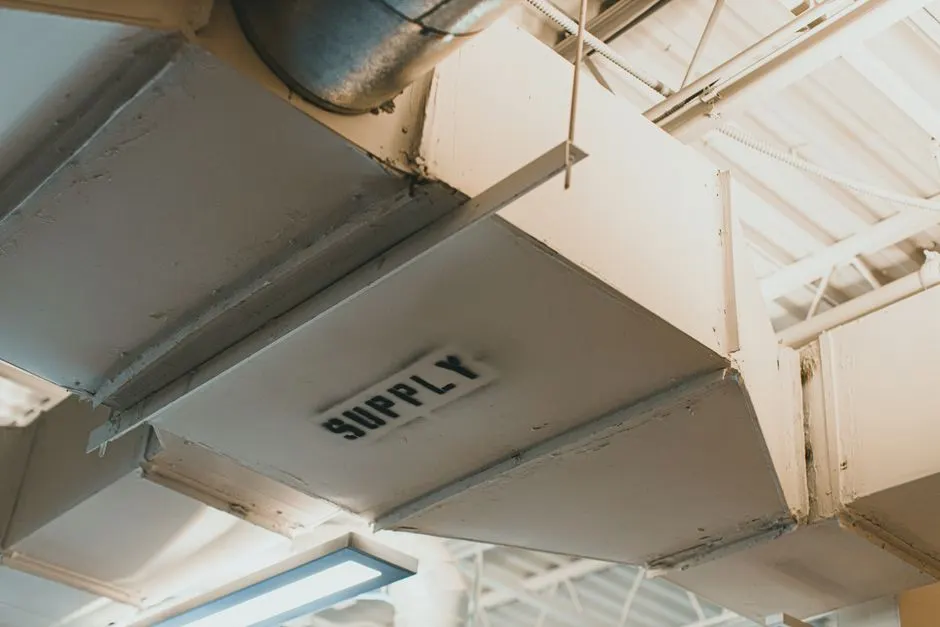
Close-up view of an air duct labeled 'SUPPLY' in an industrial setting.
Licensed Licensed & Bonded
Fully Insured Insured & Bonded
24/7 Emergency Same-Day Response
Warranty Backed Workmanship Guaranteed in Henderson

What HVAC Mold Inspection Covers

Your inspection covers accessible HVAC components and nearby materials relevant to the reported concern. We review system layout, look for visible suspect growth and water staining, check selected surfaces for moisture, and document areas that cannot be reached. Sampling and laboratory analysis are added when they answer a specific question; equipment disassembly, duct cleaning, leak repair, and remediation are separate trade work.

Air Handler Review

We inspect accessible areas around the air handler, filter slot, condensate pan, and drain connection for visible residue, water staining, and conditions that could support growth. We note the component and location so you can share a useful description with your HVAC service contractor.

Accessible Duct Checks

We inspect reachable supply and return openings and duct surfaces for suspect material, dust patterns, and moisture evidence. Where a selected cavity needs a closer look, a borescope can help assess it without removing a large section of finished ceiling.

Moisture And Material Review

We use appropriate moisture meters to check suspect surfaces around equipment and duct routes. Nearby drywall, insulation, or flooring is included when it appears affected by a leak or condensation. Readings are documented with location context rather than presented as a stand-alone mold test.

Targeted Sampling Options

If the inspection points to a question that sampling can answer, we collect a suitable air or surface sample and document its location. Laboratory analysis is an additional step, and we explain the purpose before collection so you know what the result can and cannot establish.

HVAC and Air Duct Mold Inspection Henderson NV


HVAC and Air Duct Mold Inspection Henderson NV is a building inspection service that checks accessible heating and cooling equipment, ductwork, and nearby materials for moisture conditions and suspected mold growth. We inspect the air handler, evaporator coil access, condensate pan and drain, filter slot, supply and return openings, and visible insulation. A pinless moisture meter helps screen surfaces without piercing them; a borescope can look into selected cavities. Sampling is used when it answers a defined question, not as a substitute for inspecting the source of moisture.

Henderson homes face long cooling seasons, hot attics, and sharp indoor-to-outdoor temperature changes that can contribute to condensation when insulation, drainage, or airflow is poor. A roof leak or plumbing leak can also wet drywall or insulation beside a duct run. Our Henderson HVAC and air duct mold inspection connects the visible evidence to likely moisture pathways. If you are searching for an air duct mold check for a Henderson home, we examine the system and document what is accessible, what needs testing, and what should be corrected.

What To Expect During Inspection

HVAC and air duct mold inspection in Henderson, Nevada follows a practical sequence: hear the concern, trace visible evidence, check moisture, and sample only where it adds information. A typical residential visit takes about 2 to 4 hours, depending on system access, building size, and the number of areas involved. We tell you what we are checking as we move through the system.

01

Schedule

Call or book online — a real human picks up and confirms a 2-hour arrival window.

02

Diagnose

Licensed tech inspects on-site, then walks you through the cause and your options.

03

Fix

The job is completed to code and done right the first time — no shortcuts, no surprises.

04

Guarantee

Every job backed by a written workmanship warranty — and we stand behind it.

Inspection Tools And Methods

Tools & Equipment

Pinless moisture meter

Screens accessible building materials for moisture without puncturing the surface. We use comparative readings around suspect HVAC areas to locate materials that need closer inspection.

Pin-type moisture meter

Checks a selected material with probe readings when a more direct moisture measurement is useful. We document where the reading was taken and interpret it alongside visible conditions.

Infrared thermal camera

Shows surface temperature differences that can direct attention to possible condensation or moisture patterns. Thermal images guide follow-up checks; they do not identify mold by themselves.

Borescope

Provides a view into selected, accessible duct or cavity areas through a small opening. It can help assess a suspected location while limiting unnecessary disturbance to finished surfaces.

Air sampling pump and spore trap cassette

Collects airborne particles at a measured location when air sampling is appropriate. We record the sample location and conditions so laboratory results can be considered alongside the inspection.

Sterile swabs and tape-lift slides

Collect material from a defined surface when suspected growth needs laboratory identification. The method is selected to suit the surface and the question being investigated.

Methods & Standards

Moisture-first inspection

We trace the reported concern through the HVAC system and surrounding building materials, looking for the water source or condensation condition that could support growth. Visible findings, instrument readings, and inaccessible areas are documented separately. This keeps the inspection focused on cause as well as appearance.

Targeted air sampling

Air sampling is selected when a specific airborne concern needs investigation, not as a default for every odor. We identify relevant indoor locations and HVAC operating conditions, collect with appropriate equipment, and document the sample. Laboratory findings are interpreted with the physical inspection rather than treated as a stand-alone verdict.

Surface sampling

When a suspect surface needs identification, we collect a sample from a clearly defined location using a suitable technique. We label and document the point, then compare the laboratory result with moisture and visual observations. This helps avoid treating a test result as proof of the source or extent of a problem.

Building-system context

We consider how air moves through the return, filter, air handler, and supply ducts, while also checking nearby wall, attic, or closet materials where accessible. A leak or condensation source can sit outside the duct itself. The method connects system observations to the surrounding structure.

When To Schedule An Inspection

01

A Henderson homeowner notices a musty odor from the bedroom vents after the cooling system runs.

What we do: We trace the odor through the room, return pathway, filter area, and accessible air handler components. We check for moisture and visible suspect material, then recommend targeted sampling only if the inspection leaves a specific identification question.

→ You learn which HVAC or nearby area deserves attention and whether the evidence supports moisture correction, sampling, or a separate HVAC service call.

02

A condensate drain backs up during a hot spell and water reaches the air handler closet.

What we do: We document the affected surfaces, use moisture readings around the unit, and inspect adjacent drywall or insulation for water damage. The inspection identifies visible conditions for follow-up while a qualified HVAC contractor addresses the drain fault.

→ You have a record of wet materials and suspect growth before repairs conceal the affected area or the next cooling cycle spreads the problem.

03

A roof leak wets attic insulation and ductwork above a Henderson home.

What we do: We inspect accessible duct exteriors and nearby attic materials, checking for moisture and staining along the leak path. If needed, we assess selected materials with sampling and identify whether the concern appears confined to the attic or also affects interior HVAC openings.

→ You can coordinate roof repair and material replacement using documented locations, rather than relying on the odor or a visible stain alone.

04

A property manager receives repeated odor complaints after HVAC work or mold cleanup.

What we do: We review the reported rooms, inspect accessible equipment and duct openings, and assess nearby materials for remaining moisture or suspect growth. If verification is the goal, we discuss post-remediation sampling tied to the completed work and documented inspection areas.

→ You receive findings that help separate a remaining mold concern from an HVAC maintenance issue and plan a focused follow-up.

How HVAC Inspection Works In Henderson

Henderson's long cooling season places heavy use on air handlers and condensate drains. In November, systems may still cycle during warm afternoons even as cooler nights create temperature swings around ductwork and attic spaces. We ask when the odor or water appears, then inspect the system under the conditions that match your concern. Heating and cooling system mold inspection Henderson NV includes the equipment and accessible building materials that could explain the symptom, not just the nearest grille. Homes in Green Valley, Anthem, and older parts of Henderson have different layouts, attic access, and equipment placement. A duct routed through a hot attic may have different moisture clues from an air handler in a closet or garage. If you need ductwork mold assessment near Anthem Henderson Nevada, we document accessible areas and identify blocked or concealed locations clearly. We serve Clark County, including properties in ZIP codes 89044, 89052, and 89074. We do not assume a dark surface is mold or that every odor originates inside the duct; we follow the moisture and inspection evidence.

Neighborhoods We Serve

  • Green Valley

    Closet-mounted air handlers and nearby return pathways can make an odor seem stronger in a hallway. We inspect the equipment area and affected rooms together.

  • Anthem

    Attic duct runs and roof leak paths deserve attention after water intrusion. We document accessible duct exteriors and any stained insulation or drywall.

  • Downtown Henderson

    Older property layouts can include concealed chases or limited equipment access. We record what is visible and explain where a targeted follow-up would add evidence.

  • Lake Las Vegas

    A system with multiple zones can produce different room-by-room symptoms. We note which zones and registers are affected before tracing the accessible air path.

Local Conditions We Plan For

  • Extended cooling use stresses condensate drainage during hot periods

    A blocked or poorly draining pan can wet the air handler closet and nearby materials. We check the drain area and document moisture evidence, while an HVAC contractor handles mechanical correction.

  • Hot attic spaces expose ducts and insulation to temperature swings

    Temperature differences can contribute to condensation where insulation or air sealing is compromised. We inspect accessible surfaces and use temperature patterns only as a guide for direct moisture checks.

  • Roof or plumbing leaks reach HVAC-adjacent building materials

    Water can travel beyond the visible stain into insulation, drywall, or a duct chase. We map accessible moisture and relate it to the system so repairs address the pathway as well as the visible damage.

Recurring Odor At Bedroom Vents

Before

A Green Valley homeowner noticed a musty odor in two bedrooms whenever cooling started. The registers showed dark dust, but there was no clear source. Earlier surface cleaning had not changed the smell, and the homeowner did not know whether the duct, air handler, or nearby wall was involved.

After

Inspection found moisture staining beside the air handler and no visible growth at the two accessible supply openings. A targeted surface sample was collected from the stained material for laboratory analysis. The homeowner had a documented location to address instead of treating the entire duct system as contaminated.

Maintenance: After the moisture source was corrected, the homeowner checked the condensate drain monthly during heavy cooling use and replaced the filter on its stated schedule. A follow-up inspection focused on the previously affected area.

Before

A backed-up condensate line left water on the floor of a Henderson utility closet. The water was removed, but the baseboard and lower drywall remained discolored. The owner wanted to know whether the wet area had reached insulation or created a mold concern before repairs began.

After

Moisture mapping identified elevated readings across a 3-foot section of lower drywall, while adjacent wall areas measured drier. The inspection documented the affected boundary and found no visible growth on accessible air handler surfaces. The owner used the locations to guide material removal and drain repair.

Maintenance: The owner arranged drain correction and monitored the closet after two cooling cycles. Keeping the drain pan and line clear and checking for a new water mark helped catch a recurrence before the wall finish was restored.

Before

After roof leak moisture intrusion, a homeowner near Anthem found wet insulation above a duct branch and noticed an odor in a nearby room. The roof repair stopped the leak, but the homeowner needed to understand whether the HVAC route or only the attic materials were affected.

After

The inspection documented a 6-foot area of stained insulation along the leak path and checked accessible duct surfaces and the room's supply opening. No visible growth was found at the opening; targeted material sampling was discussed for the affected insulation. The findings separated the known attic damage from unconfirmed duct concerns.

Maintenance: After roof and insulation work, the homeowner checked the ceiling and attic access area after the next substantial rainfall. Keeping a record of the affected duct branch made later review straightforward if the odor returned.

Problems A Ductwork Mold Assessment Finds

An odor at a vent is a symptom, not a diagnosis. Ductwork mold assessment Henderson NV traces the concern through accessible HVAC components and nearby materials, then checks whether moisture supports the suspicion. We help you separate a drain or leak issue from visible growth and decide whether targeted testing will add useful evidence.

Problem

Musty odor returns each time the cooling system starts

The odor can disrupt several rooms and point to a damp component, dirty condensate area, or nearby material. Without locating its source, repeated cleaning may not resolve it.

Our Fix

We compare where and when the odor appears with the HVAC layout, then inspect the return, filter area, drain pan, and accessible duct sections. Moisture readings and targeted sampling help distinguish an HVAC source from a nearby wall, attic, or plumbing concern.

Problem

Visible dark spotting appears around a supply register

The mark may be mold, dust, or another deposit, and cleaning it without checking moisture can leave the underlying condition untouched.

Our Fix

We document the surface, inspect the register and accessible duct opening, and check the surrounding material for dampness or condensation patterns. If appearance alone cannot identify the deposit, we discuss a surface sample and explain the result in context.

Problem

Condensate overflow wets the air handler closet

Water can damage baseboards, drywall, or insulation and may support hidden mold growth if the area stays damp after the overflow.

Our Fix

We map moisture around the unit and inspect accessible adjacent materials for staining and suspected growth. Our findings help you direct drain correction to an HVAC contractor and determine whether affected building materials need additional evaluation.

Problem

Airborne particles concern persists after cleanup

If the moisture source remains or the affected area was not identified, an odor or indoor air concern can continue despite surface cleaning.

Our Fix

We reassess accessible HVAC components and the original affected area, review moisture conditions, and select air or surface sampling only when it fits the question. The report distinguishes post-remediation mold concerns from a confirmed ongoing source.

Clear Findings, Practical Next Steps

Clear Findings, Practical Next Steps

HVAC concerns are easier to resolve when you know whether the issue is visible growth, moisture, a drainage fault, or an odor with no confirmed mold source. We inspect the components that matter, explain any limits on access, and connect observations to useful next steps. You leave with a clear account of what we found rather than a guess based on odor alone.

  • Locate Moisture Sources

    We check the condensate pan, drain line, nearby insulation, and accessible surfaces for dampness or staining. A pin-type moisture meter can verify a suspect spot with a small probe reading where appropriate. Identifying moisture helps you address the condition feeding growth instead of treating only an odor or surface mark.

  • Inspect Beyond The Register

    A grille is only one part of the air path. We look at accessible return and supply openings, the air handler, filter seating, and visible duct interiors. If a concern lies beyond direct sight, a borescope can inspect a selected area without opening a large section of finished ceiling.

  • Use Sampling With Purpose

    When visual inspection cannot settle a specific concern, we discuss targeted sampling. An air sampling pump with an Air-O-Cell spore trap cassette can collect airborne particles for laboratory analysis, while a sterile swab can sample a defined surface. Results support an inspection; they do not replace moisture diagnosis.

  • Get A Usable Record

    You receive observations tied to locations, photographs where useful, moisture readings, and any laboratory results ordered for the inspection. The record can help you discuss a leak repair, HVAC service, or remediation plan with the appropriate contractor. We keep the findings focused on your building and the question you need answered.

Training And Inspection Standards

Licensed & Certified

  • ACAC Council-certified Microbial Investigator — issued by American Council for Accredited Certification
  • IICRC Applied Microbial Remediation Technician — issued by Institute of Inspection, Cleaning and Restoration Certification
  • EPA Mold Course Certificate — issued by U.S. Environmental Protection Agency
  • OSHA Hazard Communication Standard training — issued by Occupational Safety and Health Administration

Verified Reviews

Google Not stated

Our Green Valley air handler had a damp smell, and the inspection pinpointed moisture near the drain instead of blaming every duct. The findings were explained clearly, including what the moisture readings showed and what they did not prove. We had a practical next step for the HVAC contractor.

Google Not stated

After a small leak near a duct in Anthem, we wanted the affected area checked before repairs. The inspector looked at accessible ductwork, nearby drywall, and the attic side, then documented the wet materials. It was useful to have the visible evidence separated from anything that would need a lab sample.

Yelp Not stated

We called about an odor that returned every time the system ran. The inspection covered the return, filter area, and air handler, and we received a straightforward explanation of the results. No unnecessary testing was pushed; the sample discussion was tied to one specific area.

Field Knowledge And Method

Our local experience covers residential and commercial mold investigations where HVAC equipment, ductwork, and building moisture overlap. We approach the system as part of the building: an odor near a register can originate from a drain pan, a wet return cavity, a roof leak, or materials beside the equipment. We use inspection and sampling methods suited to the question, document limitations, and distinguish suspected growth from laboratory-confirmed identification. Where remediation is needed, we help you understand the findings and coordinate the next trade without presenting inspection as a repair.

  • Moisture mapping connects HVAC observations with roof leak moisture intrusion, plumbing leaks, and damp building materials.
  • Air sampling uses a pump and spore trap cassette when an airborne comparison can clarify a specific indoor concern.
  • Surface sampling uses sterile swabs or tape-lift slides to document suspected growth at a defined location.
  • Reports separate visible evidence, instrument readings, inaccessible areas, and laboratory findings so you can act on each appropriately.
  • We recognize post-remediation mold concerns and can assess the HVAC area after corrective work has been completed.
Get Started Today
Field Knowledge And Method

Frequently Asked Questions

Real answers to the questions we hear most often from local homeowners and property managers.

How do I know if my Henderson air ducts have mold?
Musty odors that recur when the HVAC runs, visible suspect growth at a vent, or moisture near the air handler are reasons to inspect; none confirms mold by itself. We check accessible duct surfaces, the filter area, drain pan, and nearby materials, then use targeted sampling if the findings call for it. An air duct mold inspection Henderson can also identify condensation or a leak that needs correction.
How much does HVAC mold inspection cost in Henderson, Nevada?
In 2026, a residential HVAC mold inspection in Henderson commonly ranges from $250 to $750, with sampling and larger systems increasing the total. The price depends on equipment access, number of air handlers, duct accessibility, and whether laboratory analysis is requested. We explain upfront pricing before scheduling. A focused visual and moisture inspection costs less than a multi-area investigation with several samples.
Does an air duct inspection include the heating and cooling system?
Yes, a full inspection checks accessible duct openings and relevant heating and cooling components, including the air handler, filter area, condensate pan, and drain. We also examine nearby materials when moisture could have spread beyond the equipment. The exact accessible areas depend on the system layout; sealed components are not opened as part of a visual mold inspection.
When should I schedule ductwork mold assessment in Henderson?
Schedule an inspection promptly after a leak, drain overflow, visible suspect growth, or a persistent musty odor that returns when the system runs. After water damage, a mold inspection for an HVAC system after water damage Henderson can check the air handler and nearby materials before you close up repaired areas. Do not wait for a routine filter change if equipment or ductwork has been wet.

Related Inspection Services

Mold Inspection

A broader property inspection helps determine whether an HVAC concern extends into rooms, closets, attic materials, or adjacent walls. We connect visible conditions and moisture readings across the Henderson property, then explain which areas need focused testing and which can be monitored after moisture correction.

View Mold Inspection

Mold Testing

Testing can help identify collected mold particles when a visual inspection leaves a specific question unanswered. We select an air or surface sample based on the suspected location, document the collection point, and explain laboratory findings alongside the physical inspection rather than treating a test result as a complete diagnosis.

View Mold Testing

Indoor Air Quality Testing

If odors or symptoms occur in several rooms, indoor air quality testing can add context beyond the duct system. We discuss the affected spaces and conditions, then use appropriate sampling when it serves the investigation. The findings can help distinguish an HVAC-related issue from another indoor source.

View Indoor Air Quality Testing

Mold Assessment and Sampling

This service defines where to sample and why, especially when suspected growth is not easily identified by sight. We select relevant surfaces or air locations, record conditions, and interpret results against the inspection evidence. Henderson property owners get a focused investigation rather than samples collected without a clear question.

View Mold Assessment and Sampling

Airborne Mold Spore Testing

Airborne sampling can measure spores collected at selected indoor locations when the concern involves air distribution or a persistent odor. We use a calibrated air sampling pump and appropriate collection media, note the HVAC operating conditions, and compare results carefully with the inspection context.

View Airborne Mold Spore Testing

Surface Mold Testing

Surface testing is useful when a visible patch, residue, or material inside an accessible HVAC component needs closer identification. We collect from a defined spot using a suitable method and label the sample location. Results help distinguish suspected growth from other deposits, but moisture still needs correction.

View Surface Mold Testing

Book HVAC Mold Inspection In Henderson

Musty air, visible suspect growth, or a wet air handler deserves a clear inspection. Call Henderson Mold Testing at +1 866-896-8166 to discuss your property and arrange HVAC and air duct mold inspection in Henderson. We provide upfront pricing before scheduling.

Call Our Team Schedule Inspection

Contact Henderson Mold Testing

Call +1 866-896-8166 to talk through a leak, odor, visible growth, or property inspection concern in Henderson, NV. Our phone line is open Monday through Friday, 8:00 a.m. to 6:00 p.m.; we respond to messages during business hours and help plan the right inspection. We serve Clark County neighborhoods and nearby Henderson ZIP codes.

Or call us right now at +18668968166 — we answer.

Henderson Mold Testing


  • Phone

    +18668968166
  • Address

    Henderson, Nevada

  • Hours

    Mon–Fri: 7AM – 7PM
    Sat: 8AM – 4PM
    Sun: Emergency Only
    24/7 Emergency Available

Call +18668968166 Get Quote
Call Quote