Logo
Get Estimate

Crawl Space Mold Inspection Henderson NV: Find Hidden Growth

We check moisture, mold, and likely entry points.


Crawl Space Mold Inspection Henderson NV helps you find hidden mold, damp materials, and the moisture source beneath your home. Our team checks accessible framing, insulation, soil, and plumbing after leaks, musty odors, or unexplained indoor air concerns. If you own a home in Henderson, Nevada, we document what we see and explain whether sampling is useful, so you can choose a practical next step instead of guessing.

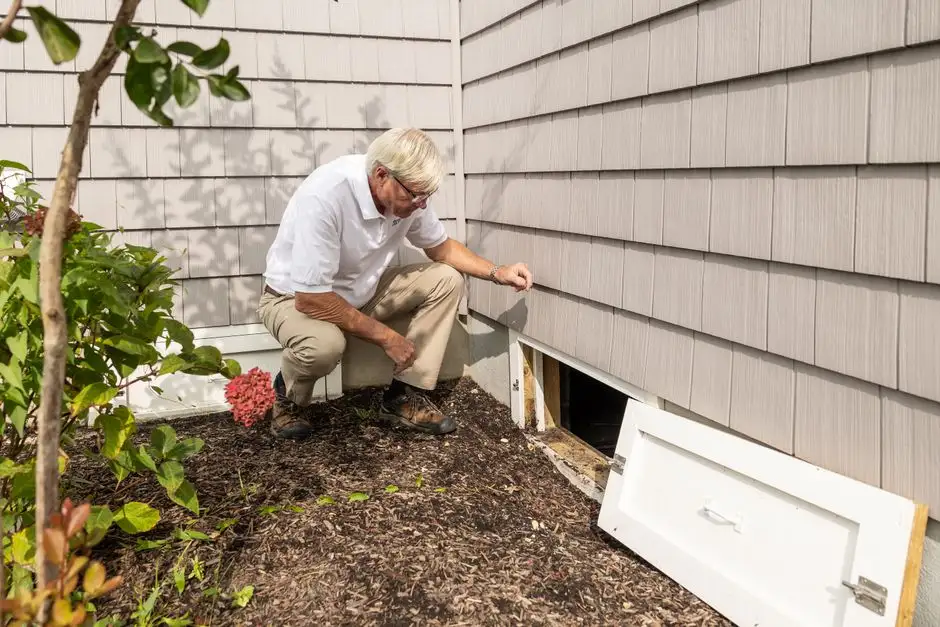
Senior adult inspecting a crawl space entrance during a home inspection on a sunny day.
Licensed Licensed & Bonded
Fully Insured Insured & Bonded
24/7 Emergency Same-Day Response
Warranty Backed Workmanship Guaranteed in Henderson

What Your Crawl Space Inspection Covers

Your inspection covers accessible areas, visible conditions, moisture readings, photographs, and a discussion of likely water sources. We document limitations such as blocked access or standing water. Laboratory sampling is an add-on when identification or air testing can answer a specific question; it is not automatically required for every inspection. Remediation and plumbing repairs are separate work performed by the appropriate trade.

Accessible Area Review

We examine reachable framing, subfloor, insulation, soil, plumbing routes, and visible surfaces for staining, growth, dampness, and water entry. The inspection record identifies areas checked and any access restrictions, so you know what the findings represent.

Moisture Readings

We take comparative readings at suspect materials and nearby reference areas using appropriate moisture meters. Readings help locate wet materials, but they do not identify mold by themselves. We explain the location and significance of each relevant measurement.

Photographs and Findings

Photos show the visible condition and help connect observations to specific locations beneath the home. We review them with you and distinguish confirmed observations from areas that need further access, repair, or testing.

Targeted Sampling Option

If a sample can resolve a specific concern, we discuss surface or air collection and the associated laboratory analysis. We identify the sample location and purpose, then explain what the result can establish and what it cannot.

Action Sequence

You receive a practical order for addressing the problem: stop active water entry, dry or evaluate affected materials, and arrange remediation when warranted. This keeps the response tied to inspection evidence rather than an unnecessary broad treatment.

Crawl Space Mold Inspection Henderson NV


Crawl Space Mold Inspection Henderson NV is a visual and moisture-focused building inspection that identifies suspected mold growth, water damage, and conditions that support microbial growth beneath a home. We review accessible surfaces, look for plumbing or roof leak moisture intrusion, and measure suspect materials with a pinless moisture meter or pin-type moisture meter. If the crawl space has a persistent musty odor or visible staining, we record its location and extent. Sampling is selected only when it can answer a useful question, such as whether a suspect deposit is mold or whether airborne spores are elevated.

Henderson homes still face plumbing leaks, irrigation overspray, condensation, and water entry after storms, even in a dry desert climate. Low airflow and damp insulation can keep a small wet area from drying, while a crawl space can hide moisture long after a room above looks normal. Our Henderson crawl space mold inspection connects visible conditions to the likely source, and we explain findings in plain language. After a leak, a crawl space mold assessment after plumbing leak Henderson can help establish which materials remain damp and whether targeted sampling is appropriate.

What to Expect During Inspection

A crawl space mold inspection in Henderson starts with the reason you called and ends with documented findings you can use. Most residential visits take about 1.5 to 3 hours, depending on access, size, and the number of suspect areas. We explain each step before entering the crawl space and keep you informed as we work.

01

Schedule

Call or book online — a real human picks up and confirms a 2-hour arrival window.

02

Diagnose

Licensed tech inspects on-site, then walks you through the cause and your options.

03

Fix

The job is completed to code and done right the first time — no shortcuts, no surprises.

04

Guarantee

Every job backed by a written workmanship warranty — and we stand behind it.

Tools and Inspection Methods

Tools & Equipment

Pinless moisture meter

We scan suitable material surfaces for comparative moisture patterns without making a pin hole. Readings help identify areas for closer inspection and are interpreted alongside material type and visible conditions.

Pin-type moisture meter

Pins measure moisture at a contact point in compatible materials. We use readings at selected suspect locations and compare them with nearby reference points to understand whether a material remains damp.

Infrared thermal camera

Thermal imaging shows surface temperature differences that may guide investigation toward a damp or unusually cool area. It does not detect mold directly, so we verify relevant patterns with direct observation or moisture measurement.

Borescope

A borescope can view a selected concealed cavity through an existing opening when access is appropriate. It provides a limited view of that location, not a guarantee that every enclosed area has been inspected.

Air sampling pump and spore trap cassette

When airborne sampling is appropriate, a calibrated collection setup draws a measured air volume through a spore trap cassette. Results are interpreted with sampling conditions, location, and visual moisture findings.

Methods & Standards

Moisture mapping and comparison

We record suspect readings alongside nearby reference points to show how moisture varies across the crawl space. This approach helps separate an isolated wet area from a broader pattern and directs attention to materials that need drying or further evaluation.

Visual inspection with photo documentation

We inspect accessible surfaces under adequate lighting and photograph relevant conditions. Notes identify material, location, visible appearance, and access limits. This keeps conclusions anchored to observations and makes repair conversations easier to follow.

Targeted surface sampling

When a visible deposit needs identification, we collect a suitable sample from the selected location using an appropriate collection method. The sample is handled for laboratory analysis and interpreted with the material and moisture context; sampling does not replace correcting the water source.

Air sampling for a defined question

Air sampling is used when the inspection question concerns airborne spores in a selected area. We record where and under what conditions the sample was taken. A result is not a complete map of mold, so we consider it alongside visible conditions and moisture evidence.

When to Book an Inspection

01

A supply line leaked under the kitchen, and the room above smells musty days after the repair.

What we do: We inspect the route below the affected plumbing, check accessible subfloor and insulation, and compare moisture readings around the reported leak. Photographs show whether materials remain damp or visibly affected. If identification is uncertain, we discuss a targeted surface sample rather than assuming every stain is mold.

→ You learn whether the leak area is dry, what materials still need attention, and which trade should handle the next repair.

02

You are buying a Henderson home and want the crawl space checked before closing.

What we do: We review accessible underfloor areas for visible growth, water staining, damp insulation, and plumbing or drainage clues. Our notes distinguish current moisture from signs of an older event and identify any access restrictions. You can use the findings to plan questions, repairs, or additional evaluation before making a decision.

→ You get a focused record of underfloor conditions instead of relying on the appearance of finished rooms alone.

03

A remediation crew has finished work, but you want the crawl space conditions reviewed.

What we do: We inspect the agreed accessible area for visible residue, remaining moisture, and conditions that could support recurrence. Where post-remediation mold concerns require testing, we discuss sample locations and the criteria being evaluated. We do not treat a single test result as proof that every concealed area is clear.

→ You receive documented observations and, when selected, laboratory results to support the next project decision.

04

You notice condensation on underfloor piping or damp materials during a seasonal check.

What we do: We examine the affected materials, measure moisture at multiple points, and look for related airflow or water-source clues. The inspection helps distinguish localized condensation from a plumbing leak or broader intrusion. We explain which conditions need correction and which should be monitored.

→ You can address the source early and avoid waiting for a stronger odor or visible damage indoors.

How Crawl Space Inspections Work in Henderson

Henderson's desert climate does not eliminate crawl space moisture. Winter cold snaps can increase condensation on cooler pipes, while summer irrigation, plumbing failures, and storm runoff can wet soil or building materials. Once water enters a low-airflow space, insulation and wood may take longer to dry than exposed surfaces. Our crawl space mold inspection in Henderson accounts for the reported event, building layout, and accessible drainage conditions rather than assuming the source from the season alone. We check for roof leak moisture intrusion where roof framing or plumbing paths are relevant, and we distinguish that from water entering at the perimeter. Homes around Black Mountain and Green Valley vary in age, construction, and crawl space access, so findings are tied to the property we inspect. If you are arranging a crawl space mold inspection for a Henderson property after a leak, share the affected room and repair history before the visit. We serve Clark County neighborhoods and record moisture locations, access limits, and recommended next steps. Nevada building and repair requirements depend on the work being performed; we identify inspection findings and direct repair questions to the appropriate licensed trade.

Neighborhoods We Serve

  • Green Valley

    We check for underfloor moisture associated with plumbing repairs, irrigation, and concealed damp insulation, then compare readings around the reported area.

  • Anthem

    For homes with difficult or limited crawl space access, we document the reachable area and explain what additional access would be needed to assess concealed sections.

  • Black Mountain

    We investigate musty odors and staining by tracing accessible moisture patterns rather than assuming dry outdoor air has ruled out an underfloor leak.

  • Inspirada

    After a recent plumbing event, we focus on the reported line, nearby framing, and insulation to determine whether materials remain damp.

Local Conditions We Plan For

  • Cool pipes and low airflow can promote localized condensation

    Condensation can wet a small area repeatedly without a dramatic leak. We compare readings around the piping and nearby materials, then explain whether the pattern supports further investigation or a plumbing and ventilation correction.

  • Irrigation or stormwater can reach crawl space edges

    Water may enter at a perimeter and affect soil, insulation, or framing before it becomes visible indoors. We document the affected edge and moisture extent, then identify where drainage or exterior evaluation is appropriate.

  • Tight entries limit visibility and safe movement

    Low clearance, debris, or standing water can restrict inspection access. We report which areas were reachable and avoid presenting an unviewed section as clear; targeted additional access may be needed for a fuller assessment.

Leak Under a Kitchen

Before

A slow plumbing leak under a Henderson kitchen left a musty odor and damp insulation. The pipe had been repaired, but the homeowner could not tell whether the subfloor had dried or whether the dark marks were active growth. No moisture readings or photographs were available, so the repair area remained uncertain.

After

We inspected the accessible route, recorded readings at six locations, and photographed the affected insulation and framing. Four points were dry at the visit; two remained elevated compared with nearby material. The findings helped direct drying and follow-up to the actual wet area instead of replacing unaffected insulation.

Maintenance: After repairs, recheck the affected materials within 48 to 72 hours and confirm the source stays dry. Keep the plumbing area accessible, and call if odor returns or readings rise again.

Before

A seller in Green Valley found dark spots on crawl space framing before a transaction. The marks had no clear history, and the owner worried about a broad mold problem. The space had limited clearance, making a casual look from the entry an unreliable way to judge the affected area.

After

We inspected the accessible framing, used comparative moisture readings at five points, and documented the staining with photographs. The observed area was limited, and the readings did not show elevated moisture at the checked locations. The owner had a clear record of what was examined and which areas could not be reached.

Maintenance: Keep the inspection record with transaction documents and correct any future leak promptly. If the odor, staining, or moisture changes, arrange a follow-up focused on the new condition.

Before

A homeowner near Black Mountain noticed an intermittent odor and dampness around underfloor piping during colder mornings. No active leak was visible, but condensation was suspected. Without checking nearby wood and insulation, the owner could not tell whether the dampness was isolated or spreading.

After

We examined the piping and nearby materials, then compared readings at four locations. Moisture was concentrated around the pipe area, with no visible growth found on the other accessible framing checked. The findings supported a focused correction and monitoring plan rather than broad material removal.

Maintenance: Check the pipe area after temperature changes and again after the correction. Keep a dated photo record and request another inspection if dampness persists beyond 48 hours or a musty odor returns.

Fix the Cause Behind Crawl Space Odors

A crawl space problem often reaches your attention through an odor, a leak, or a repair finding rather than visible growth indoors. We inspect the underfloor area to connect those clues to moisture and affected materials. That helps you act before a small wet spot becomes a wider building concern.

Problem

Persistent musty odor with no visible source inside the home

Odor can move from a concealed crawl space into occupied rooms, while the damp material responsible remains out of sight and continues to deteriorate.

Our Fix

We inspect accessible underfloor surfaces, plumbing routes, insulation, and subfloor for moisture and visible growth. Moisture readings and photographs help locate the strongest evidence. If the source remains unclear, we discuss whether targeted sampling or a closer opening is useful, then identify the repair or remediation step indicated by the findings.

Problem

Damp insulation or framing after a slow plumbing leak

Materials that stay wet can support mold growth and lose performance; a repaired pipe alone does not confirm the surrounding area has dried.

Our Fix

We map the affected zone and compare readings across the nearby framing and insulation. We document where dampness remains and recommend that the leak be corrected before drying or material removal. If you need crawl space mold inspection for a Henderson property after a leak, we can focus the visit on the reported line and surrounding materials.

Problem

Uncertain staining that could be mold or old residue

Treating an unidentified mark as confirmed mold can lead to unnecessary removal, while ignoring active growth leaves the moisture issue unresolved.

Our Fix

We assess the mark's appearance, surrounding material, and moisture condition, then explain whether visual inspection is sufficient. When identification affects your next decision, we can collect an appropriate sample for laboratory analysis. The result is interpreted with the location and moisture evidence, not as an isolated label.

Problem

Water entry after heavy rain or exterior drainage trouble

Repeated wetting can affect soil-side materials and framing, and concealed water may persist after the visible ground or entry area appears dry.

Our Fix

We check accessible edges and materials for signs of water intrusion, record damp areas, and look for patterns consistent with drainage or exterior entry. You receive a clear summary of the affected locations and whether a drainage professional, plumber, or remediation contractor should take the next step.

Clear Findings, Useful Next Steps

Clear Findings, Useful Next Steps

You need more than a quick glance under the house. We trace visible evidence, take repeatable moisture readings, and show you which conditions need attention now. The inspection separates an active moisture problem from old staining, so you can prioritize repairs, further testing, or monitoring without treating every mark as confirmed mold.

  • Locate Moisture Sources

    We follow wet spots toward likely plumbing leak moisture intrusion, condensation, or exterior water entry instead of stopping at the first stain. Readings from several points help distinguish a localized leak from broadly damp materials. You receive a clear record of where moisture was found and which areas need a plumber or building repair.

  • Check Hidden Areas

    A borescope lets us view selected concealed cavities through an existing opening when access and conditions allow. We look for hidden mold growth on framing, subfloor surfaces, and insulation without claiming that one small view represents the whole structure. You learn what was actually visible and where access limits remain.

  • Choose Useful Sampling

    Not every inspection requires a laboratory sample. When a sample can resolve inaccurate or unconfirmed mold identification, we collect a suitable surface or air sample and explain what it can and cannot establish. A crawl space mold assessment Henderson NV gives you findings tied to the observed area rather than a diagnosis based on odor alone.

  • Plan Repair Priorities

    Your results connect the moisture source, affected material, and next action. We distinguish a small isolated patch from broader water-damaged building materials and identify when a qualified remediation contractor should evaluate removal. That gives you a practical order of work: stop water entry, dry the area, then address confirmed contamination.

Credentials and Methods

Licensed & Certified

  • IICRC Applied Microbial Remediation Technician — issued by Institute of Inspection, Cleaning and Restoration Certification
  • ACAC Council-certified Microbial Investigator — issued by American Council for Accredited Certification
  • EPA Mold Course Certificate — issued by U.S. Environmental Protection Agency
  • OSHA Hazard Communication Standard training — issued by Occupational Safety and Health Administration

Verified Reviews

Customer feedback Not stated

A homeowner in Green Valley described a focused inspection after a plumbing leak. The technician documented damp insulation, showed comparative readings, and explained the repair sequence. The customer valued having specific locations to discuss with the plumber instead of a vague warning about mold.

Customer feedback Not stated

A Henderson buyer wanted the crawl space checked before closing. The inspection record noted the areas accessed, visible staining, and moisture readings, with limitations explained plainly. The customer said the information helped direct follow-up questions to the right trade.

Customer feedback Not stated

A Black Mountain resident called about an odor after dampness appeared near underfloor piping. The technician checked the nearby materials and explained why a targeted correction made more sense than removing insulation across the entire space. The customer left with clear monitoring steps.

Field Knowledge for Crawl Spaces

Crawl spaces demand a different inspection approach from a finished room: access is restricted, materials are often unfinished, and moisture can travel along framing before appearing indoors. We use local experience to connect odors, staining, plumbing routes, and moisture readings without calling every discoloration mold. Our technicians follow established inspection and sampling practices, explain the limits of inaccessible areas, and refer remediation work to an appropriately qualified contractor when needed. We do not claim a certification or a number of years that has not been established.

  • We compare suspect readings with nearby reference points, rather than treating one meter reading as proof of mold.
  • We distinguish visible growth, water staining, mineral deposits, and dirt before recommending laboratory identification.
  • We document plumbing routes, damp insulation, and subfloor conditions so repairs address the source as well as the symptom.
  • Our sampling choices match the question, whether it concerns a surface deposit or elevated airborne mold spores.
  • We explain access limits clearly and identify what additional opening or trade inspection would be needed.
Get Started Today
Field Knowledge for Crawl Spaces

Crawl Space Inspection Questions

Real answers to the questions we hear most often from local homeowners and property managers.

What does a crawl space mold inspection include in Henderson?
A Henderson crawl space inspection includes an accessible-area visual check, moisture readings, photographs, and a review of likely water sources. We examine framing, subfloor, insulation, plumbing routes, odor, and visible staining. If sampling would answer a specific identification or airborne-spore question, we explain the method before collecting it. A typical residential visit takes about 1.5 to 3 hours; inaccessible sections are noted rather than represented as inspected.
How much does crawl space mold assessment cost in Henderson?
Typical 2026 pricing in Henderson is about $250 to $650 for a visual and moisture-focused inspection, with laboratory sampling commonly adding $75 to $200 per sample. Crawl space size, access, standing water, number of suspect areas, and sample type affect the total. We explain pricing upfront before work proceeds. A crawl space mold assessment Henderson NV is most useful when it identifies the moisture issue and guides the next repair, not when testing is added without a clear question.
Can a crawl space have mold even in a dry climate?
Yes; a crawl space can support mold in a dry climate if a leak, damp soil, condensation, or water intrusion keeps materials wet. Henderson's low outdoor humidity does not dry a concealed plumbing leak automatically, especially where airflow is limited. Persistent musty odors, staining, or damp insulation deserve inspection. We check the moisture source and material condition, then recommend sampling only if it will help confirm an uncertain finding.
When should I inspect a Henderson crawl space for mold?
Inspect promptly after a plumbing leak, visible water entry, recurring musty odor, or discovery of damp insulation; after a leak, arrange a check within 24 to 72 hours if materials remain wet. Inspection is also useful before buying a home or after remediation. A same-day crawlspace mold inspector in Henderson may be available for urgent concerns; call to discuss access and the event so we can advise on scheduling.

Related Inspection and Testing

Mold Inspection

A broader mold inspection checks rooms and building areas connected to crawl space conditions. If odors or staining appear upstairs, we compare those locations with the underfloor findings to identify a possible moisture path and determine whether more investigation is warranted.

View Mold Inspection

Mold Testing

Testing can help identify a suspect surface deposit or assess airborne spores when a specific question remains after inspection. We select a suitable sample type and explain its limitations, so results support decisions rather than replace moisture-source investigation.

View Mold Testing

Indoor Air Quality Testing

If occupants report odor or respiratory irritation, indoor air quality testing can add context to the crawl space inspection. We consider sampling locations and conditions, then explain how air results relate to visible growth and moisture evidence in the home.

View Indoor Air Quality Testing

Mold Assessment and Sampling

This service combines a focused evaluation with targeted sample collection when identification matters. For Henderson homes, we connect sample locations to crawl space observations and document the reason each sample was selected.

View Mold Assessment and Sampling

Airborne Mold Spore Testing

Airborne testing uses a defined collection method to check spores in selected areas. It can be useful when a crawl space odor or suspected growth may affect living areas, but a single air sample does not locate or prove the source.

View Airborne Mold Spore Testing

Surface Mold Testing

Surface sampling helps assess a visible deposit on wood, insulation facing, or another accessible material. We choose a collection method suited to the surface and pair the result with visual and moisture observations.

View Surface Mold Testing

Schedule Crawl Space Mold Inspection Henderson NV

A leak, damp insulation, or persistent musty odor deserves a direct check beneath the home. Call Henderson Mold Testing at +18668968166 to discuss your crawl space and arrange an inspection. We explain findings plainly and provide upfront pricing.

Call Now Schedule Inspection

Contact Henderson Mold Testing

Call +1 866-896-8166 to talk through a leak, odor, visible growth, or property inspection concern in Henderson, NV. Our phone line is open Monday through Friday, 8:00 a.m. to 6:00 p.m.; we respond to messages during business hours and help plan the right inspection. We serve Clark County neighborhoods and nearby Henderson ZIP codes.

Or call us right now at +18668968166 — we answer.

Henderson Mold Testing


  • Phone

    +18668968166
  • Address

    Henderson, Nevada

  • Hours

    Mon–Fri: 7AM – 7PM
    Sat: 8AM – 4PM
    Sun: Emergency Only
    24/7 Emergency Available

Call +18668968166 Get Quote
Call Quote