Logo
Get Estimate

Basement Mold Inspection Henderson NV

Find hidden moisture before it spreads through your home


Basement Mold Inspection Henderson NV helps homeowners track down musty odors, visible growth, and damp materials before a small leak becomes a larger repair. We inspect the lower level, look for moisture pathways, and explain whether targeted sampling is useful. If you have had a plumbing leak, roof leak, or unexplained condensation, our Henderson team gives you clear findings and practical next steps.

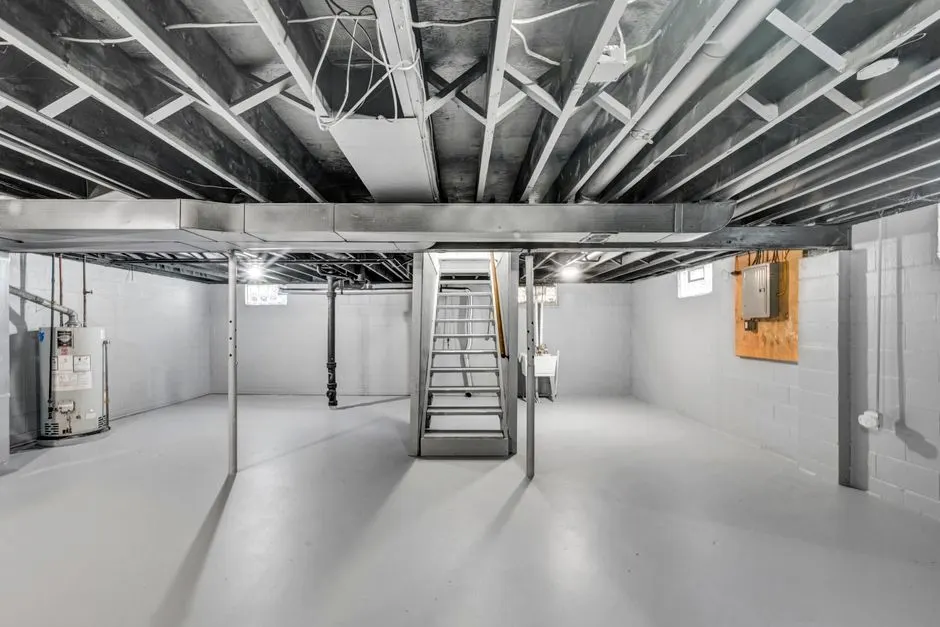
Explore a spacious, unfinished basement with potential for renovation in an Ohio home.
Licensed Licensed & Bonded
Fully Insured Insured & Bonded
24/7 Emergency Same-Day Response
Warranty Backed Workmanship Guaranteed in Henderson

What a Basement Inspection Includes

A standard visit covers a visual review of accessible basement spaces, moisture screening, notes on visible damage, and a discussion of likely water sources. Sampling, laboratory analysis, invasive openings, and remediation are separate tasks selected only when they answer a defined concern. We explain the difference before proceeding, so you know whether the next step is drying, repair, additional testing, or monitoring.

Accessible Area Survey

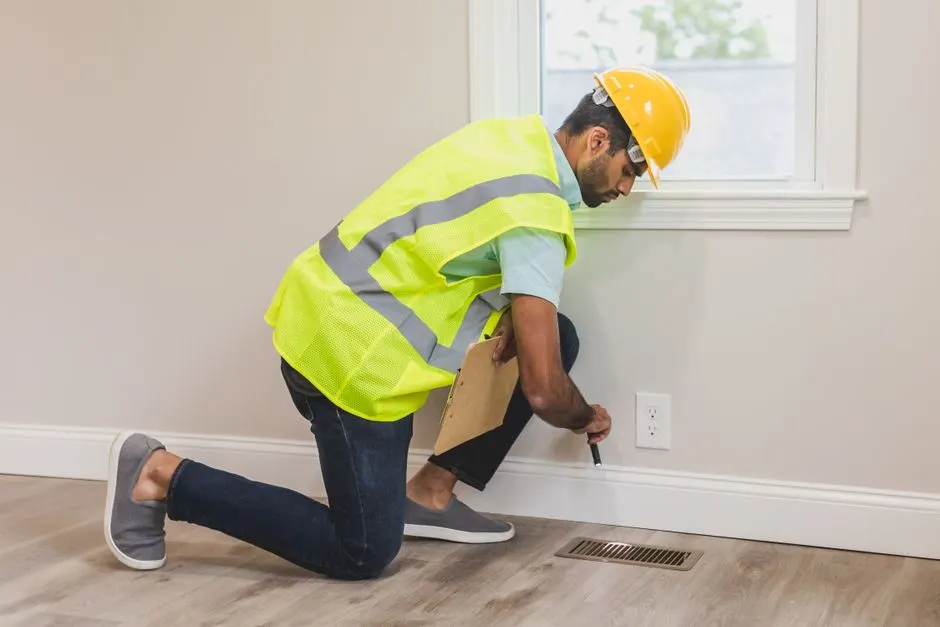
We inspect accessible walls, flooring, baseboards, utility spaces, and window or plumbing penetrations for staining, surface growth, peeling finishes, and signs of prior water. We record areas blocked by stored items so you know what could not be evaluated during the visit.

Moisture Readings

We check suspect materials and compare them with nearby reference surfaces using suitable moisture meters. Readings help locate dampness, but they are interpreted with material type and visual evidence rather than treated as a stand-alone mold diagnosis.

Water Source Review

We consider plumbing leaks, water-heater discharge, roof or exterior entry, and condensation around cool surfaces. You can share repair history and leak timing; we connect those details with the observed moisture pattern and identify what should be addressed first.

Sampling Guidance

If a specific uncertainty remains, we explain whether surface, air, or material sampling could help. Collection media and laboratory analysis are chosen for the question and location, with results discussed alongside inspection findings rather than in isolation.

Practical Findings

You receive a concise account of the inspected areas, readings, visible concerns, and recommended next actions. We distinguish what was observed from what remains concealed and explain when repair, drying, follow-up inspection, or remediation evaluation makes sense.

Basement Mold Inspection Henderson NV: What We Check


Basement Mold Inspection Henderson NV is a residential moisture and mold evaluation that identifies visible or suspected growth, checks building materials for excess moisture, and helps determine whether sampling is warranted. We begin with your concern, inspect accessible walls, floors, storage areas, and utility spaces, then map moisture readings against dry reference areas. A pinless moisture meter helps screen broad surfaces without puncturing them; a pin-type meter can confirm readings at selected points. The result is a documented picture of conditions, not a guess based on odor alone.

Henderson homes face water problems even in a dry desert climate: supply-line leaks, water-heater failures, roof leak moisture intrusion after storms, and cool surfaces where indoor humidity condenses. A Henderson basement mold inspection is useful after a leak, before a property purchase, or when a musty smell persists despite cleaning. If you are searching for a basement mold assessment after water intrusion Henderson, we focus first on the wet area and follow moisture paths into adjoining materials, including wallboard, carpet padding, and insulation.

What to Expect During the Visit

A basement mold assessment in Henderson starts with your observations and ends with findings you can act on. We keep the visit orderly: inspect, measure, document, and discuss whether sampling adds useful evidence. Most standard residential visits take about 1.5 to 3 hours, depending on basement size, access, and the number of wet or suspect areas.

01

Schedule

Call or book online — a real human picks up and confirms a 2-hour arrival window.

02

Diagnose

Licensed tech inspects on-site, then walks you through the cause and your options.

03

Fix

The job is completed to code and done right the first time — no shortcuts, no surprises.

04

Guarantee

Every job backed by a written workmanship warranty — and we stand behind it.

Inspection Tools and Methods

Tools & Equipment

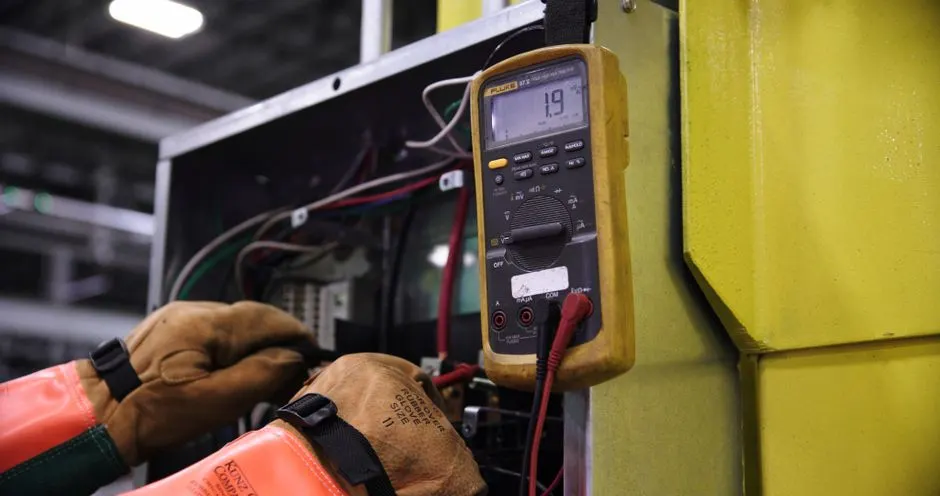
Pinless moisture meter

We scan broad wall and floor areas without puncturing the surface, comparing suspect locations with nearby reference readings to find patterns that need closer checking.

Pin-type moisture meter

We use this meter at selected points when a more direct reading helps assess a material. Its small probes can confirm whether a suspect area differs from an adjacent dry section.

Infrared thermal camera

The camera highlights surface temperature differences that can guide a closer moisture check. It does not detect mold or prove water by itself; we verify thermal indications with other observations.

Borescope

A borescope can view an accessible cavity through an existing opening when a wall or ceiling concern warrants it. We explain what the limited view can and cannot establish before using it.

Air sampling pump and spore trap cassette

When air sampling is appropriate, a calibrated pump draws a measured volume of air through a collection cassette. We label the sample location and interpret laboratory findings with the inspection context.

Sterile swabs and tape-lift slides

These materials collect a targeted sample from a defined suspect surface. We choose the collection method based on texture and the question, then protect and label samples for analysis.

Methods & Standards

Moisture mapping with reference comparisons

We record suspect readings beside comparable surfaces that appear dry, then follow the pattern toward likely leak paths. The comparison helps identify where moisture is concentrated and avoids treating a single reading as proof of mold. Material type, temperature, and access all shape how we interpret the map.

Visual inspection before sampling

We first document staining, surface growth, water damage, and conditions that may support condensation. Sampling follows only when it can resolve a defined identification or airborne concern. This sequence keeps the inspection grounded in the building and helps prevent inaccurate or unconfirmed mold identification.

Targeted sample collection

We select a sample location that represents the concern, use appropriate collection media, and record where it came from. Air sampling uses a measured collection period; surface sampling targets a particular deposit. Laboratory results are interpreted alongside room conditions, visible findings, and moisture readings.

Source-to-material tracing

We follow evidence from a likely source, such as a plumbing penetration or water heater, toward materials that may have been affected. The inspection notes wet edges, adjacent finishes, and concealed areas that need access. This sequence helps you prioritize water control and drying before deciding on mold-related work.

When to Schedule an Inspection

01

A Henderson water heater leaked overnight, wetting the basement wall and a strip of carpet.

What we do: We inspect the area around the heater, trace water along the floor edge, and check carpet, padding, and nearby wallboard for retained moisture. You learn which materials need continued drying and whether a follow-up check should happen after equipment has run for 24 to 48 hours.

→ You can direct drying and repairs toward the affected zone instead of removing materials across the entire basement without evidence.

02

A homeowner in Green Valley notices a musty odor after the basement has been closed for several days.

What we do: We examine corners, storage areas, plumbing penetrations, and cool surfaces for dampness or condensation. We ask about HVAC operation and recent water use, then compare suspect readings with dry references. If no visible source explains the odor, we discuss whether air or surface sampling fits the question.

→ You get a clearer distinction between an odor source, a moisture issue, and a concern that needs laboratory testing.

03

A buyer finds old staining near a basement window before purchasing a home in Henderson.

What we do: We inspect the stained area and nearby finishes, check for moisture, and look for signs that water entered around the opening. We document visible conditions and any access limits, then outline whether a repair evaluation or targeted sample would help before the transaction proceeds.

→ You have recorded findings to discuss with the seller, agent, or repair professional instead of relying on appearance alone.

04

A basement has been cleaned after remediation, but the owner wants to check the repaired area.

What we do: We review the completed work area, look for visible residue and remaining dampness, and confirm that conditions are suitable for any requested sampling. Where testing is selected, we define the collection locations and purpose before taking samples, then relate results to the inspected area.

→ You receive a focused check of the repaired space and a practical record of whether additional moisture or testing concerns remain.

How Basement Inspections Work in Henderson

Basement mold conditions in Henderson often begin with a specific water event, not persistent rain: a supply line failure, water-heater leak, roof opening after a storm, or condensation on a cool pipe. Dry outdoor air can speed surface drying while moisture remains inside wallboard, carpet padding, or insulation. We compare those materials with nearby dry areas and ask how long the leak ran, whether the HVAC system was operating, and what was removed or dried. For a basement mold inspection in Henderson, Nevada, access matters as much as the room size; finished walls and stored belongings can hide the exact path. If you need a same-day basement mold inspector Henderson Nevada, call with the leak timing and affected rooms so we can discuss the visit. We serve Clark County neighborhoods and document findings without claiming that an inaccessible cavity has been cleared. When sampling is appropriate, we use a defined collection location and explain what the laboratory can establish. The practical goal is to find the moisture source, identify affected materials, and give you an ordered next step.

Neighborhoods We Serve

  • Green Valley Ranch

    Basement complaints here can involve utility-room plumbing or finished wall areas. We check the reported leak path and compare moisture at visible edges before recommending access.

  • Anthem

    A water-heater leak or plumbing connection can affect stored items and adjacent finishes. We document what is accessible and identify any blocked surfaces that need a second look.

  • Downtown Henderson

    Older and updated homes can have different basement finishes and repair histories. We ask about previous leaks and compare current readings with the condition of nearby materials.

  • Lake Las Vegas

    Basement inspection still starts with the reported water source, whether a plumbing issue or moisture near an exterior opening. We trace evidence into adjoining materials rather than assuming a single cause.

Local Conditions We Plan For

  • A short storm exposes roof or exterior water-entry points

    Water can travel behind finished surfaces before a basement stain appears. We compare the location of damage with accessible routes and check whether moisture remains after the visible surface dries.

  • Cool basement surfaces collect indoor condensation

    Condensation may appear around pipes, ductwork, or cooler wall areas when indoor air is humid. We look for repeated dampness patterns and distinguish them from a one-time leak before suggesting repairs or further testing.

  • Finished walls limit direct access to concealed materials

    A moisture reading or thermal pattern can point to a concern but cannot show the entire cavity. We explain access limits and discuss whether an existing opening, borescope view, or targeted opening is the appropriate next step.

Water Heater Leak Traced

Before

A slow water-heater leak left a musty smell near the basement utility area. The floor looked mostly dry, but a narrow carpet edge and the bottom of the adjacent wall felt cool. Stored boxes blocked part of the wall, and the homeowner did not know whether the leak had reached the padding.

After

We mapped the exposed floor edge and wall, recording higher moisture in a 3-foot strip beside the heater than at the dry reference area. The findings identified where drying and access were needed; no broad mold claim was made from odor alone. The homeowner moved the boxes and arranged focused drying.

Maintenance: Check the heater connections and nearby floor after routine service or any pressure change. Keep a clear 12-inch inspection path around the unit and recheck the carpet edge if odor returns.

Before

A homeowner found a dark stain below a basement window after a storm. The paint had dried, and no active dripping was visible, but the mark returned after cleaning. The concern was whether the stain represented an ongoing entry point or old discoloration from a repaired issue.

After

We checked the sill, lower wall, and nearby floor, then compared readings across the affected section and adjacent dry wall. The inspection documented no elevated reading at the time of the visit and identified the exterior joint for repair review. A targeted sample was not needed to answer the immediate moisture question.

Maintenance: After the exterior repair, watch the sill and lower wall through the next storm. Keep the area clear and arrange a follow-up moisture check if the stain darkens or the surface becomes damp.

Before

Following cleanup of a basement leak, the room still smelled musty when the door stayed closed overnight. The visible damaged material had been removed, but the owner wanted to know whether moisture remained near the repaired wall or whether another source was present.

After

We inspected the repair boundary, checked remaining accessible materials, and compared readings at three nearby points with a dry reference. The readings did not show a concentrated wet area during the visit. We documented the limits of the finished cavity and explained when targeted sampling or additional access would be useful.

Maintenance: Keep the repaired area open to normal airflow and avoid covering it until finishes are dry. Note whether odor changes with HVAC operation, then request a focused recheck if it persists or returns.

Problems a Basement Mold Check Can Resolve

A basement moisture inspection for a Henderson home helps sort out the cause behind a stain, smell, or repeat damp spot. We trace the concern through accessible materials and identify whether it points to an active leak, past damage, condensation, or a need for targeted sampling. That keeps your response tied to the problem rather than guesswork.

Problem

Musty odor returns after cleaning the basement floor

The odor can persist if damp carpet padding, stored materials, or a concealed wall area remains wet, even after the visible surface has been cleaned.

Our Fix

We inspect likely odor sources, check moisture at floor edges and adjoining walls, and ask whether the smell changes after HVAC cycles or water use. If an area is concealed, we explain the limits and whether targeted sampling or further access would clarify the source.

Problem

A plumbing leak soaked drywall behind basement storage

Water trapped behind boxes or finished wallboard can remain unnoticed, allowing materials to deteriorate and creating conditions for hidden mold growth.

Our Fix

We map the leak path, record moisture at exposed edges, and identify materials that need drying or closer evaluation. We also note blocked areas so you can move storage and arrange a follow-up check where readings could not be taken during the first visit.

Problem

Dark basement spotting has uncertain identification

Treating every dark mark as mold can waste money, while ignoring genuine growth can leave a moisture problem unresolved and allow damage to continue.

Our Fix

We document the location and appearance, assess nearby moisture, and discuss a surface sample if identification would change your next decision. A laboratory result is considered with the building conditions, so you receive context rather than an unsupported visual diagnosis.

Problem

Water damage was repaired but the basement still smells

An odor after repairs can indicate residual moisture, affected porous materials, or a separate source; assuming cleanup is complete may leave the concern unresolved.

Our Fix

We review what was repaired, check accessible materials around the former leak, and look for persistent dampness or visible residue. If post-remediation mold concerns remain, we explain whether inspection alone is enough or whether a defined sampling plan would add useful evidence.

Clear Findings, Useful Next Steps

Clear Findings, Useful Next Steps

A careful inspection separates active moisture from old staining and visible growth from an unconfirmed mold concern. We show you what we measured, where we looked, and which issue needs attention first. That makes it easier to choose a repair, targeted sampling, or routine monitoring without paying for tests that do not answer your question.

  • Locate Hidden Moisture

    We compare suspect areas with nearby dry surfaces and record readings at practical intervals, often every 2 to 4 feet around a visible stain or leak path. This helps locate wet drywall, baseboards, or flooring that looks dry from the room side. You receive a clear explanation of where moisture is concentrated and what should be checked next.

  • Separate Odor From Evidence

    Persistent musty odors can come from damp materials, a drain issue, stored belongings, or hidden mold growth. We inspect likely sources instead of assuming the smell proves mold. When evidence supports sampling, we explain the purpose before collecting it, so your basement mold assessment Henderson NV stays focused on a real question.

  • Guide Targeted Sampling

    Sampling can help when growth is concealed, identification is uncertain, or a post-remediation check is needed. We select a surface or air method based on the concern, collect samples with suitable materials, and arrange laboratory analysis where appropriate. A result is interpreted alongside the inspection findings, not treated as a stand-alone verdict.

  • Prioritize Repairs

    Your report distinguishes the moisture source, affected materials, and conditions that need follow-up. A small plumbing leak may call for drying and a limited repair; wet insulation behind a finished wall needs a different response. We explain the sequence so you can address water first, then evaluate cleaning or remediation after the materials are dry.

Training and Field Standards

Licensed & Certified

  • EPA Mold Course Certificate — issued by U.S. Environmental Protection Agency
  • OSHA Hazard Communication Standard training — issued by Occupational Safety and Health Administration
  • IICRC Applied Microbial Remediation Technician training — issued by Institute of Inspection, Cleaning and Restoration Certification
  • AIHA Laboratory Accreditation Programs accreditation — issued by American Industrial Hygiene Association Laboratory Accreditation Programs

Verified Reviews

Customer feedback Not stated

After a plumbing leak in our Henderson basement, the inspector showed us exactly where moisture remained and where the wall was dry. The findings were specific to the affected corner, and we knew what to dry before repairing the finish.

Customer feedback Not stated

We had a stain near a basement window in Green Valley and wanted to know whether it was active. The inspection compared readings around the mark and explained what the measurements did and did not prove. That practical explanation helped us plan the exterior repair.

Customer feedback Not stated

Our basement still smelled musty after cleanup. The technician checked the repair area, looked at accessible materials, and talked us through whether sampling was worthwhile. We appreciated getting a direct answer and a clear explanation of the area that could not be seen behind the finished wall.

Practical Mold Inspection Expertise

Our technicians approach basement concerns as building-moisture problems first and sampling questions second. We trace water from plumbing, roof openings, exterior interfaces, or condensation toward the materials it may have affected. Training relevant to mold investigation includes the EPA Mold Course Certificate and OSHA Hazard Communication Standard training; where applicable, we use recognized field practices and laboratory procedures. We do not claim a credential or business tenure that has not been established. You get a methodical inspection, clear documentation, and recommendations tied to what we actually observe in your Henderson home.

  • We use moisture mapping and visual inspection together, so a single meter reading does not become a diagnosis.
  • We distinguish visible growth from inaccurate or unconfirmed mold identification and recommend analysis only when it answers a defined question.
  • Our sampling workflow can use a Zefon air sampling pump with compatible collection media when air sampling is appropriate.
  • We document suspect building materials, likely water pathways, and access limits so you know what the inspection covered.
  • We consider post-remediation mold concerns in context, comparing the repaired area with remaining moisture and visible conditions.
Get Started Today
Practical Mold Inspection Expertise

Basement Mold Inspection Questions

Real answers to the questions we hear most often from local homeowners and property managers.

What does a basement mold inspection include in Henderson?
A Henderson basement inspection includes a visual survey, moisture checks, documentation, and sampling only when it answers a specific question. We review the reported odor or leak, inspect accessible walls and floors, and use moisture meters to compare suspect areas with dry references. A standard visit often takes 1.5 to 3 hours. If concealed materials remain uncertain, we explain whether targeted sampling or opening an area would provide useful evidence.
How much does basement mold assessment cost in Henderson, Nevada?
A basement mold assessment in Henderson, Nevada commonly falls between $250 and $750, depending on size, access, and sampling. The 2026 price depends on how many rooms need inspection, whether a leak path crosses finished walls, and whether laboratory analysis is requested. We explain the price before work begins. A straightforward moisture check costs less than a visit involving multiple samples and difficult-to-access areas.
Can a basement develop mold after a plumbing leak?
Yes, mold can develop after a plumbing leak if materials stay damp for roughly 24 to 48 hours or longer. Drying speed depends on the amount of water, temperature, airflow, and material type; carpet padding and wall cavities can retain moisture after the surface feels dry. We inspect the leak path, check adjoining materials, and identify where drying or selective removal needs attention.
When should I schedule a lower-level mold inspection in Henderson?
Schedule a lower-level mold inspection in Henderson after a leak, recurring musty odor, visible growth, or unexplained dampness. Book promptly after water intrusion, especially when drywall, carpet, or insulation stayed wet beyond 24 hours. We also inspect before a home purchase and after remediation when you need to check moisture conditions. A same-day basement mold inspector Henderson Nevada visit depends on the schedule, so call to discuss the concern.

Related Inspection and Testing Services

Mold Inspection

A broader mold inspection checks areas beyond the basement when odors or water damage cross floors. For Henderson homeowners, we can compare basement findings with nearby rooms, utility spaces, and other accessible locations to identify whether the concern is isolated or part of a wider moisture pattern.

View Mold Inspection

Mold Testing

Mold testing adds laboratory analysis when visual inspection alone cannot answer a specific question. We select an appropriate surface or air collection method, label the location, and relate the result to the basement conditions observed in your Henderson home.

View Mold Testing

Indoor Air Quality Testing

Indoor air quality testing can help investigate airborne concerns when basement odors or suspected spores affect occupied rooms. We discuss the rooms, operating conditions, and sampling purpose first, then explain how results fit with the moisture inspection rather than treating one sample as a complete building diagnosis.

View Indoor Air Quality Testing

Mold Assessment and Sampling

Assessment and sampling combine a site review with targeted collection when evidence is needed. This is useful for a Henderson basement with a concealed leak path, uncertain surface growth, or a post-repair question. Findings connect sample locations with observed materials and moisture conditions.

View Mold Assessment and Sampling

Airborne Mold Spore Testing

Airborne mold spore testing evaluates collected air samples from selected rooms. It can support an investigation when a musty basement odor reaches living areas, but results are interpreted alongside inspection conditions, room use, and any outdoor comparison sample selected for context.

View Airborne Mold Spore Testing

Surface Mold Testing

Surface mold testing samples a specific visible or suspect patch using a suitable collection method. In a basement, this can help clarify whether a deposit on drywall, trim, or stored material is consistent with mold, while the inspection still addresses the moisture source.

View Surface Mold Testing

Book Basement Mold Inspection Henderson NV

A leak, stain, or persistent odor deserves a clear answer before damaged materials are covered or replaced. Call Henderson Mold Testing to discuss your basement and arrange an inspection. Our team explains the findings and next steps plainly.

Call Today Book Inspection

Contact Henderson Mold Testing

Call +1 866-896-8166 to talk through a leak, odor, visible growth, or property inspection concern in Henderson, NV. Our phone line is open Monday through Friday, 8:00 a.m. to 6:00 p.m.; we respond to messages during business hours and help plan the right inspection. We serve Clark County neighborhoods and nearby Henderson ZIP codes.

Or call us right now at +18668968166 — we answer.

Henderson Mold Testing


  • Phone

    +18668968166
  • Address

    Henderson, Nevada

  • Hours

    Mon–Fri: 7AM – 7PM
    Sat: 8AM – 4PM
    Sun: Emergency Only
    24/7 Emergency Available

Call +18668968166 Get Quote
Call Quote