Logo
Get Estimate

Attic Mold Inspection Henderson NV for Your Home

Find hidden growth, trace moisture, and plan clear next steps.


Attic Mold Inspection Henderson NV helps homeowners identify suspicious growth, roof leaks, and ventilation-related moisture before damage spreads. We inspect accessible framing, sheathing, insulation, and roof penetrations, then explain what the evidence means in plain language. If you have a musty odor, a recent leak, or unexplained staining, our Henderson team checks the attic and recommends targeted sampling when visual inspection alone cannot confirm the concern.

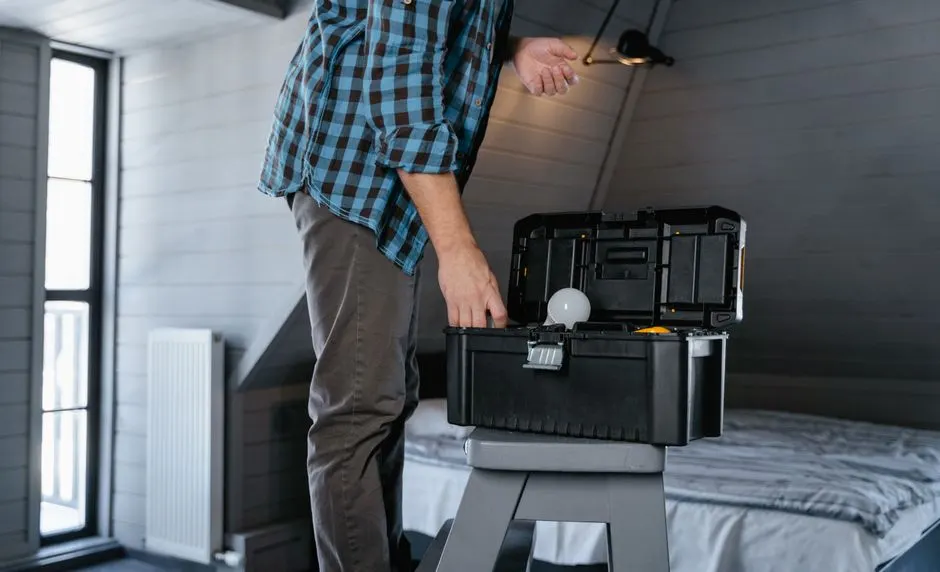
Person in plaid shirt fixing a light bulb using a toolbox in a rustic attic interior.
Licensed Licensed & Bonded
Fully Insured Insured & Bonded
24/7 Emergency Same-Day Response
Warranty Backed Workmanship Guaranteed in Henderson

What Attic Mold Inspection Includes

An attic inspection includes a visual review of accessible roof framing, sheathing, insulation, ventilation openings, and likely water-entry points, plus photographs and relevant moisture observations. We explain any limits created by unsafe access or concealed construction. Laboratory sampling is a separate choice when it answers a specific identification or airborne question; it is not required for every visit. The inspection focuses on evidence and source tracking, not mold removal or roof repair.

Roof-Space Visual Review

We inspect accessible rafters, trusses, sheathing, insulation, and roof penetrations for visible growth, staining, damaged materials, or signs of past water entry. Findings are recorded by location so you can show a roofer or remediation contractor exactly where the concern appears.

Moisture Readings

Where material and access allow, we take comparative readings with a pinless or pin-type moisture meter. Readings help assess whether selected materials are damp at the time of inspection, but they are interpreted alongside surface condition, nearby reference points, and recent weather or leak history.

Ventilation and Duct Check

We review accessible attic vents, visible airflow paths, and bathroom or kitchen exhaust duct routing. A fan duct that releases moist air into the attic can create condensation-related mold. We document the condition and identify when an HVAC or roofing contractor should correct it.

Photographs and Findings

Your inspection summary records key locations, visible conditions, moisture observations, and recommended priorities. Clear photographs help you compare the affected area after a repair or cleanup. We distinguish confirmed observations from possibilities that require a sample, added access, or another trade's evaluation.

Optional Targeted Sampling

When testing is appropriate, we collect samples from selected surfaces or air locations and explain the laboratory question before collection. Sample analysis is an add-on because many attic concerns can first be addressed through source identification and visual documentation. We do not use a test result as a substitute for repairing ongoing moisture.

Attic Mold Inspection Henderson NV: What We Check


Attic Mold Inspection Henderson NV is a residential mold inspection that evaluates visible growth, moisture conditions, and likely sources in an attic or roof space. We look at roof decking, rafters, trusses, insulation, vent openings, plumbing penetrations, and the underside of roof sheathing. A pinless moisture meter helps scan broad surfaces without damage; a pin-type moisture meter checks selected materials more precisely. We document visible conditions and take photographs so you can distinguish active moisture concerns from old staining, dust, or other surface changes.

Henderson homes face roof exposure, hot attic temperatures, occasional wind-driven rain, and moisture from bathroom exhaust or air leakage. A roof leak after a storm, a disconnected fan duct, or condensation on cool surfaces can leave water-damaged building materials even after the roof appears dry. Our Henderson attic mold inspection follows the moisture trail rather than treating every discoloration as mold. If you need an attic mold assessment after a roof leak in Henderson, we compare affected areas with nearby materials and identify what needs testing or repair.

What to Expect During Inspection

Attic Mold Inspection Henderson NV starts with your concern and ends with documented findings you can act on. We ask about leaks, odors, past repairs, and attic access, then inspect the relevant areas in a deliberate order. Most single-family attic visits take about 1.5 to 3 hours, depending on access, size, and the number of affected locations.

01

Schedule

Call or book online — a real human picks up and confirms a 2-hour arrival window.

02

Diagnose

Licensed tech inspects on-site, then walks you through the cause and your options.

03

Fix

The job is completed to code and done right the first time — no shortcuts, no surprises.

04

Guarantee

Every job backed by a written workmanship warranty — and we stand behind it.

Tools and Inspection Methods

Tools & Equipment

Pinless moisture meter

Screens broad, accessible material surfaces for comparative moisture conditions without puncturing them. We use readings with visual evidence and nearby reference points, not as a stand-alone mold diagnosis.

Pin-type moisture meter

Checks selected wood or other compatible materials at contact points when a more direct reading is useful. We explain where the pins were used and interpret the result in context.

Infrared thermal camera

Shows surface temperature patterns that can help locate areas for closer investigation. Thermal differences do not prove mold or moisture, so we verify suspicious patterns with direct inspection or moisture measurement.

Borescope

Views a limited concealed cavity through an existing opening when access and conditions permit. It helps investigate a suspected hidden area without immediately opening a larger section of ceiling or roof assembly.

Air sampling pump and spore trap cassette

Collects a measured air sample when airborne comparison addresses the inspection question. We label location and context so laboratory findings can be considered alongside attic observations.

Methods & Standards

Moisture-source tracing

We start at the visible stain, odor area, or damp insulation and follow likely paths toward roof penetrations, plumbing lines, exhaust ducts, and ventilation openings. Readings are compared across affected and reference points. This method helps distinguish a local leak from a broader condensation pattern and puts source correction ahead of surface cleanup.

Visual inspection with documentation

We inspect accessible materials under safe conditions and record location, appearance, and relevant context with photographs. The notes distinguish visible growth from staining or residue that cannot be identified by sight alone. When the attic is obstructed or unsafe, we state which areas were not examined rather than implying full coverage.

Targeted surface sampling

When laboratory identification could change the next step, we collect from a clearly defined surface using an appropriate sampling medium. A sterile swab or tape-lift slide is selected for the material and access. We label the sample location and interpret the report alongside moisture evidence, because identification does not locate or repair the water source.

Air sampling comparison

Air sampling is used selectively when the question concerns airborne particles in an attic or occupied area. We use an air sampling pump and appropriate cassette, record sample locations, and avoid treating a single result as a complete building diagnosis. Findings are considered with the inspection, the conditions during collection, and any relevant reference sample.

When to Schedule an Attic Check

01

A Henderson roof leak left a ceiling mark after wind-driven rain, but the attic has not been checked.

What we do: We inspect the roof-side of the affected area, trace staining toward penetrations or flashing, and check accessible materials for moisture. If you have photos from before the repair, we compare them with current conditions. Targeted sampling is discussed only if it can resolve a specific uncertainty.

→ You get a documented view of the attic condition and a prioritized next step for roof repair, drying, or further evaluation.

02

A home inspector or roofer found dark sheathing near a vent in Green Valley.

What we do: We examine the sheathing, nearby insulation, and vent route, then compare the suspect patch with surrounding surfaces. If the mark is dry and appearance alone cannot establish what it is, we explain a suitable sample option and document its exact location.

→ You can make repair or transaction decisions using a focused record instead of relying on color or odor alone.

03

A homeowner notices a musty smell after running the bathroom fan in Seven Hills.

What we do: We follow the accessible exhaust duct, check whether it terminates outside, and inspect nearby roof materials for condensation or staining. A roof-space mold check near Seven Hills Henderson can pinpoint whether the concern follows the duct or a separate roof leak.

→ You learn which source needs correction and what attic materials should be checked again after repairs.

04

Remediation has finished, but you want the attic condition reviewed before replacing insulation.

What we do: We inspect the treated area, check whether the original moisture source has been addressed, and review visible material condition. If your remediation plan calls for verification sampling, we collect from appropriate locations and explain how results fit the completion criteria.

→ You have a documented follow-up record before closing the attic or installing replacement insulation.

How Attic Inspection Works in Henderson

Attic Mold Inspection Henderson NV takes account of long hot periods, roof exposure, and sharp temperature changes between outdoor air and conditioned rooms. Those conditions do not create mold by themselves; moisture from a roof leak, plumbing line, or exhaust duct is the key ingredient. We look for the path that brought water into the assembly and whether the materials are still damp. In newer and established Henderson homes alike, attic access, roof design, insulation depth, and vent placement can change what is visible during a visit. If you need an attic mold inspection in Henderson, Nevada, after a storm or repair, tell us when the event occurred and what has already been fixed. We serve Clark County, including 89005, 89002, and 89044, and document access limits where stored items or low clearance prevent a complete view. We do not declare a local code violation from a mold inspection; construction or ventilation compliance questions belong with the relevant licensed trade or building authority.

Neighborhoods We Serve

  • Green Valley

    Homes with roof penetrations, bathroom exhaust ducts, and prior leak repairs benefit from checking both the stain and the route that brought moisture into the attic.

  • Seven Hills

    Roof slopes and attic access vary from home to home, so we document which sheathing and insulation areas were reachable and where a concern extends beyond the visible patch.

  • Anthem

    After wind-driven rain, we focus on roof openings and the underside of nearby sheathing, then compare current moisture conditions with surrounding materials.

  • Inspirada

    A musty attic after a bathroom renovation can point to a fan duct or plumbing penetration; we inspect those routes alongside visible roof conditions.

Local Conditions We Plan For

  • Hot summer attic temperatures and large daily temperature swings

    Heat affects safe access and can change surface conditions during the visit. We document the inspection context, avoid treating thermal patterns as proof of mold, and use direct moisture checks where materials and access permit.

  • Wind-driven rain entering around roof penetrations

    Water may travel along framing before appearing as a ceiling mark, so the visible stain is not always directly below the entry point. We follow the roof-side evidence and record likely paths for a roofer to assess.

  • Bathroom fan ducts terminating inside the roof space

    Moist exhaust can contribute to condensation on sheathing and damp insulation. We inspect accessible duct routes, document affected materials, and recommend that the appropriate HVAC contractor correct the discharge before cleanup or replacement work.

After a Roof Leak

Before

A homeowner noticed a brown ceiling ring after a roof repair and assumed the attic had dried. The stain remained, insulation nearby looked matted, and no one had checked the roof deck from above. Without moisture comparisons, it was unclear whether the mark was old or whether the repair had missed a second entry point.

After

The inspection documented the stain location, checked three nearby sheathing areas, and found one damp reading beside a roof penetration. The photos and location notes gave the roofer a focused repair target. After source correction and drying, a follow-up check recorded dry readings at the previously affected points.

Maintenance: After heavy rain, check ceilings and accessible attic areas for new staining or musty odor. Keep the repair invoice and inspection photographs together so any recurring mark can be compared with the original location.

Before

A musty odor appeared after the bathroom fan ran, and dark discoloration was visible near the duct. The duct ended in the attic rather than outdoors. Insulation below the termination was compressed, but the homeowner could not tell whether the odor came from the roof or the exhaust route.

After

The inspection traced the duct, photographed its termination, and checked nearby insulation and sheathing. A contractor redirected the exhaust outside. A later visual review found no new damp material in the checked area, and the homeowner had a documented location for future comparison.

Maintenance: Run the fan during showers and long enough afterward to clear humid air, but confirm the duct discharges outdoors. Check the attic after the correction for new condensation, damp insulation, or renewed odor.

Before

Following attic cleanup, the owner planned to replace insulation but still had questions about a treated section of roof sheathing. The original leak had been repaired, yet no record showed which materials were checked or whether the moisture source was resolved.

After

The follow-up documented the treated area, visible material condition, and moisture readings at four locations. Where the remediation plan called for laboratory confirmation, targeted samples were collected and linked to their locations. The homeowner could proceed with the next repair step using a clear record.

Maintenance: Keep the leak repair documentation, cleanup photographs, and any lab report together. Before closing the attic, confirm the roof entry point and any exhaust duct concern remain corrected, and inspect again if staining or odor returns.

Solve Attic Moisture and Mold Concerns

An unexplained attic odor or roof stain can leave you unsure whether the roof is still leaking, insulation needs attention, or mold is present. We investigate the visible evidence and moisture pattern, then identify what is confirmed and what requires testing. That is especially useful when an attic mold assessment after a roof leak in Henderson must guide repair work.

Problem

A dark roof-deck stain remains after a repaired leak.

The mark may be dry history or evidence of continuing moisture; guessing can leave damaged materials in place or trigger unnecessary removal.

Our Fix

We compare the stained sheathing with nearby surfaces, check for current moisture where accessible, and inspect the roof entry path. Photographs and readings help your roofer verify the repair area. If appearance remains inconclusive, we explain whether a targeted sample can answer the identification question.

Problem

Bathroom exhaust air is escaping into attic insulation.

Warm, moist air can condense on cooler roof materials, wet insulation, and support growth even when the roof itself has no leak.

Our Fix

We follow the visible duct route, check nearby sheathing and insulation, and record the condition of accessible ventilation openings. You receive a clear note for an HVAC contractor to correct the exhaust route, along with the locations that should be rechecked after the change.

Problem

A musty smell comes from the attic but no growth is visible.

Odor can come from concealed wet materials or hidden mold growth, and ignoring the source can allow damage to persist behind insulation or a roof cavity.

Our Fix

We inspect likely moisture paths and accessible concealed areas, using a borescope through an existing opening when appropriate. If the visual review cannot settle the question, we discuss focused surface or air sampling. The report identifies what was seen and which areas could not be accessed.

Problem

Insulation looks matted or discolored after a storm.

Wet or compressed insulation may lose performance and conceal moisture on framing, while delayed drying can increase material damage and odor.

Our Fix

We document the affected insulation, check adjacent framing and sheathing for moisture, and trace the likely entry point. You can use the findings to prioritize roof repair and material removal. Follow-up inspection can verify that the area is dry after the source has been corrected.

Clear Findings, Practical Next Steps

Clear Findings, Practical Next Steps

Attic findings are useful only when they tell you what to do next. We connect visible conditions to moisture sources, separate confirmed observations from unanswered questions, and give you a practical record to share with a roofer, HVAC contractor, or remediation company. You leave knowing where the concern is and what evidence supports the recommendation.

  • Locate Moisture Sources

    We trace staining and damp materials toward roof penetrations, flashing, plumbing lines, exhaust ducts, or ventilation paths instead of guessing from a ceiling mark. Moisture readings at several points help show whether a single patch is affected or a wider area needs attention. You get a clearer repair target before walls or insulation are disturbed.

  • Check Hidden Areas

    A borescope lets us view selected concealed cavities through an existing opening when access and conditions allow. We use it to investigate suspicious framing or insulation without turning a limited attic concern into unnecessary demolition. If the view is inconclusive, we explain whether a small sample or follow-up access would answer the question.

  • Choose Testing Precisely

    Not every attic inspection needs laboratory testing. When sampling adds useful evidence, we select a method based on the material and question, such as a sterile swab for a defined surface or a spore trap cassette for airborne particles. This targeted approach helps avoid paying for samples that would not change the next step.

  • Plan Repairs With Evidence

    Your report records affected locations, moisture observations, photographs, and recommended priorities. That gives a roofer or remediation contractor specific areas to address and helps you compare the post-repair condition. Henderson attic mold assessment Henderson NV is most useful when the findings connect the visible condition to a practical verification plan.

Inspection Standards and Proof

Licensed & Certified

  • IICRC Applied Microbial Remediation Technician — issued by Institute of Inspection, Cleaning and Restoration Certification
  • ACAC Council-certified Microbial Investigator — issued by American Council for Accredited Certification
  • EPA Mold Course Certificate — issued by U.S. Environmental Protection Agency
  • OSHA Hazard Communication Standard training — issued by Occupational Safety and Health Administration

Verified Reviews

Customer feedback Not stated

After a roof leak in Green Valley, the inspector checked the attic instead of guessing from the ceiling stain. We received photos, moisture observations, and a clear explanation of which area needed the roofer's attention. The visit helped us separate a repair issue from the question of whether testing was needed.

Customer feedback Not stated

Our Seven Hills attic had a musty smell and an odd patch near a fan duct. The inspection found the duct ending in the attic and documented the surrounding materials. We appreciated the straightforward explanation of what was visible, what was uncertain, and what to correct first.

Customer feedback Not stated

We wanted the attic checked after cleanup before putting insulation back. Henderson Mold Testing documented the treated area and moisture readings, then explained the optional sampling plan in plain language. The report gave us a useful record for the next contractor and helped us make the decision without guesswork.

Attic Inspection Expertise

Henderson Mold Testing focuses on inspection evidence, moisture behavior, and clear communication rather than promising a diagnosis from a photograph. Our local experience includes attic concerns connected to roof leak moisture intrusion, condensation-related mold, ventilation issues, and post-remediation questions. We use recognized inspection practices and select sampling based on the question at hand. Our team does not claim a credential unless held by the inspecting professional; we explain the relevant training and method used for your visit, then distinguish direct observations from laboratory findings.

  • Inspection notes distinguish visible growth, water staining, dust, and other conditions that can lead to inaccurate or unconfirmed mold identification.
  • Moisture mapping compares affected materials with nearby reference readings instead of treating a single meter result as a complete diagnosis.
  • Sampling choices account for surface type, access, and the specific question you need answered before repairs or remediation.
  • We document roof penetrations, exhaust duct routes, insulation conditions, and ventilation openings as part of an attic-focused review.
  • Our recommendations identify when a roofer, HVAC contractor, or qualified remediation contractor should address the source or affected material.
Get Started Today
Attic Inspection Expertise

Attic Mold Inspection Questions

Real answers to the questions we hear most often from local homeowners and property managers.

What causes mold in attics in Henderson?
Roof leaks, bathroom exhaust discharged into the attic, plumbing leaks, and condensation are common moisture sources in Henderson attics. Dry outdoor weather does not prevent mold if water becomes trapped around sheathing or insulation. We inspect venting, roof penetrations, and moisture patterns to identify the likely source. A pin-type meter can check selected materials, while photographs document the affected area and help guide repairs.
How much does attic mold inspection cost in Henderson, Nevada?
A residential attic inspection commonly costs about $250 to $650 in 2026, with laboratory sampling adding roughly $75 to $250 per sample. Price depends on attic size, access, the number of affected areas, and whether testing is useful. Our attic mold assessment in Henderson starts with the inspection question, so you are not paying for samples that do not clarify the next step.
Does attic mold inspection include checking roof ventilation?
Yes, an attic inspection includes a visual review of accessible intake and exhaust openings, duct routing, and signs of restricted airflow. We also look for bathroom fan ducts ending in the attic, blocked vents, or condensation patterns on roof sheathing. The inspection is not a full roofing or HVAC repair, but we document concerns clearly so the appropriate trade can correct the source.
When should I have my Henderson attic checked for mold?
Arrange an inspection within days of discovering a roof leak, persistent musty odor, visible attic growth, or damp insulation; after a storm, do not wait for a ceiling stain to spread. You should also check after a repair if moisture or odor returns. An attic mold assessment after a roof leak in Henderson helps locate residual wet materials and determine whether targeted sampling is warranted.

Related Inspection Services

Mold Inspection

A whole-home mold inspection adds context when attic findings coincide with ceiling staining, odor, or visible conditions elsewhere. We compare rooms and building materials with the attic moisture pattern, then document where further evaluation is warranted. This helps Henderson homeowners avoid treating an attic issue as an isolated spot when evidence points beyond it.

View Mold Inspection

Mold Testing

Mold testing supports an attic inspection when visual evidence cannot answer a specific question. We select surface or air sampling according to the concern, label each sample, and explain the limits of laboratory results. Testing does not replace locating the moisture source, but it can clarify whether suspect material contains mold structures.

View Mold Testing

Indoor Air Quality Testing

If attic concerns coincide with indoor odors or respiratory irritation, indoor air quality testing can assess conditions in occupied rooms. We discuss sampling locations and compare results with the inspection context. The goal is to determine whether an airborne concern merits further investigation, not to infer the attic condition from a single room sample.

View Indoor Air Quality Testing

Mold Assessment and Sampling

Mold assessment and sampling pairs a visual review with carefully selected samples when evidence needs confirmation. In an attic, we first identify the material and moisture pattern, then choose a collection method suited to the question. Henderson customers receive location-specific notes rather than a result detached from the building conditions.

View Mold Assessment and Sampling

Airborne Mold Spore Testing

Airborne mold spore testing can help evaluate whether particles are elevated in an attic or nearby living space. An air sampling pump draws a measured volume through a spore trap cassette for laboratory review. We use results alongside the visual inspection because air samples vary with location, activity, and conditions at the time of collection.

View Airborne Mold Spore Testing

Surface Mold Testing

Surface mold testing evaluates a defined patch on sheathing, framing, or another material when appearance alone is inconclusive. A sterile swab or tape-lift sample is collected from the selected area and sent for analysis. This can support identification, but it does not measure the full extent of hidden growth or locate a leak.

View Surface Mold Testing

Book Attic Mold Inspection Henderson NV

A roof leak, musty attic, or damp insulation deserves a direct check before repairs conceal the evidence. Call Henderson Mold Testing at +18668968166 to arrange an inspection and get clear findings for your next step. We explain upfront pricing before the visit.

Call Today Book Inspection

Contact Henderson Mold Testing

Call +1 866-896-8166 to talk through a leak, odor, visible growth, or property inspection concern in Henderson, NV. Our phone line is open Monday through Friday, 8:00 a.m. to 6:00 p.m.; we respond to messages during business hours and help plan the right inspection. We serve Clark County neighborhoods and nearby Henderson ZIP codes.

Or call us right now at +18668968166 — we answer.

Henderson Mold Testing


  • Phone

    +18668968166
  • Address

    Henderson, Nevada

  • Hours

    Mon–Fri: 7AM – 7PM
    Sat: 8AM – 4PM
    Sun: Emergency Only
    24/7 Emergency Available

Call +18668968166 Get Quote
Call Quote